
Abstract
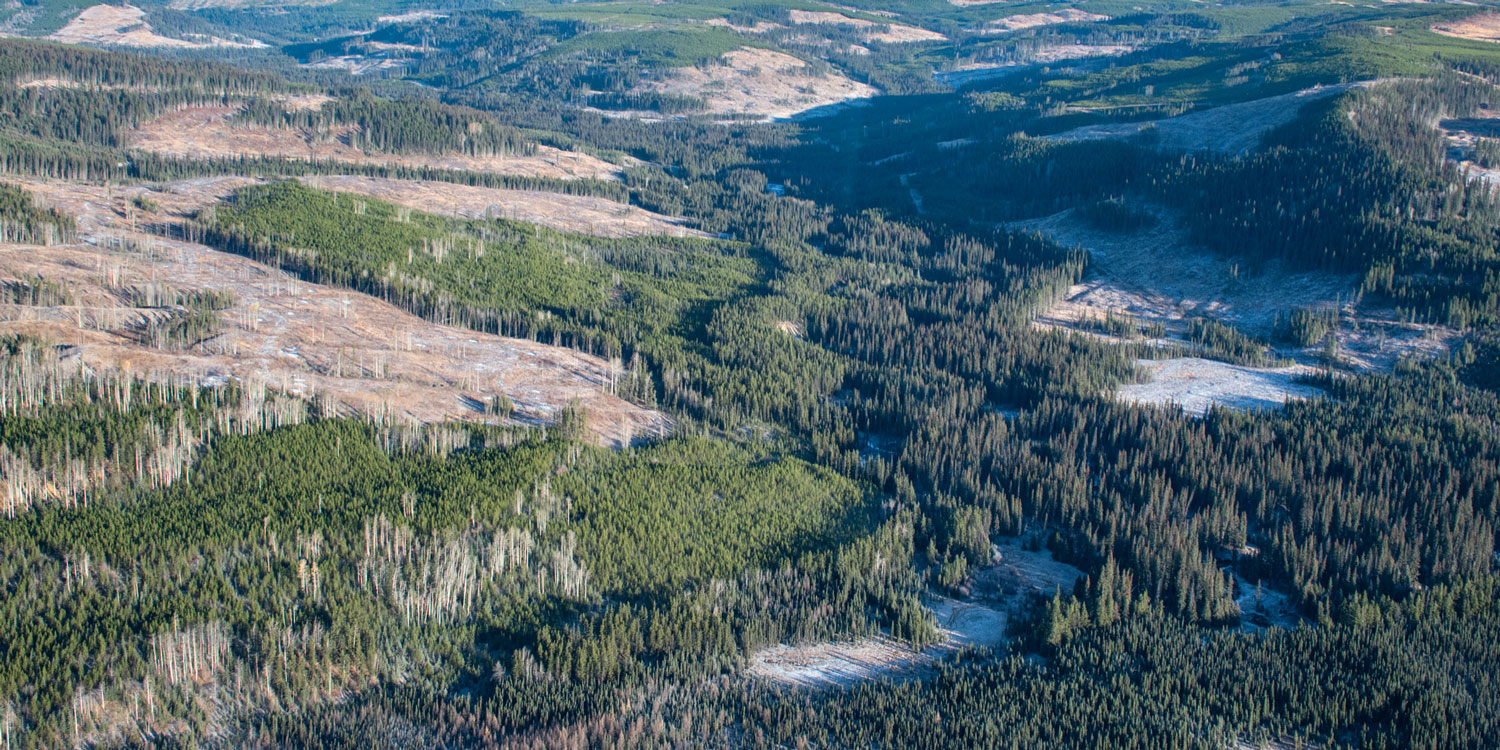
Human activities increasingly affect cold-water specialists in mountain ecosystems, both through direct alteration of freshwater habitat and through indirect effects mediated by terrestrial ecosystem change. Using presence/absence data for three native and three non-native trout species in the Alberta Rocky Mountains, Canada, we model the change in occupancy probability across 20 years (2001–2020) in 74 watersheds and relate occupancy with habitat variables (i.e., elevation, tree coverage and density of linear features). Native bull trout showed significant declines in watershed occupancy (−0.16% year−1) while non-native trout showed stability. Native trout favoured areas of higher elevation and greater tree coverage in direct contrast to non-native trout. Bull trout were significantly negatively impacted by density of linear features. Our analysis suggests that regulation of anthropogenic activities and restoration of the terrestrial environment is required to conserve native trout in sensitive mountain environments.
Citation
Angus J. Lothian, Benjamin C. Kissinger, Andrew J. Paul, Donovan A. Bell, and John R. Post. 2026. Differential impacts of human land use on native and non-native fish in mountain watersheds. Canadian Journal of Fisheries and Aquatic Sciences. 83: 1-14. https://doi.org/10.1139/cjfas-2025-0202