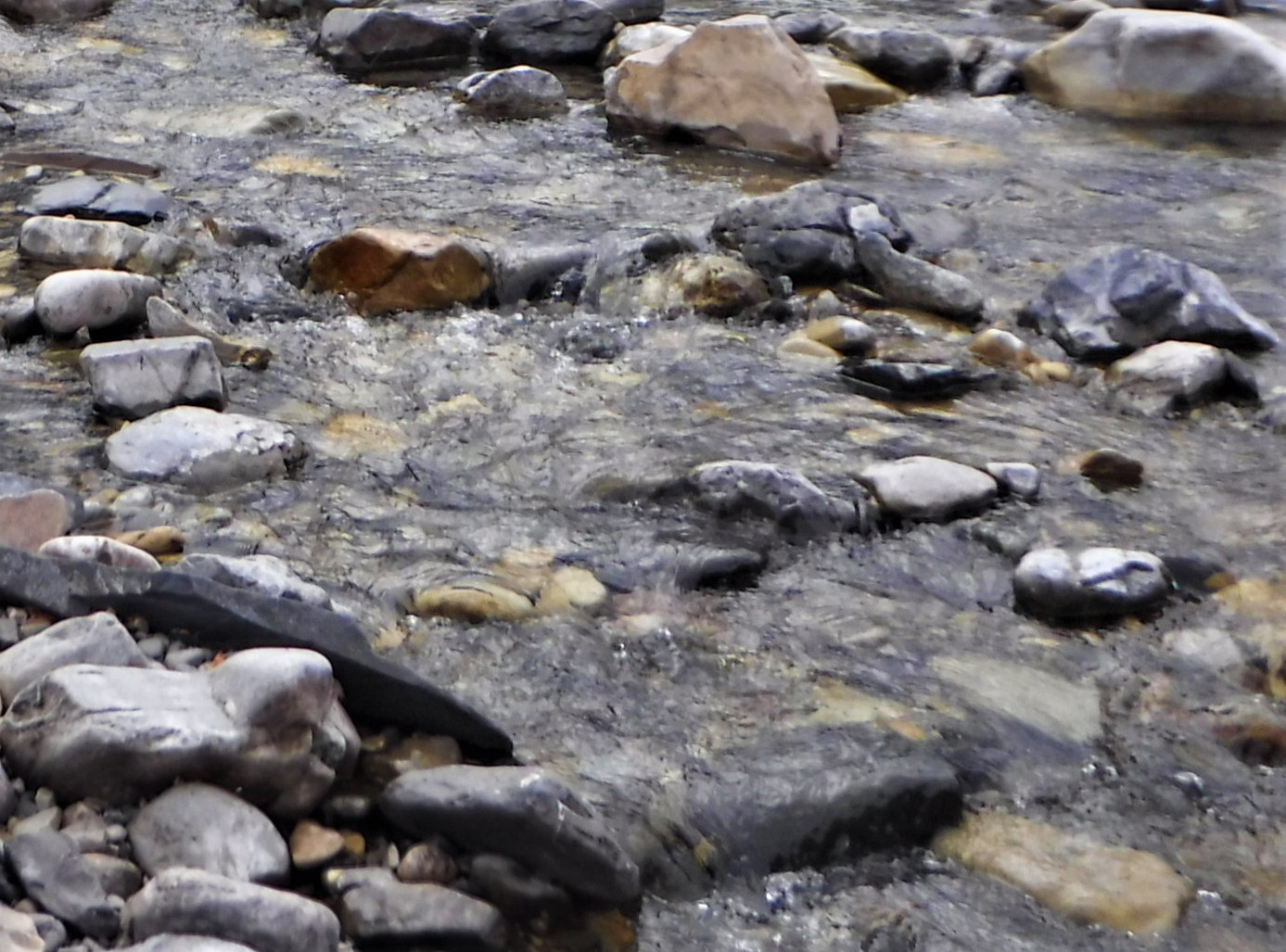
Assessing bull trout movement ecology using acoustic telemetry and standardized watershed assessments to identify biologically important habitat for spawning, rearing and overwintering
Using bull trout location and movement data to identify spawning locations and timing.
This project will identify bull trout spawning and rearing habitat, their connectivity, and the species’ reproductive and movement behavior in Alberta’s eastern slopes. Our goal is to provide better information on bull trout ecology and habitat for provincial and federal status assessment, delineation of critical habitat, and recovery initiatives.
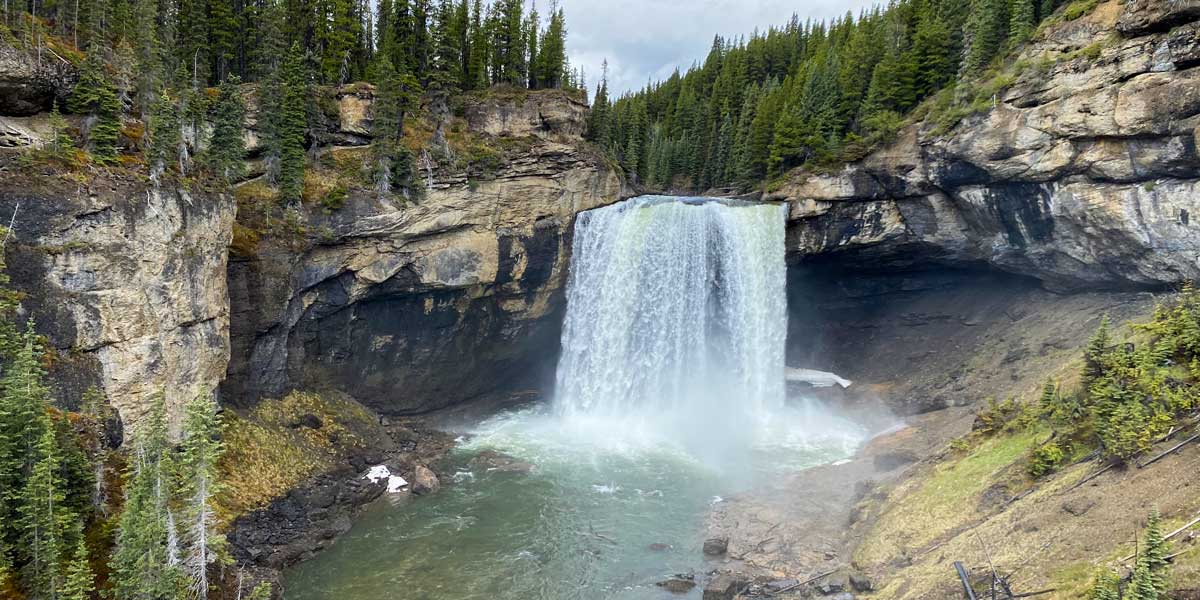
We will be using novel acoustic telemetry techniques to track the movement timings of adult bull trout. These techniques will allow us to monitor real-time movements throughout the watershed. In addition, the telemetry data will let us to assess the effects of natural waterfalls and stream crossings like culverts, to estimate the connectivity of habitats in the Highwood River watershed. These data will also provide a detailed example of adult bull trout seasonal movement ecology, which can aid in updating the timing of regulations and policies surrounding important ecological events, particularly spawning.
We will also pull together all existing data on juvenile locations from electrofishing surveys, and spawning locations from redd data, as well as conduct surveys to fill in data gaps in summer 2026. We will then correlate these data with environmental variables such as river temperature, river discharge, and riparian habitat characteristics. Using machine learning techniques on these correlations, we will locate areas of similar environmental conditions in the wider Highwood River watershed that could support juvenile and/or redds. We will visit these sites in 2027 to validate the machine learning model.
We selected the Highwood River watershed as our focal system because it has no large dams, allowing bull trout to complete resident or fluvial (i.e. migrations from tributaries to mainstems) life histories. These two life histories would have been common in nearly all watersheds throughout North America prior to the creation of dams and weirs in much of their southern distribution.
Although the primary focus of this proposal is bull trout, we will develop an assessment template that can also be applied to other stream spawning fish in Alberta.
This is a collaborative project supported by Alberta’s Office of the Chief Scientist, Natural Sciences Engineering Research Council of Canada, Forest Resource Improvement Association of Alberta, Alberta Conservation Association, Ocean Tracking Network, Alberta Environment and Parks, University of Calgary, and Fisheries and Oceans Canada.
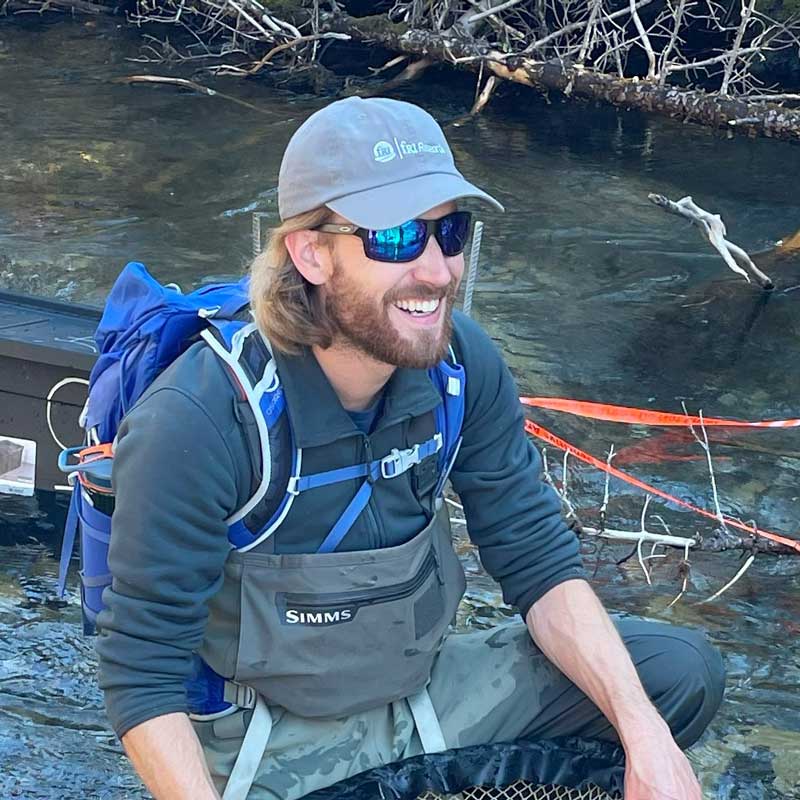
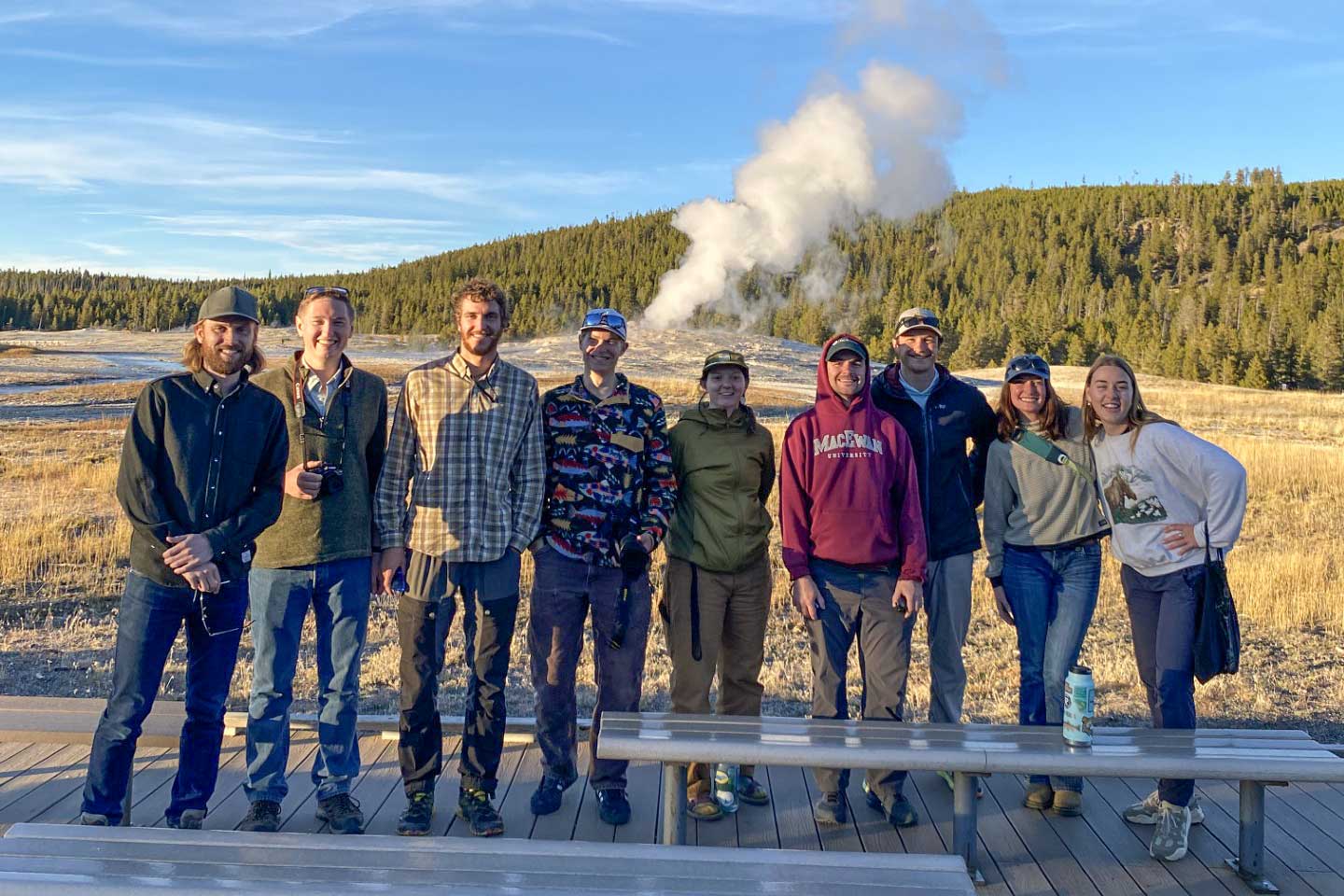
Team members begin installing devices in the watershed to track the movements of bull trout
A