
Marten Habitat Use in a Managed Forest
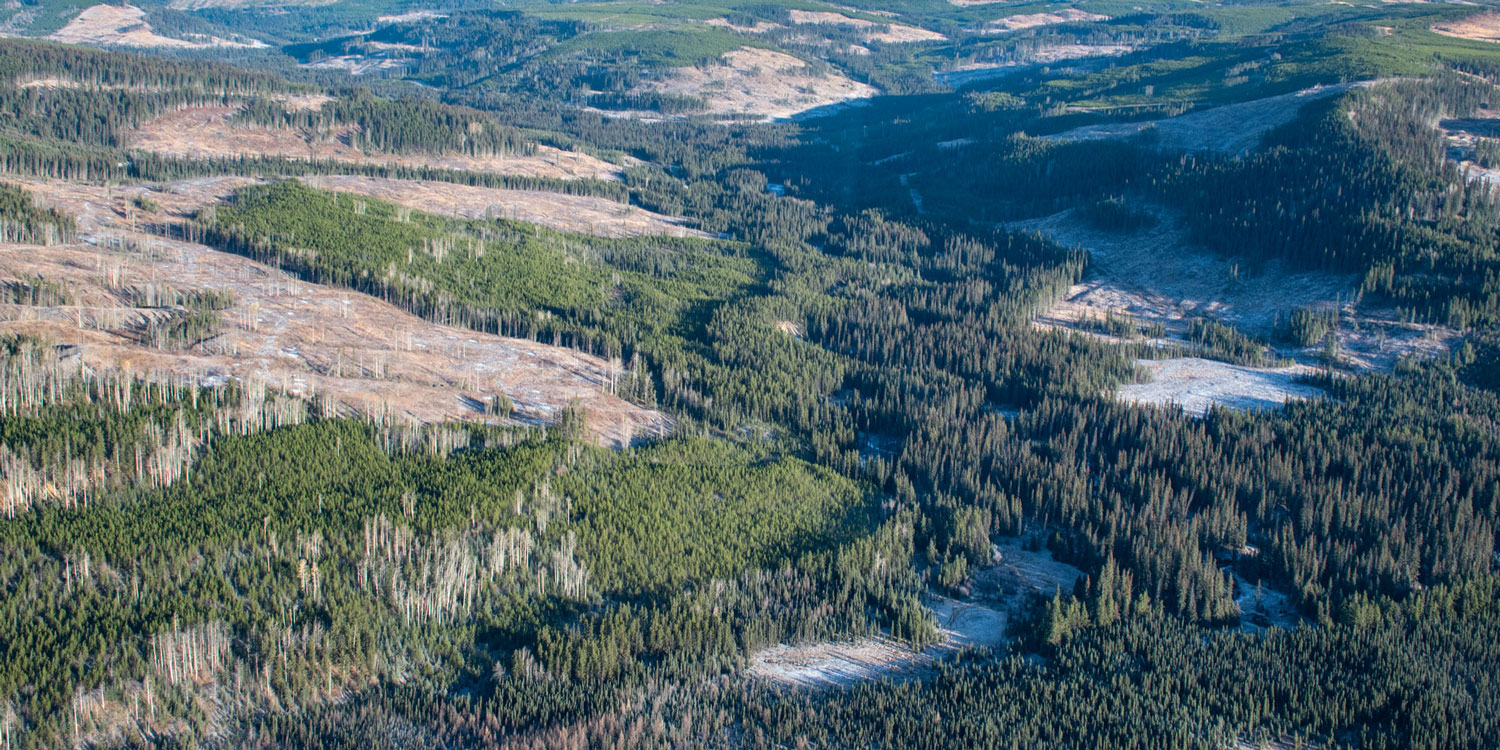
Phase one of this 3-year project supplied local trappers with trail cameras and a scientific protocol to allow them to collect and manage data on marten using their trap lines in the Vanderwell Contractors Forest Management Area, near Lesser Slave Lake. Environmental Research Program Lead Gord Stenhouse serves as scientific advisor.
The overall goal of both the local trappers and Vanderwell Contractors is to gain a better understanding of how resident marten populations are using habitats in a managed forest. The primary objectives of the project are to:
- Understand what habitats marten are using in the non-trapping season.
- Determine marten habitat use in relation to broad age classes of forested stands.
- Evaluate how adjacent forest states within marten home ranges may influence marten occupancy
- Provide new knowledge (and data) to forest planning to ensure regional marten population habitat needs are met in future forest conditions in these areas.
This work was completed in March 2026, and included the findings that marten in that area use deciduous and young forests more than previously believed. A 2-year extension began late that year with the goal of understanding marten habitat use in more detail. Specifically, the main objectives of the project are to:
- Understand how marten are using the 11–30-year-old deciduous forest age class in more detail on an annual basis.
- Within this age class determine if the broader landscape conditions (forest age class and types) plays a role in the occupancy of younger forest classes.
- Evaluate body condition metrics of trapped marten (during trapping season) to compare to previous years data and forest habitat classes.
Proposal accepted for funding; 90 trail cameras obtained.
Project team meets in Slave Lake, cameras set up in 5 RFMAs.
Data collected and managed during the trapping season; regular meetings held.
Data collected and managed during the trapping season; regular meetings held.
All cameras decommissioned, data collected, and report in progress.
Report delivered to partners.
Preparations underway for next field season.