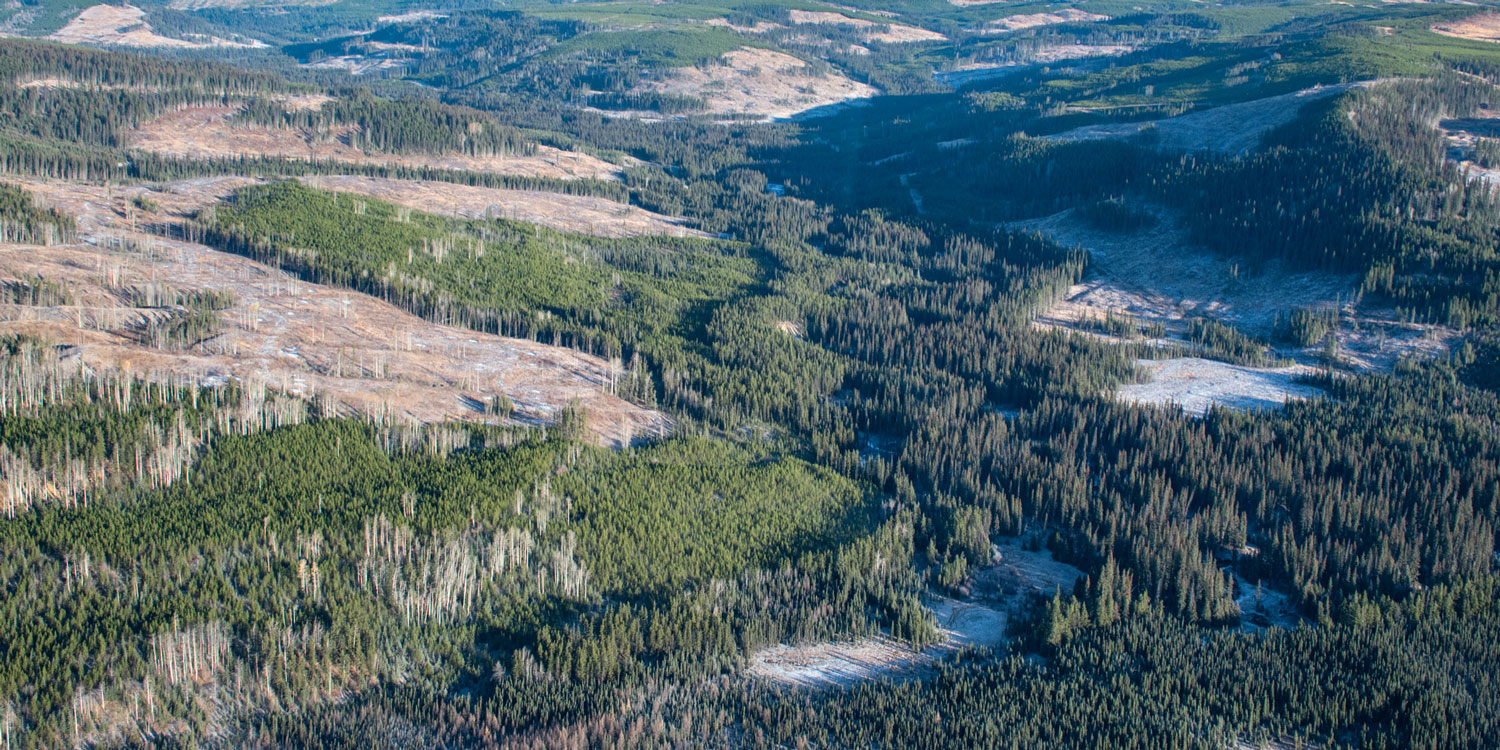
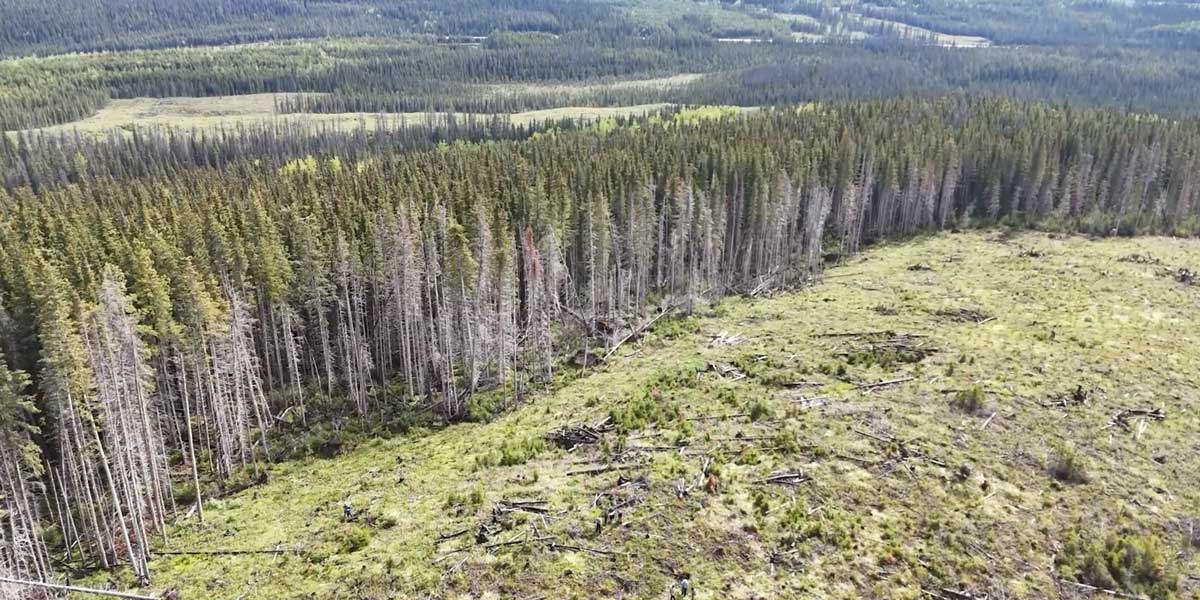
aerial footage of a harvest block at the edge of intact forest. other disturbance features in the background

The Grizzly Bear Habitat Project

How do climate and forestry practices influence grizzly bear habitat?

24 years after Dr. Scott Nielsen found that grizzly bears were using harvested areas, as part of his graduate work with the Grizzly Bear Program, we’ve re-united to try to quantify and explain the climatic and energetic effects behind grizzly bear foods in Alberta. In 2024 and 2025, the crews measured vegetation at over 200 plots at harvest block edges, and deployed about as many climate sensors to see how different forestry practices affect grizzly bear habitat quality.

Fall 2023
Project Begins

Planning underway to design a protocol and select field sites.

Summer 2024
First Field Season

Crews take vegetation measurements and set climate data loggers to measure differences in harvested areas, forest edges, and interior forests.

Summer 2025
Second Field Season

Final year of data collection underway.
Winter 2026
Analysis Underway
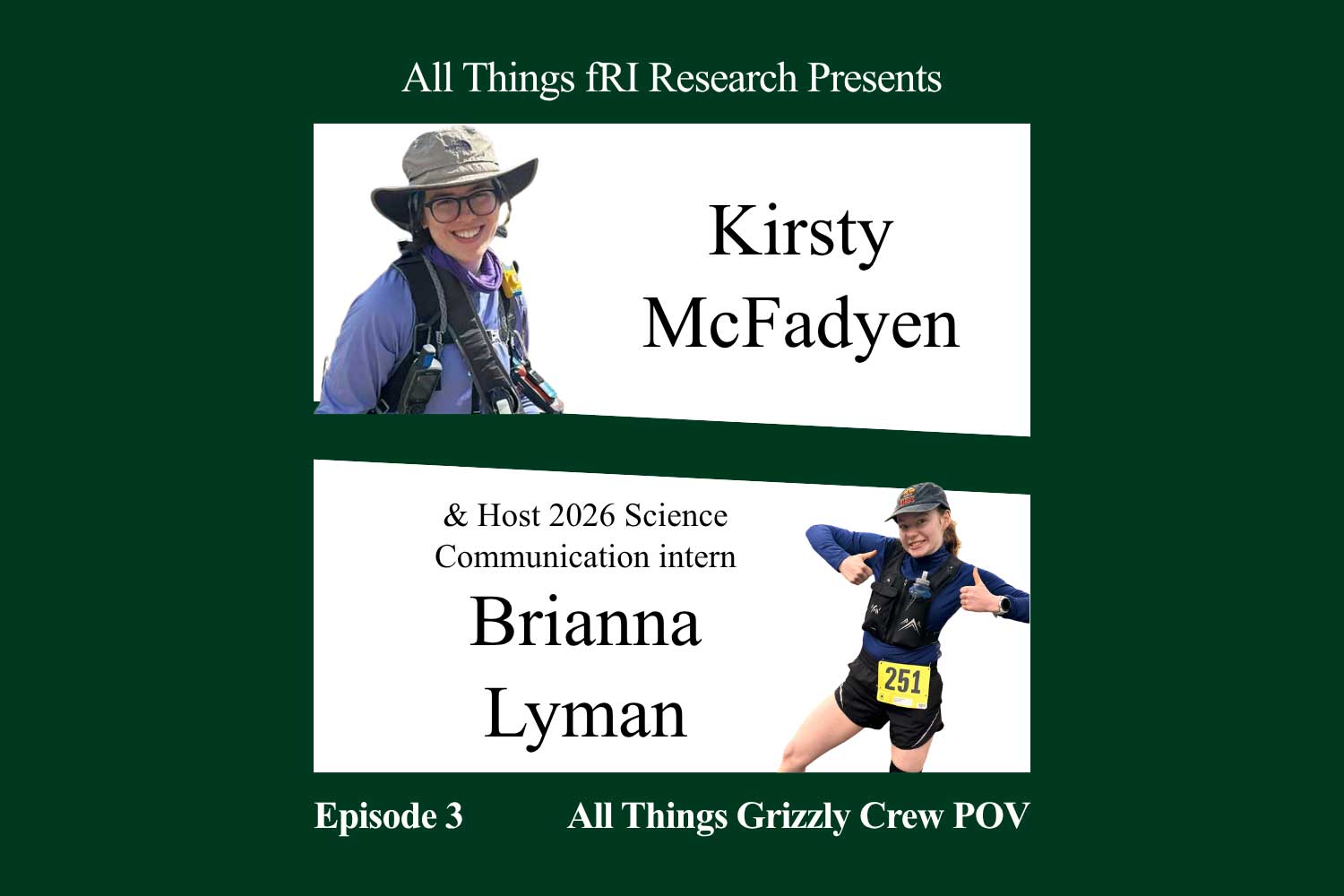
all things fri research presents kirsty mcfadyen & host 2026 science communication intern brianna lyman episode 3 all things grizzly bear crew
Podcasts and Radio | Audio-Visual
Radio-style episode in which Kirsty McFayden shares her experiences as a Grizzly Bear Biologist on a close-knit crew. Her wild and descriptive stories about fieldwork and trail cameras show how rewarding fieldwork can be.
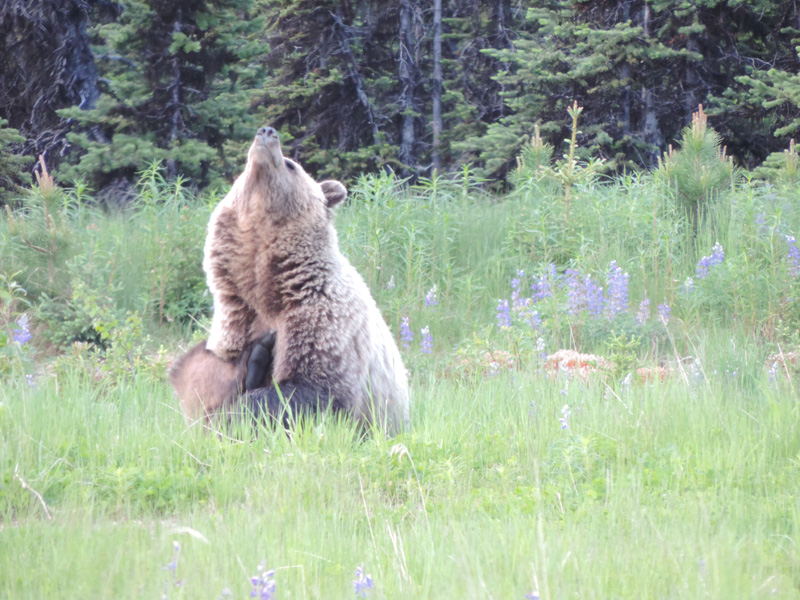
grizzly bear
Videos | Audio-Visual
Dr. Scott Nielsen from the University of Alberta looks back 23 years and explains his collaboration with the Grizzly Bear Monitoring Project.
dr scott nielsen
Scott Nielsen
Associate Professor, Alberta Biodiversity Conservation Chair
Dr. Dario Fernandez-Bellon
Dr. Darío Fernández-Bellon
Program Lead
cam mcclelland (top)
Cameron McClelland
Senior Biologist
Kirsty McFadyen
Biologist