Water Temperature Monitoring in the Eastern Slopes to Aid in the Recovery of Native Trout Populations
Part of the Alberta Native Trout Collaborative
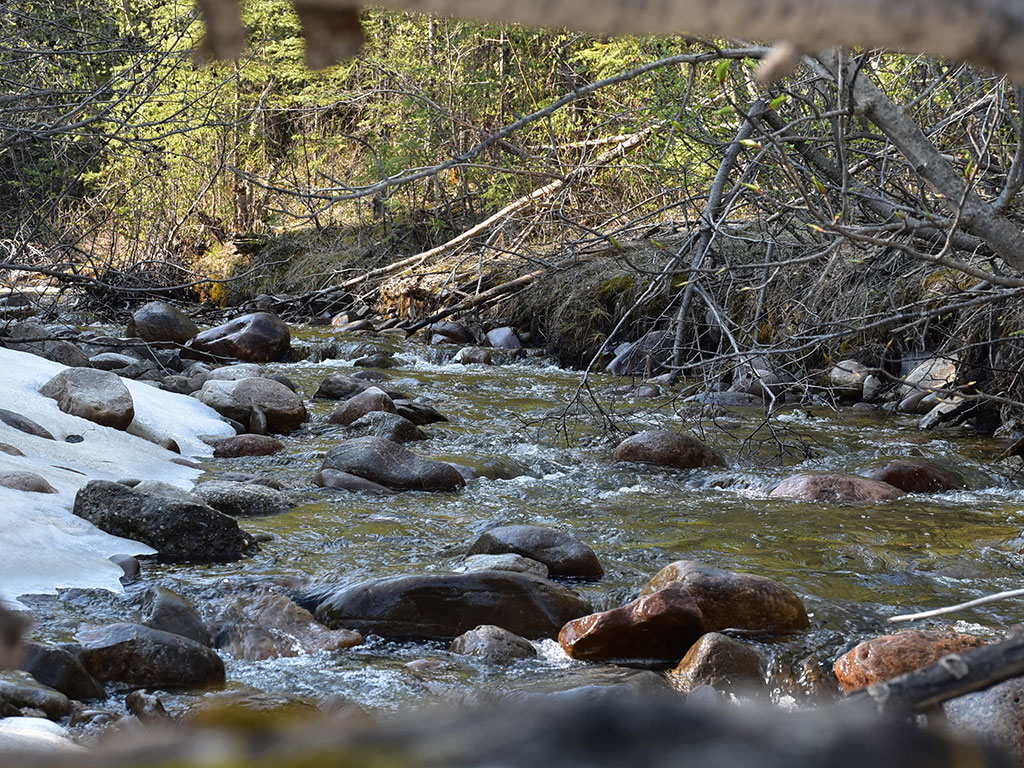
Because bull trout, Arctic grayling, westslope cutthroat trout, and Athabasca rainbow trout require cold, clean water, their habitat is at risk to landscape and climate change. Unfortunately, the data available for stream temperature modelling did not allow for great precision in many areas. More data will help identify thermally suitable habitat for these species, and forecast which watersheds will be most vulnerable in the future.
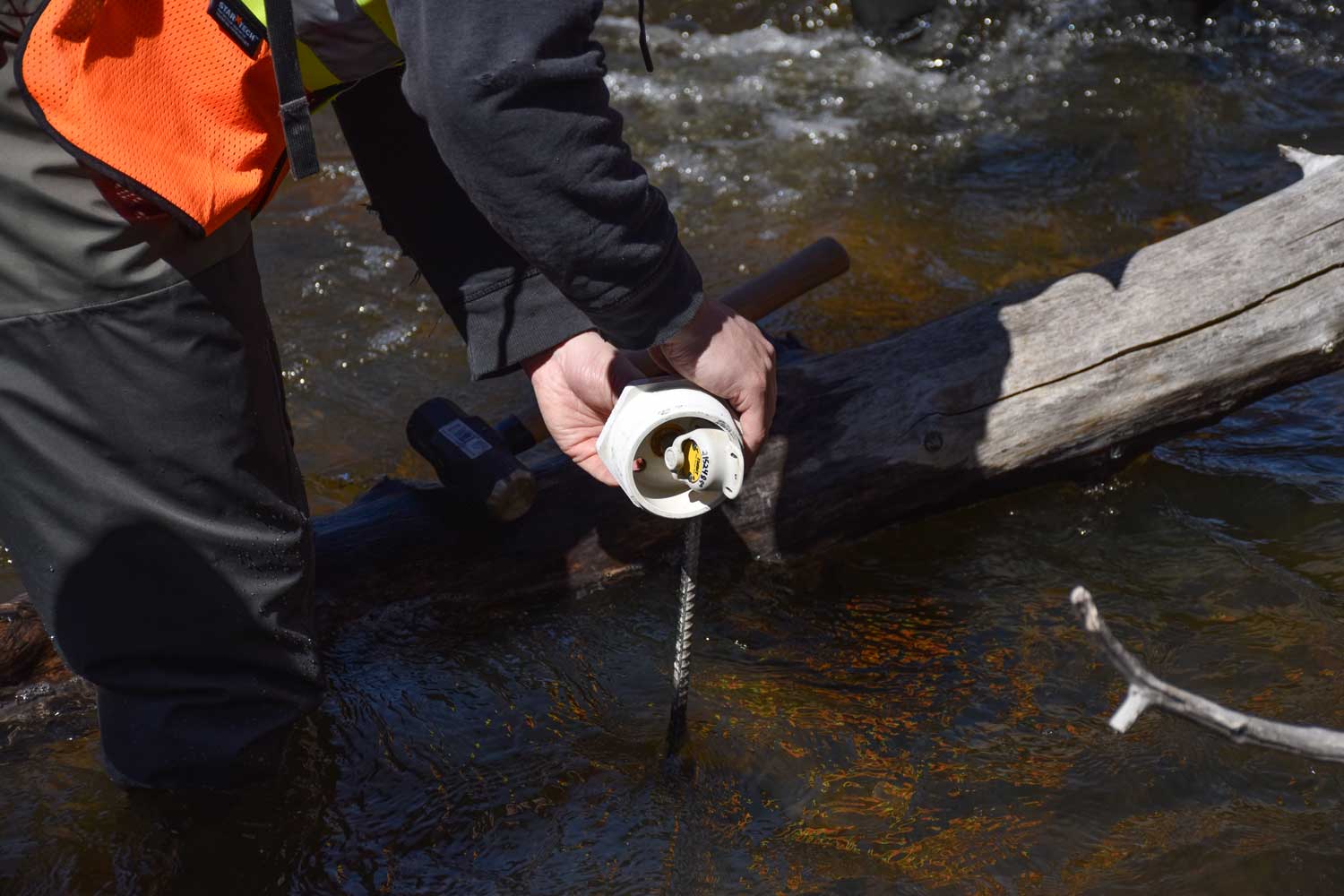
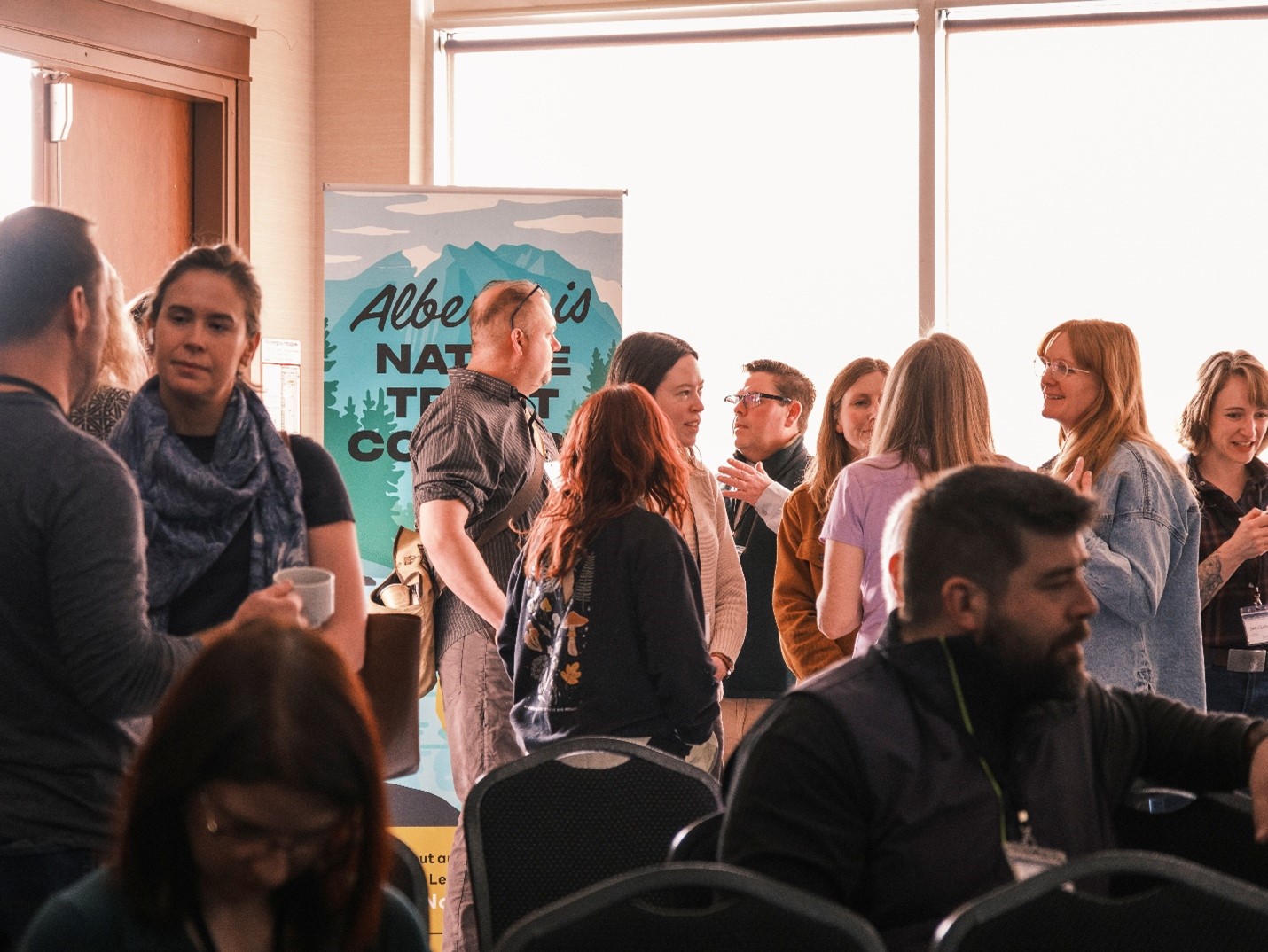
We worked with MacHydro to identify areas that most need additional stream temperature monitoring. Since early 2023, we have been iteratively identifying data gaps, deploying temperature loggers in priority streams, quality controlling every data point, and rerunning the MacHydro models to target the next deployment of loggers. In the past 3 years, we and 15 collaborators have collated various historical data sets and collected new data from about 3,000 unique locations.
The team has now created a stream temperature monitoring network capable, for the first time, of modelling surface water temperature in Alberta’s entire eastern slopes that will assist resource managers in selecting areas for recovery actions and protection. MacHydro is also developing a web-based platform for their models and outputs that, when finished, will be publicly accessible.
This project is part of the Alberta Native Trout Collaborative. Learn more here.

Worked with MacHydro to identify which areas would most benefit from additional data stream temperature monitoring.
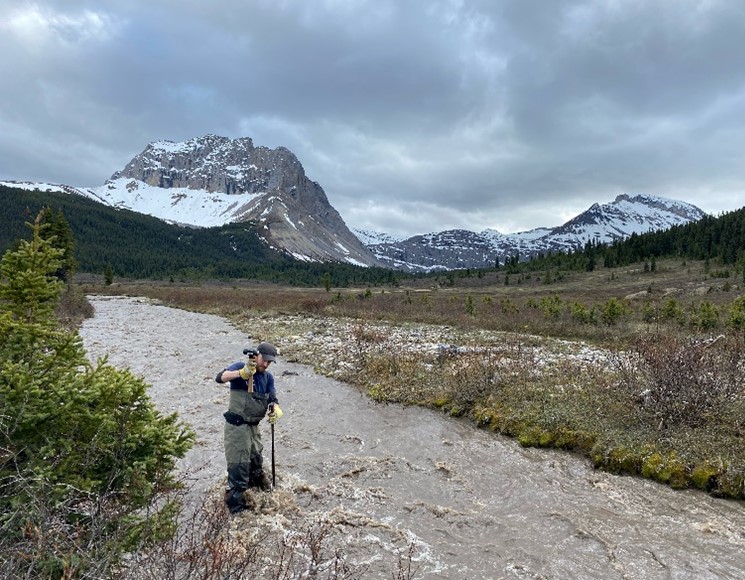
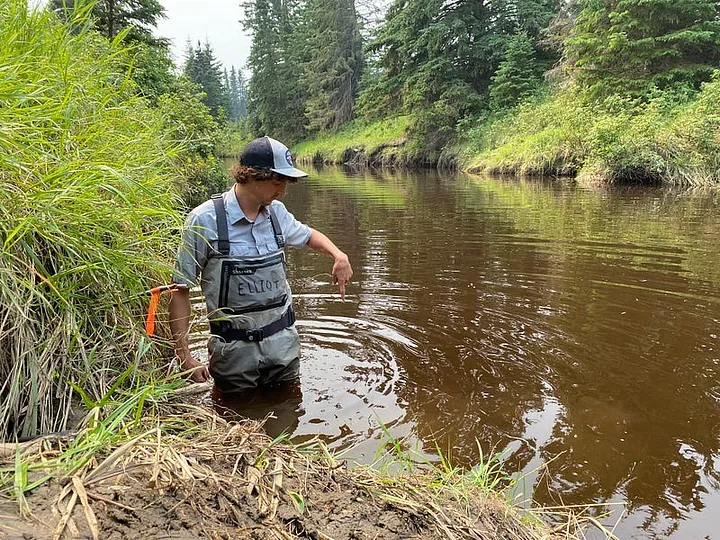
Directed the deployment of 376 stream temperature loggers along the eastslopes.
Incorporated data from 302 locations, collected in previous years by many different groups.
Quality controlling the dataset of approximately 1,000 temperature loggers.
Worked with MacHydro to update the model to select sites for the next season of data collection.
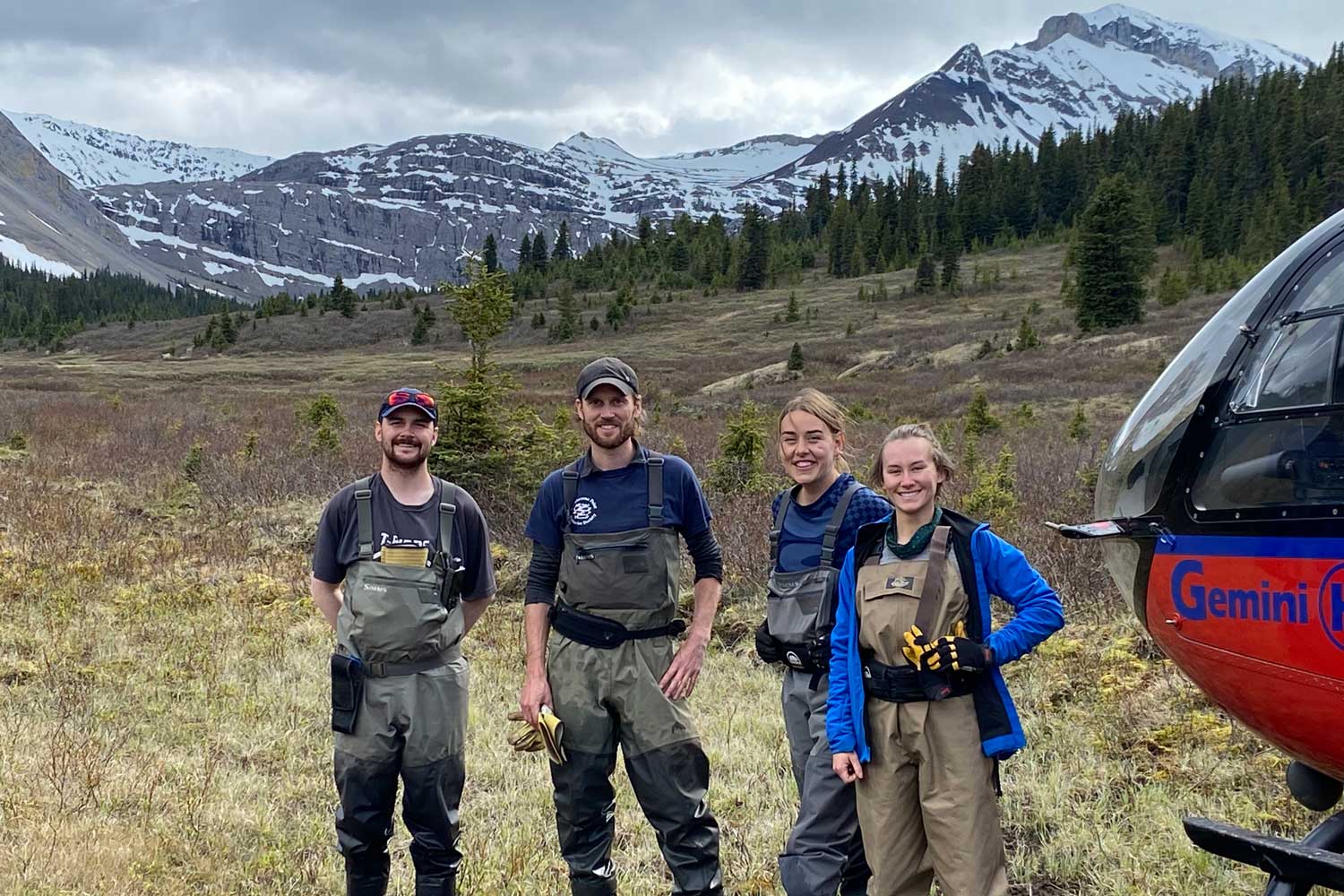
Collaborators and Water and Fish Program crew deployed over 400 more temperature loggers to high priority streams.
Quality controlling the ever-growing dataset.
Worked with MacHydro to update the model to select sites for the next season of data collection.
Deployed more temperature loggers and collected data from additional locations.
Quality controlling the dataset from approximately 3,000 locations.
With the models vastly improved, there are only a few gaps left to address with one more summer of data collection.




A
M