

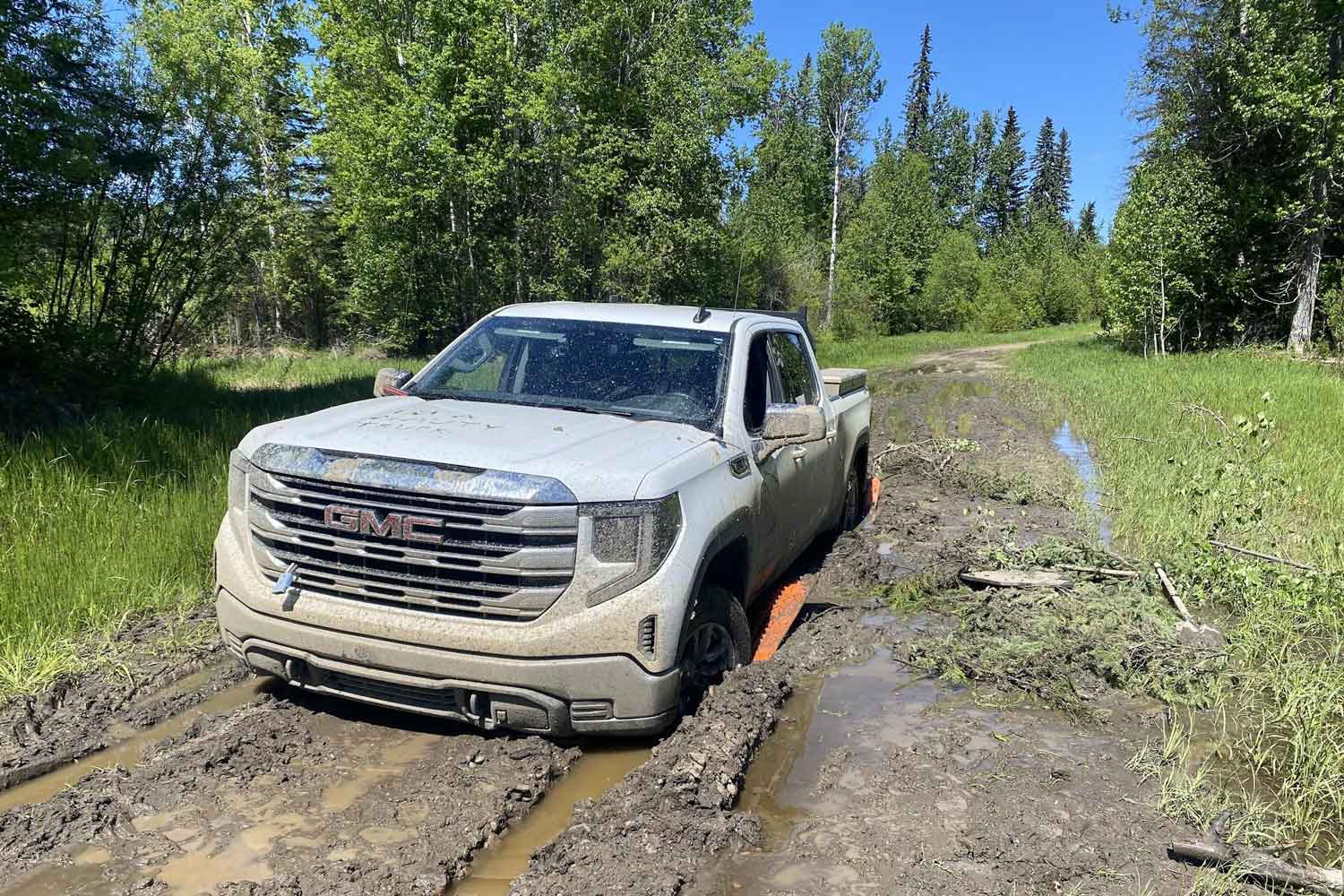
An example of how a poorly chosen line through some ruts can result in hours spent problem solving (driver will remain unnamed). Photo: Darko Gojsic
By Darko Gojsic
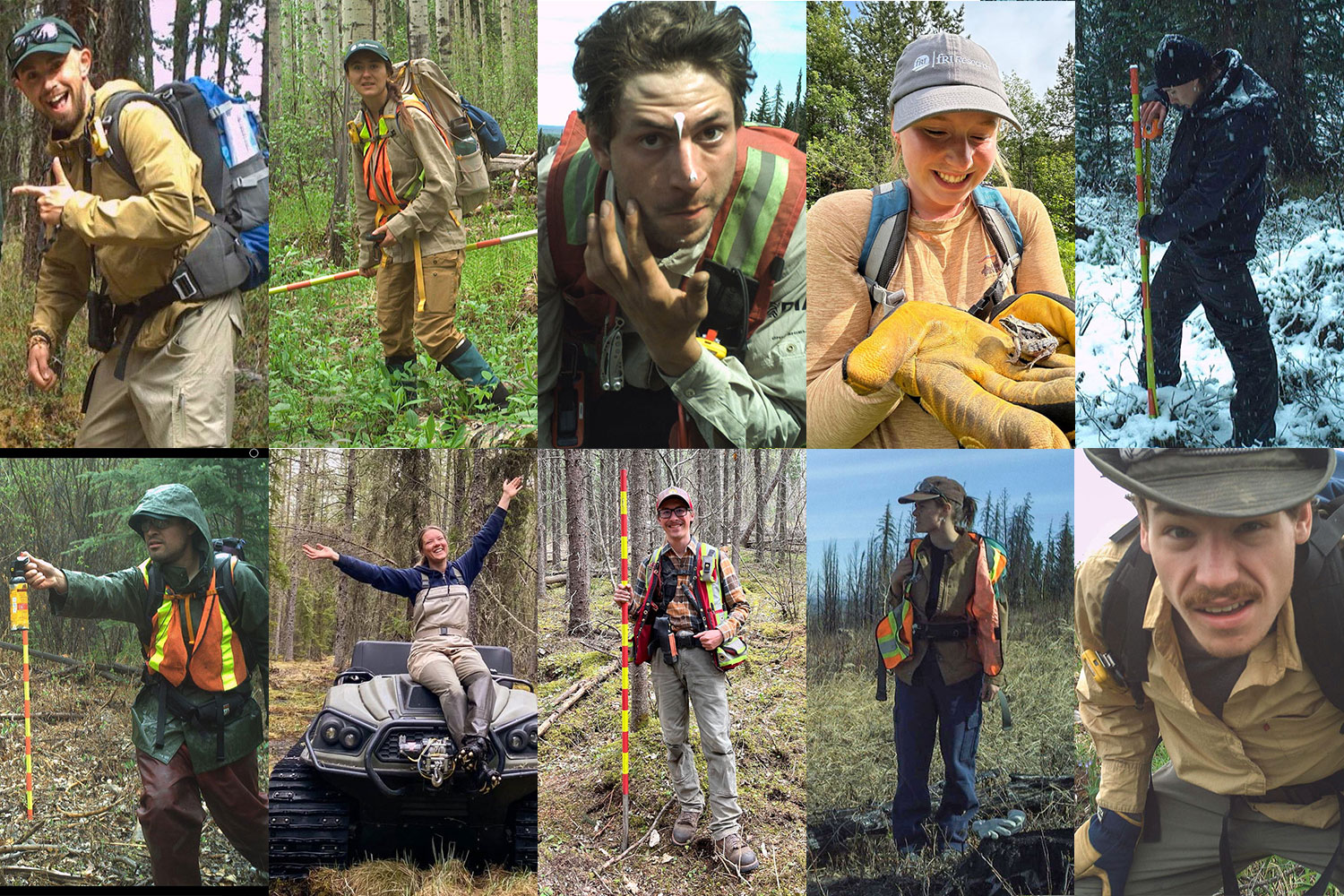
Oftentimes when we think of fieldwork we romanticize it as this idyllic romp through the woods to play with plants and fiddle with cameras. While we frolic when we can, the realities of bushwork mean most of our day is spent on a rough and dirty slog to get to site. The phrase “Dirty Hands, Clean Data” isn’t born from naught; getting trucks unstuck, fixing winches, removing busted skidplates, and rewaxing boots are at least half our battle.
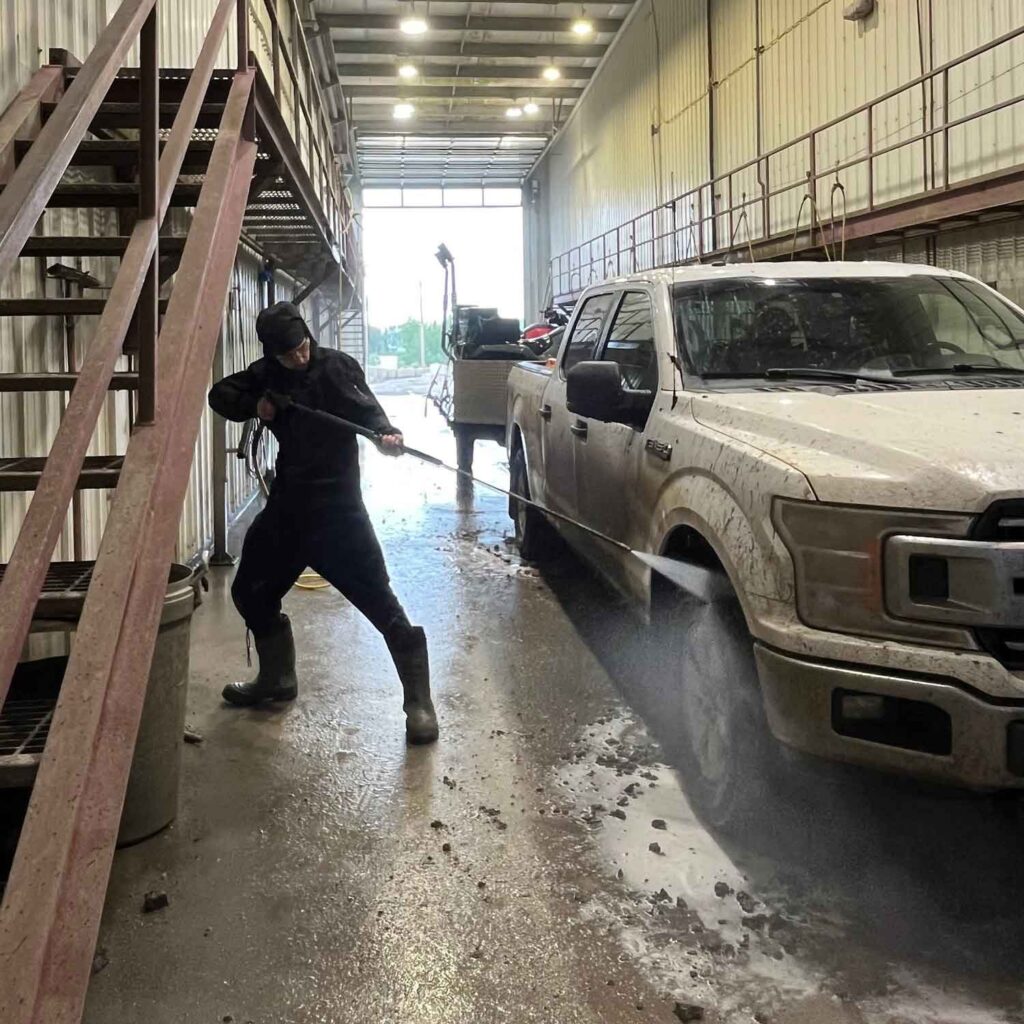
The rigours we put our noble beasts of burden through mean a significant portion of our shift is spent cleaning, inspecting, and maintaining or repairing our equipment. A little mechanical know-how or the willingness to pull a wrench out and bust some knuckles goes a long way in ensuring we can get back on the road for our next day of work.
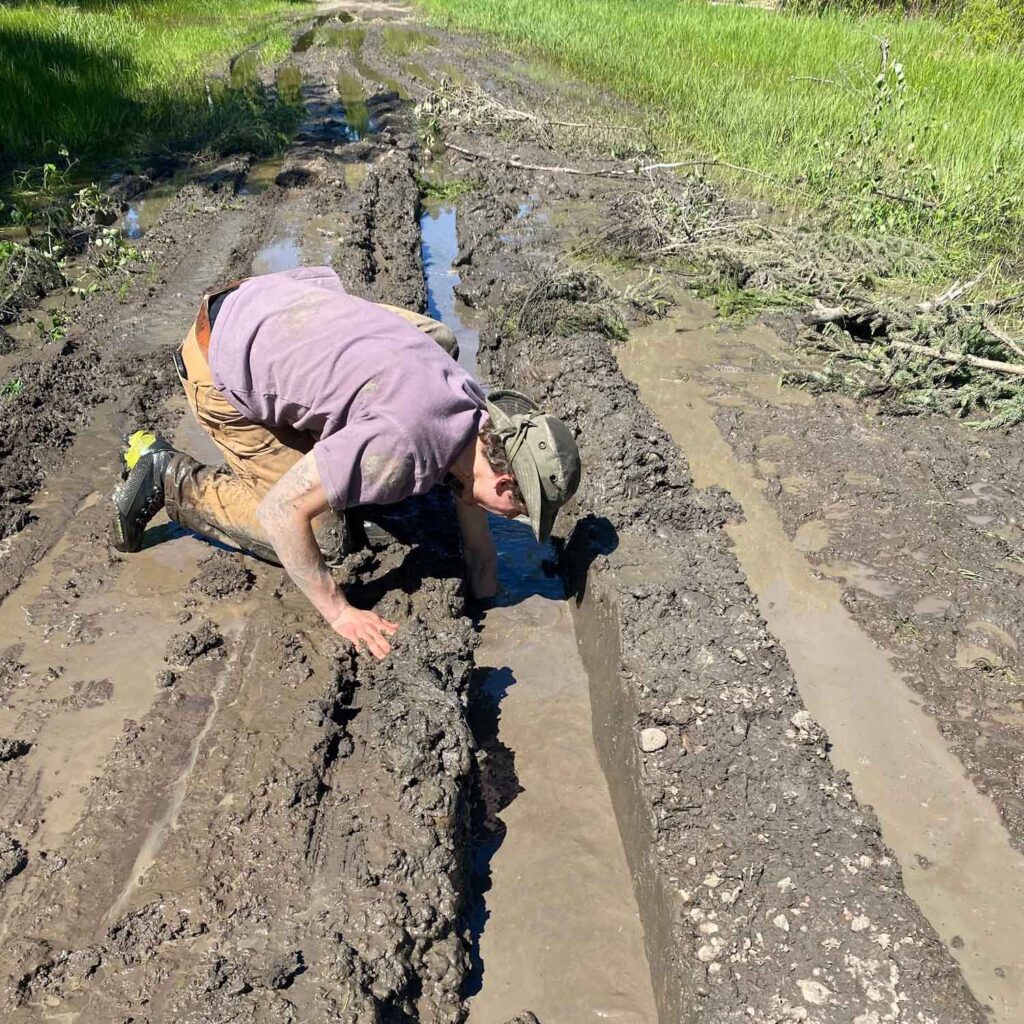
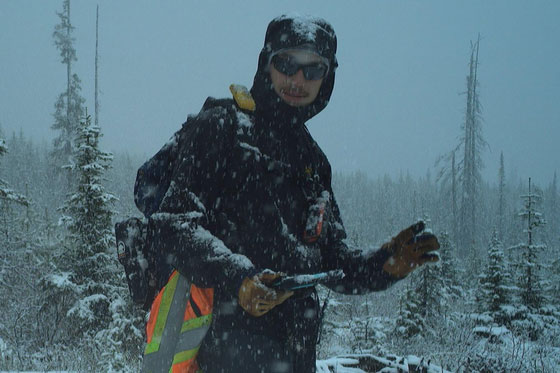
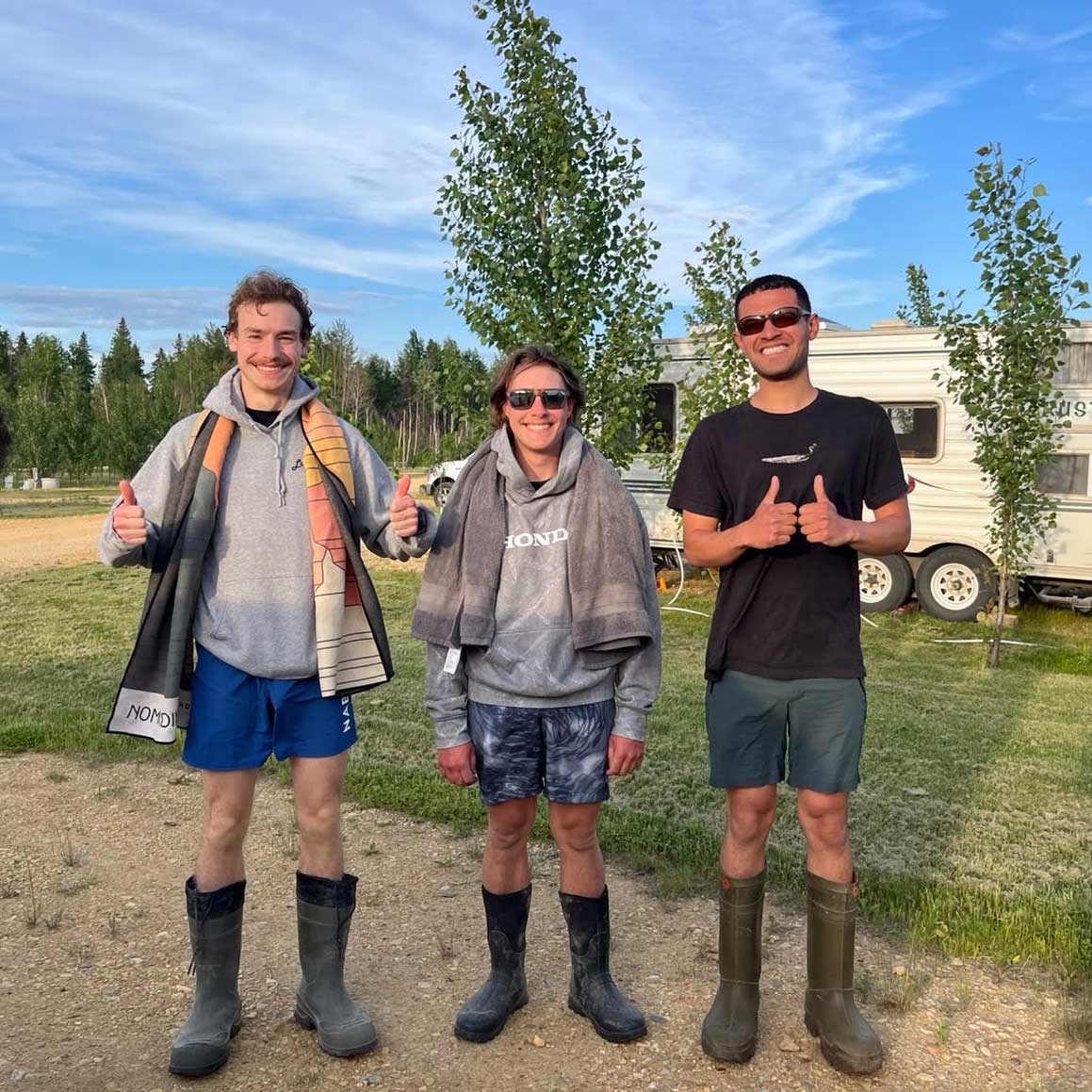
Much like the trucks, we push ourselves through some fairly horrendous conditions. Wet boots, old bug spray, and good old mud, sweat, and tears can leave us with a fragrance that even tree planters would gag at – an unfortunate truth as we live in very close quarters with one another. This means personal hygiene is both a monumental and imperative task, regardless of shower temperatures (braving the brainfreezes from Kakwa Camp’s showers is a painful act of compassion).