Assessment of Forestry Stream Crossing Effects on Water Temperature
What effects are bridges and culverts having on local stream temperatures?
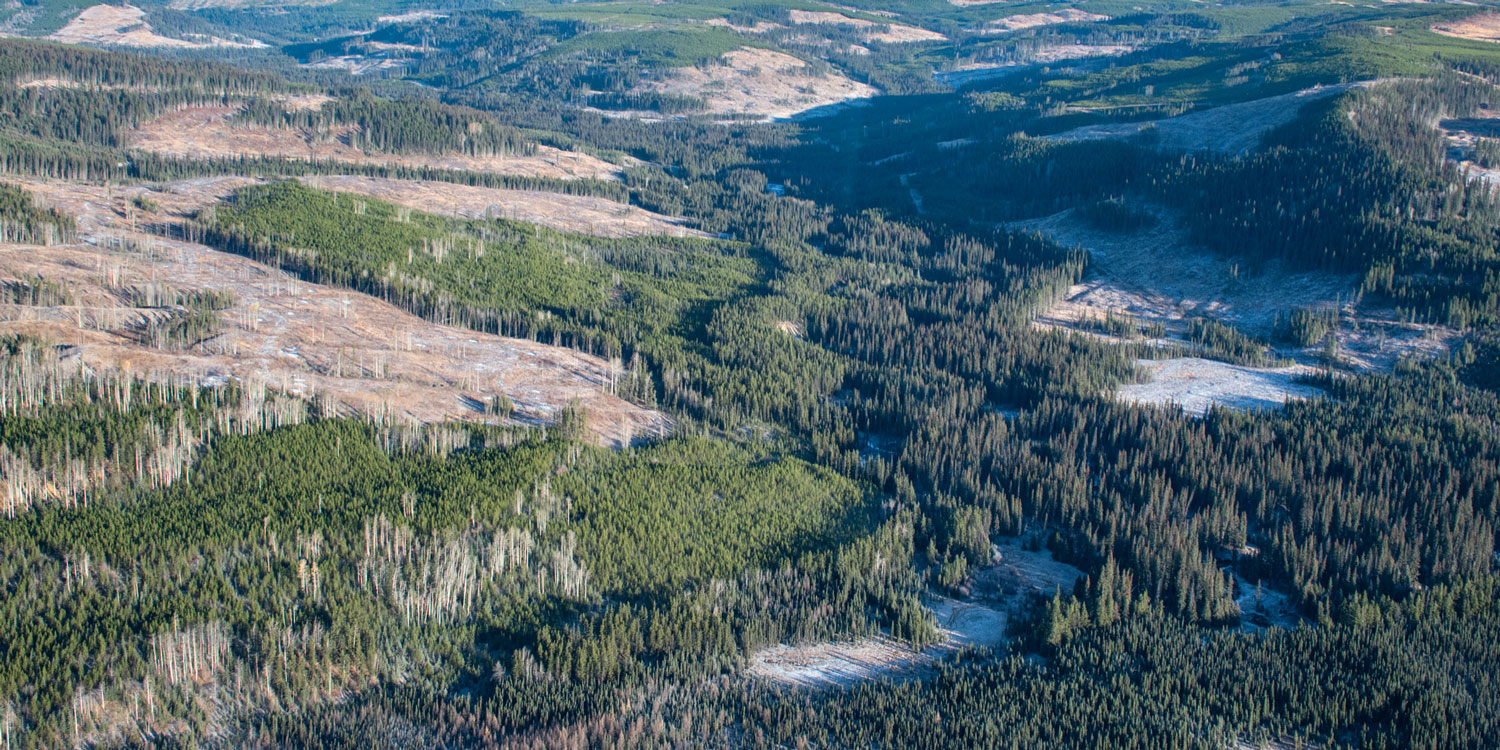
To access timber along the eastern slopes, forestry companies have installed tens of thousands of bridges and culverts across streams. This project will give us a better understanding of how local temperatures are affected at these sites through shade, change in riparian habitat, and potential changes to stream flow.
This is part of a broader effort to characterize critical habitat for cold-water fish species. It focuses on the effect of bridges and culverts on local stream temperatures. There are tens of thousands of these stream crossings along the eastern slopes, with potentially important changes to the amount of shade a stream has, its flow, and changes to the streamside vegetation.
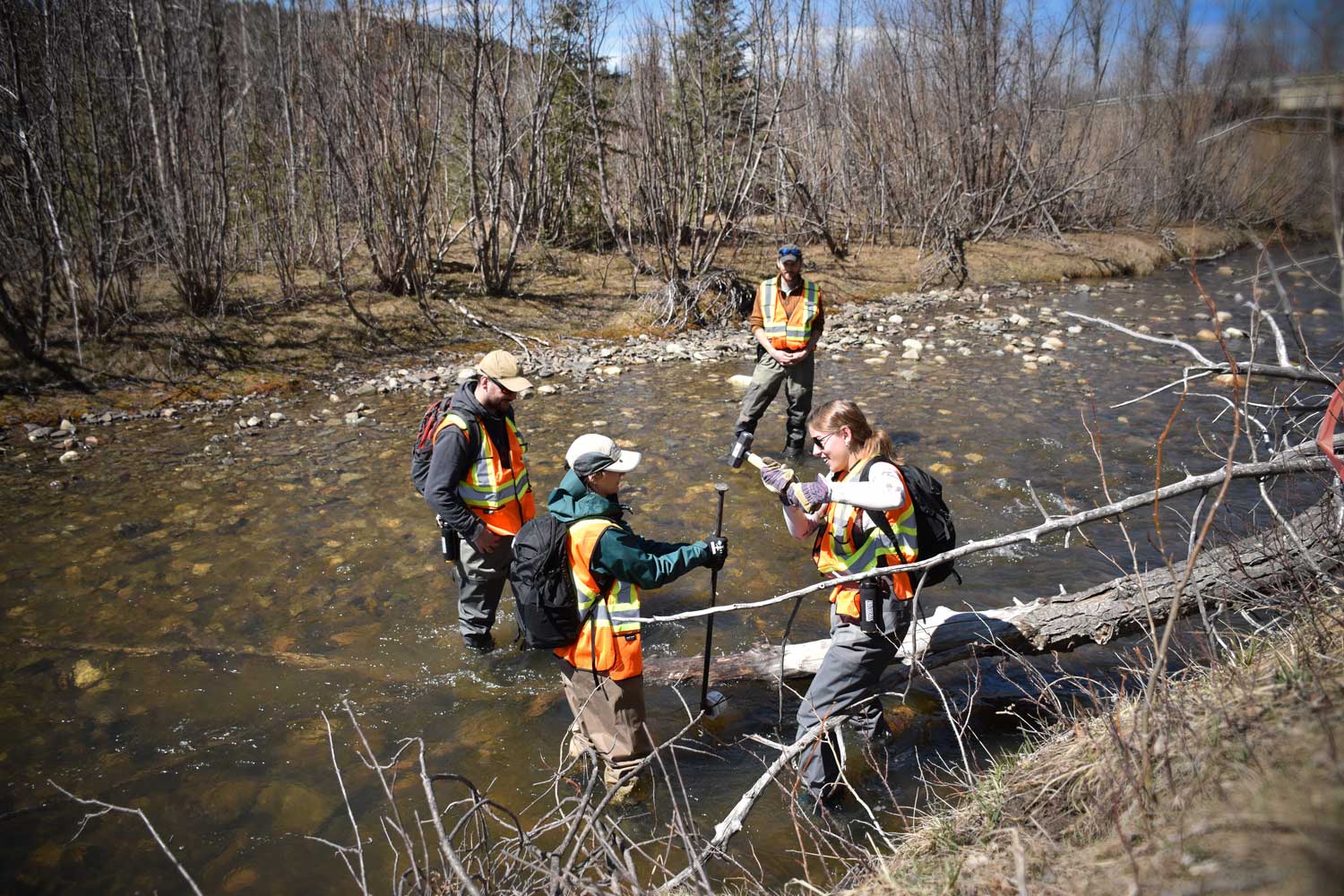
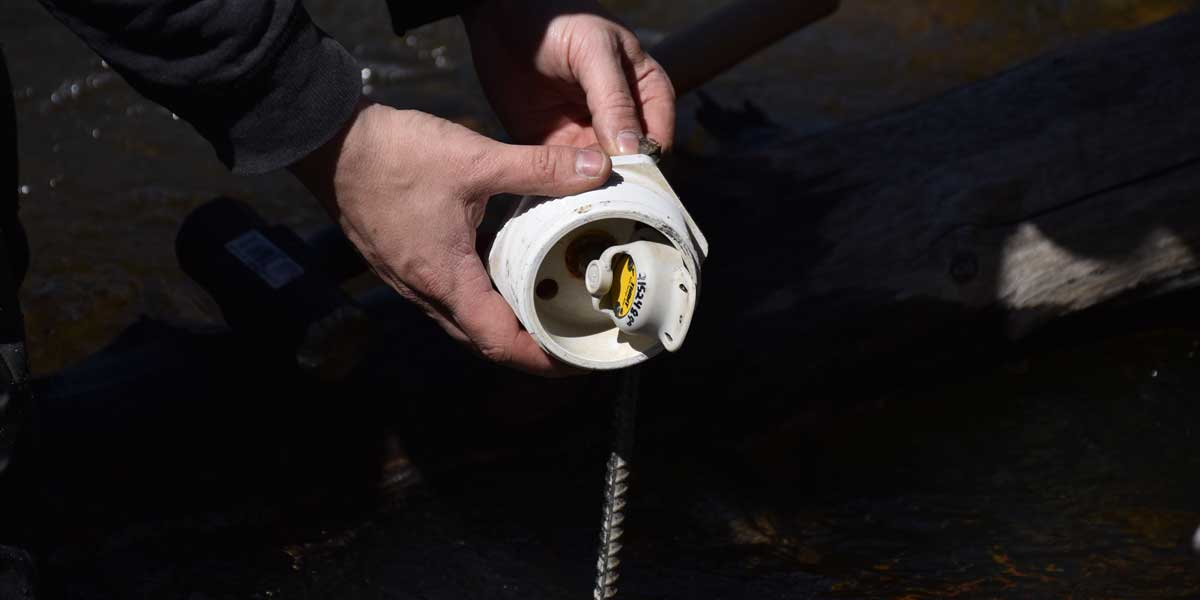
In phase 1, we deployed temperature loggers at 20 sites. A preliminary analysis performed by Drs. Dan Moore and Ryan MacDonald found that streams that had a thermal response tended to be under 3 m across, from bank to bank. Phase 2 expands the number of sites and will gather 3 years of data to ensure that the results are more generalizable.
The first temperature loggers are installed at crossing sites
Machydro deployed and recovered 100 loggers at 20 sites
Data incorporated into the larger stream temperature database
The team begins analyzing and writing up results.
Results from MacHydro written up and delivered to project partners.
Temperature loggers deployed at additional sites