Grizzly Bear Use of Reclaimed Coal Mines in Bear Management Area 3
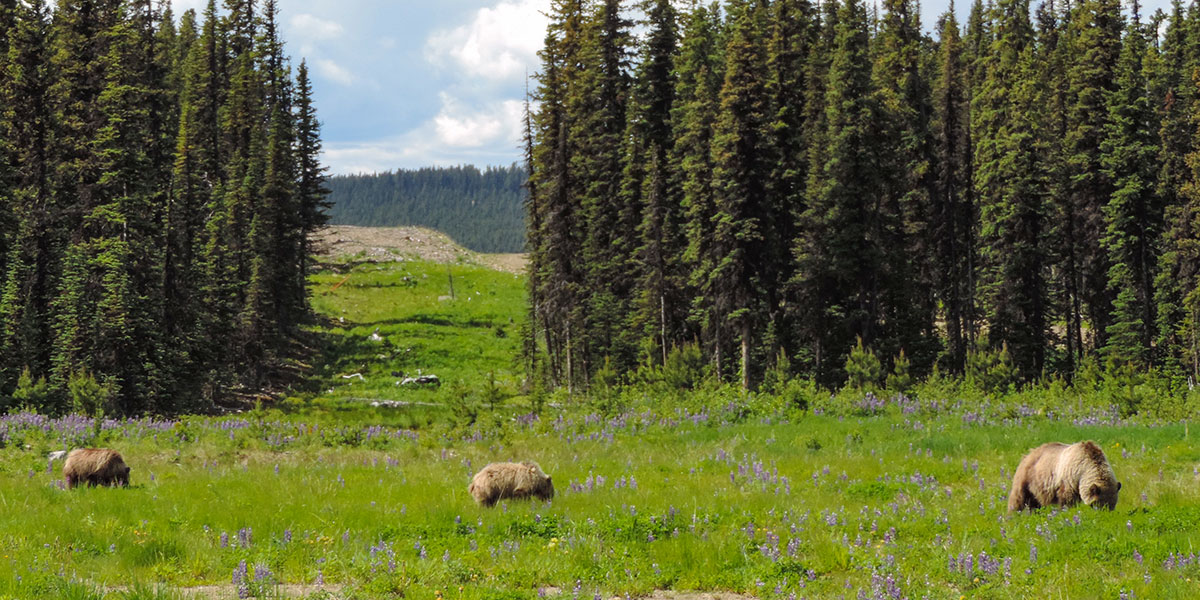
How do grizzly bears use coal mines in the reclamation phase?
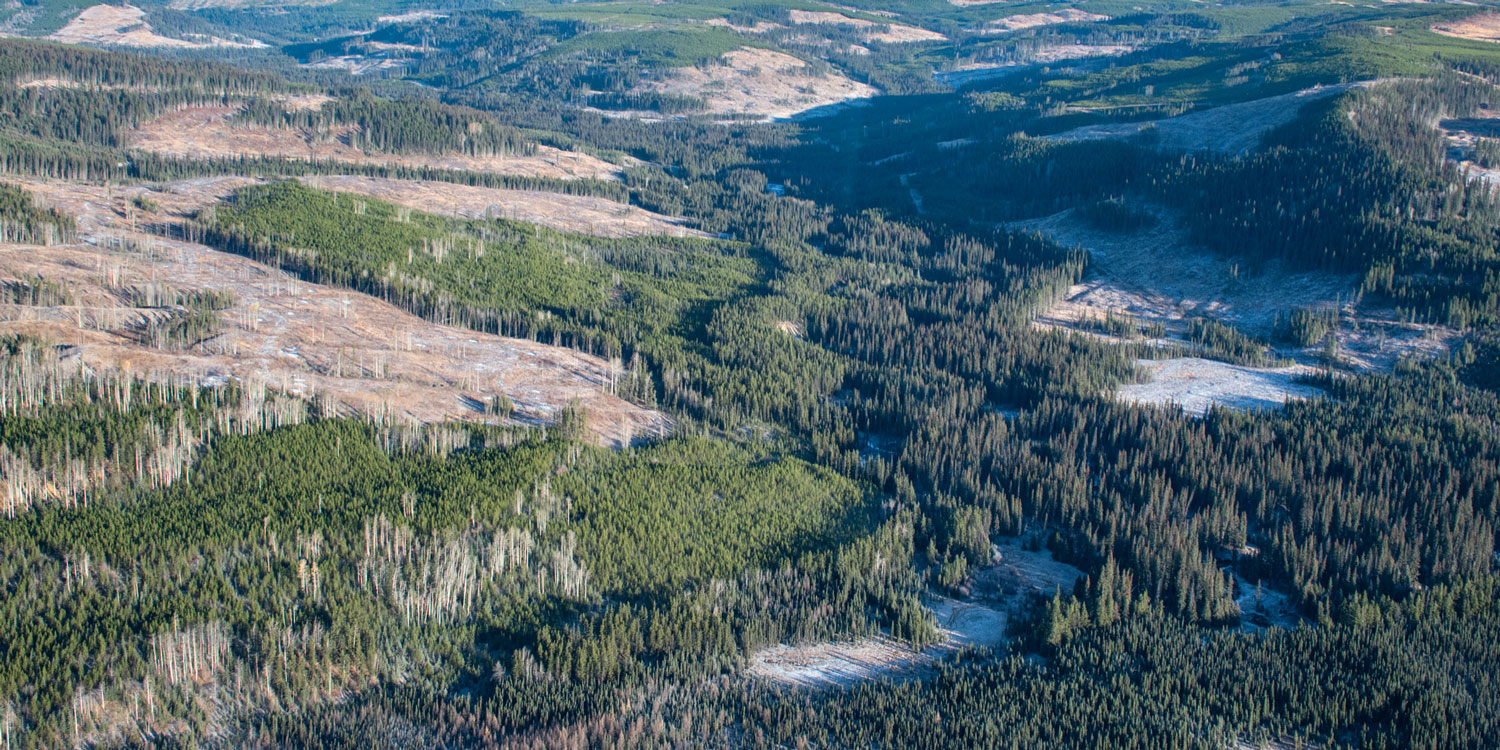
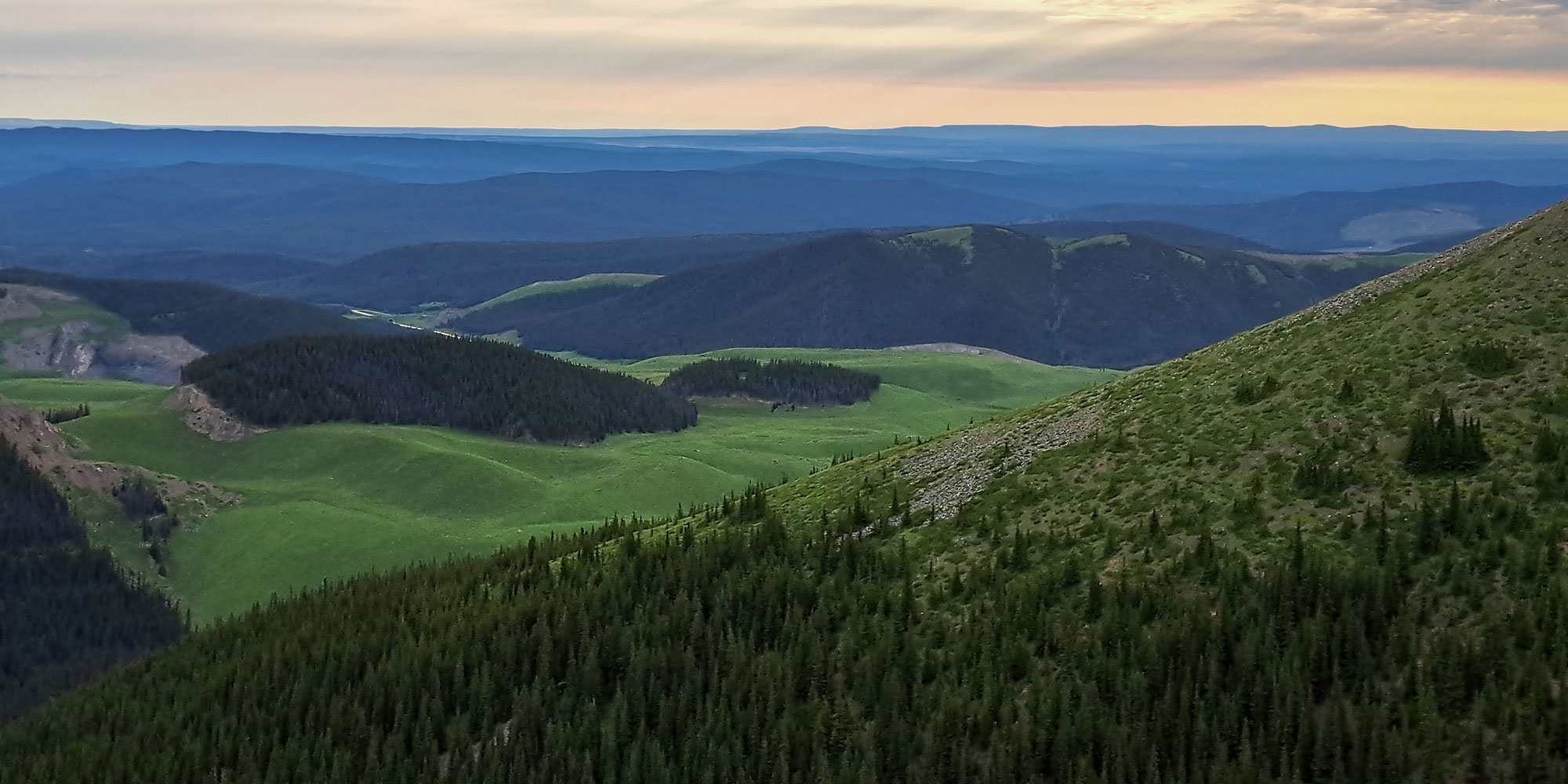
The Grizzly Bear Program was initially founded to study the impacts of the Cheviot Coal Mine, which began active operations in 1999. Along with other work, the program continued to research questions such as the effects of coal mining on grizzly bear diet, movement, habitat selection, survival, behaviour, and more. Active mining ceased in 2020 at Cheviot, and the area is being reclaimed, offering the opportunity to follow the impacts on grizzly bears at all stages in a coal mine’s life cycle. We can also compare grizzly bear use within the mineral lease to the surrounding area, which we were already monitoring.
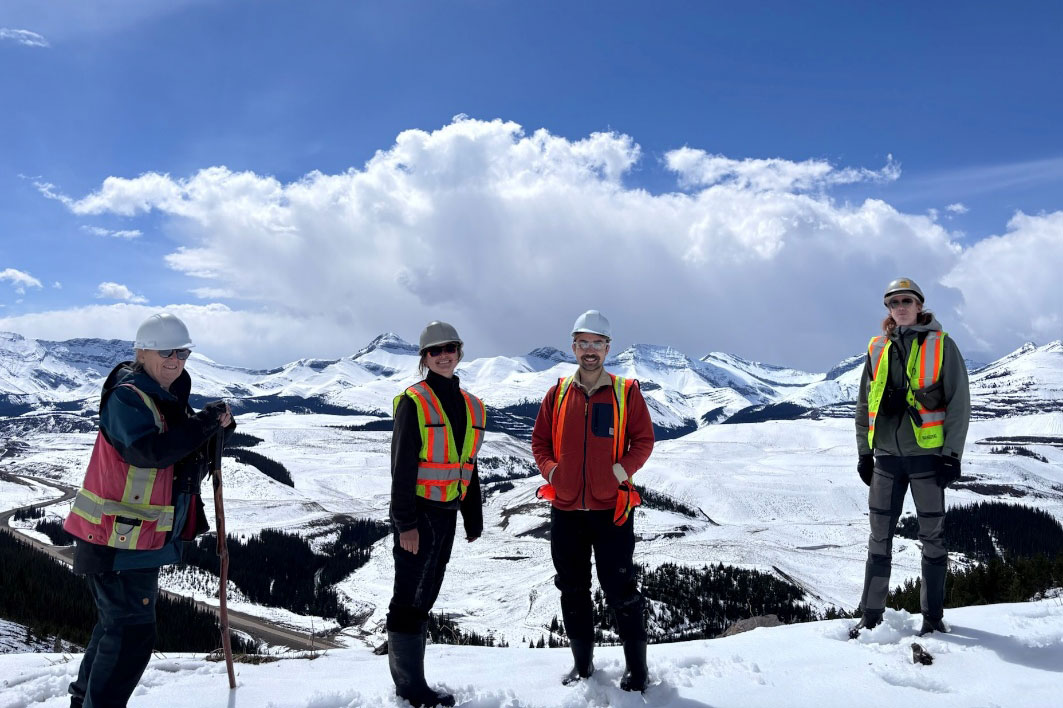
This project deploys hair snag sites and camera traps around the Cardinal River mining complex, which includes the Cheviot Coal Mine, in order to document grizzly bear occurrence in this landscape feature.
Helicopters used to set up hair snag and camera trap sites
B
- Bighorn Mining
J
- John Nyssen
L
- Larry Gruenke