Abstract
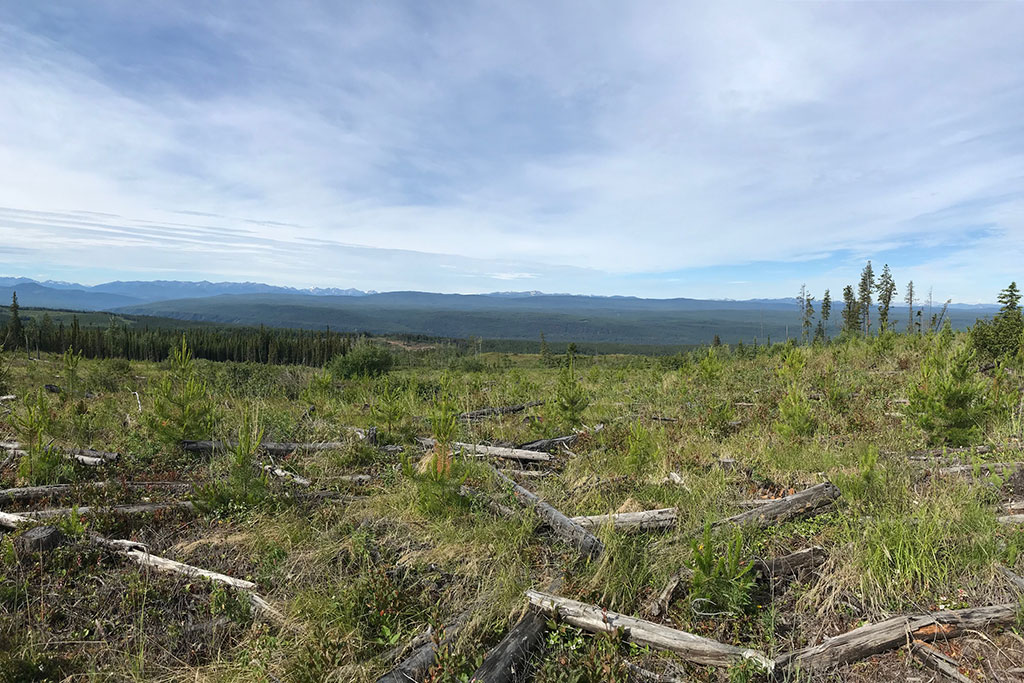
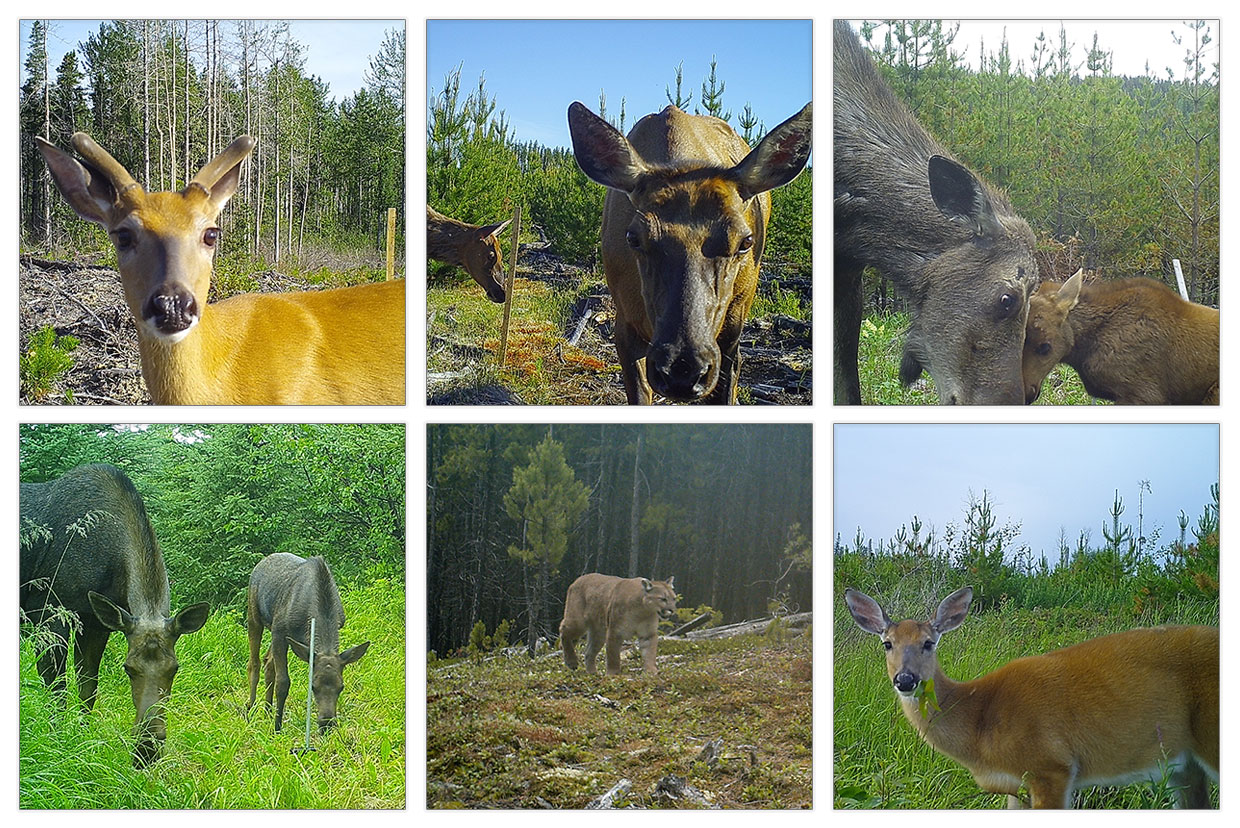
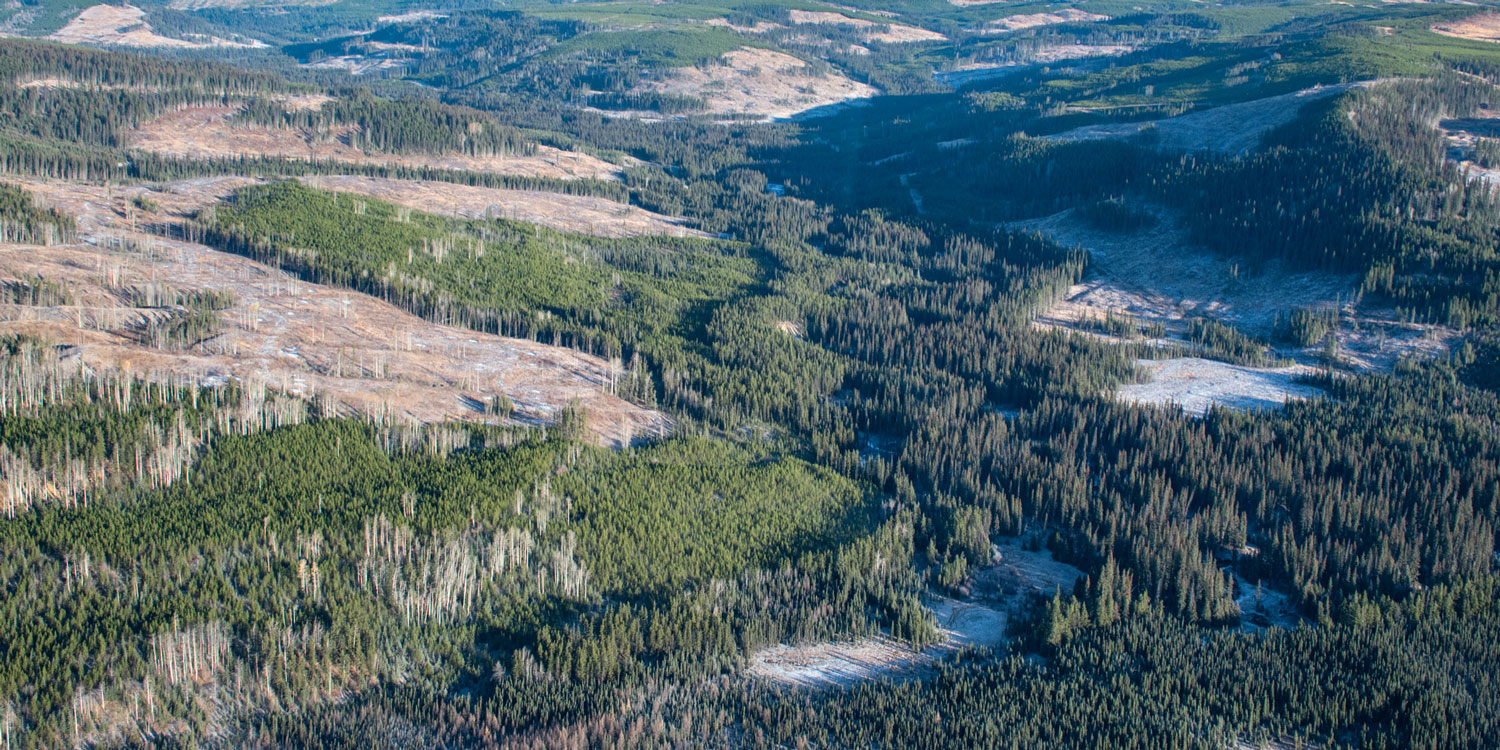
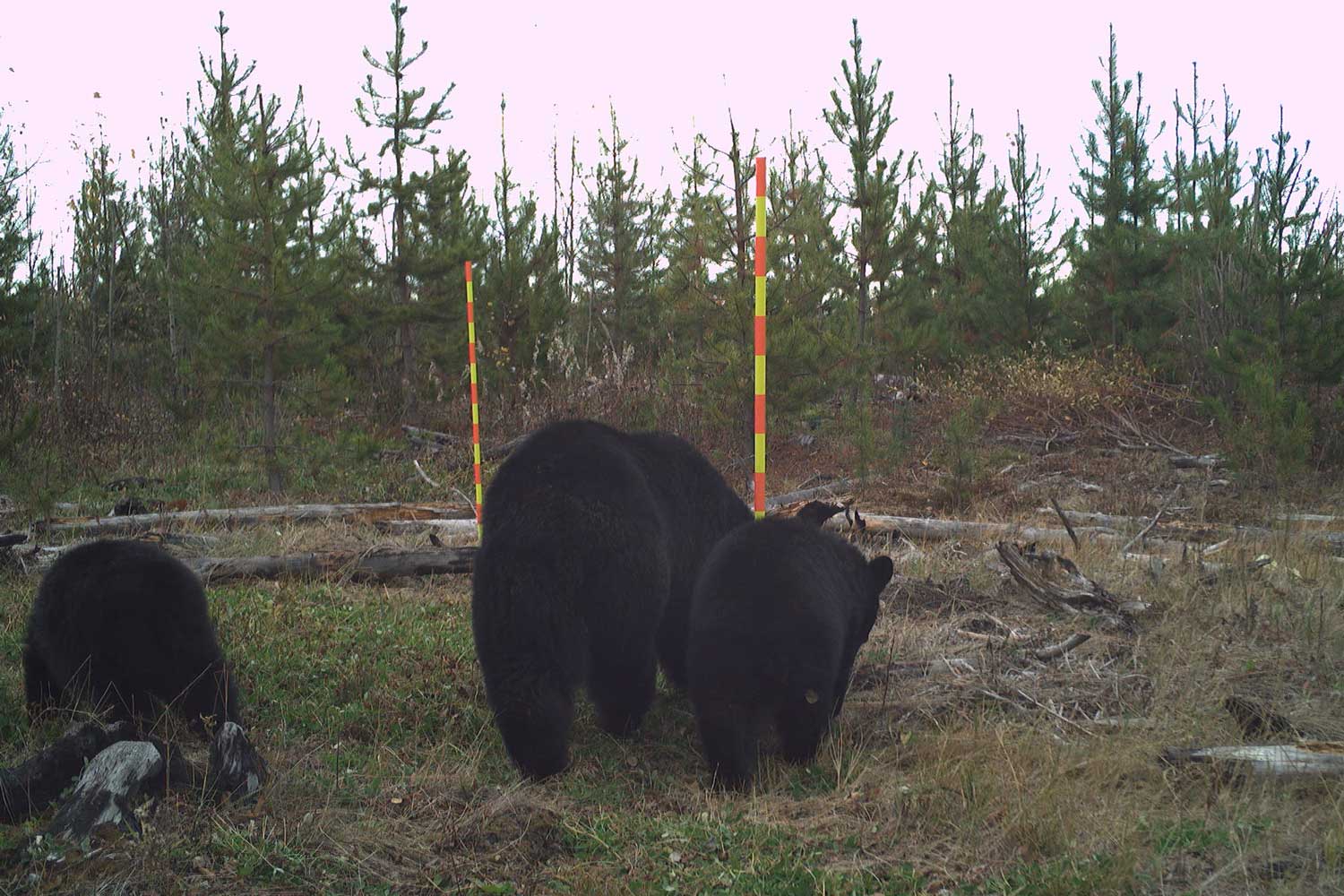
Forest harvesting is the dominant human-caused habitat disturbance across Canada’s boreal forest, influencing wildlife distribution, movement, and predator-prey dynamics. Within harvest blocks, silviculture affects forage and cover. We used camera, vegetation, habitat, anthropogenic disturbance, and silviculture data to assess carnivore occurrence in harvest blocks in west-central Alberta, Canada during 2018–2020 in relation to season, forage, surrounding habitat and disturbance, and silviculture. Summer occurrence was lower in blocks surrounded by lower densities of anthropogenic disturbances (bear, fox, wolf), while winter occurrence was lower in blocks surrounded by lower densities of linear disturbances (coyote, lynx). Carnivore occurrence was also influenced by forage, block characteristics, and silviculture. For example, grizzly bear and fox occurrence increased with Rosa spp. biomass, while fox occurrence was higher in younger harvest blocks. Bear and fox occurrence differed with site preparation method, grizzly bear, coyote, and lynx occurrence were higher with higher lodgepole pine or white spruce planting densities, bear occurrence was higher in tended blocks, and lynx and coyote occurrence were lower where larger areas were tended or herbicide application rates were higher. These results highlight the importance of considering harvest block characteristics, silviculture, and surrounding habitat when assessing forestry effects on wildlife. Our study provides information to inform evidence-based sustainable forest management and mitigate forestry effects on multiple wildlife species.
Citation
Laura Finnegan, Tracy L McKay, Carnivore occurrence in harvest blocks is influenced by forage availability, surrounding habitat, and silviculture practices, Trees, Forests and People, Volume 27, 2026, 101468, ISSN 2666-7193, https://doi.org/10.1016/j.tfp.2026.101468.