Executive summary
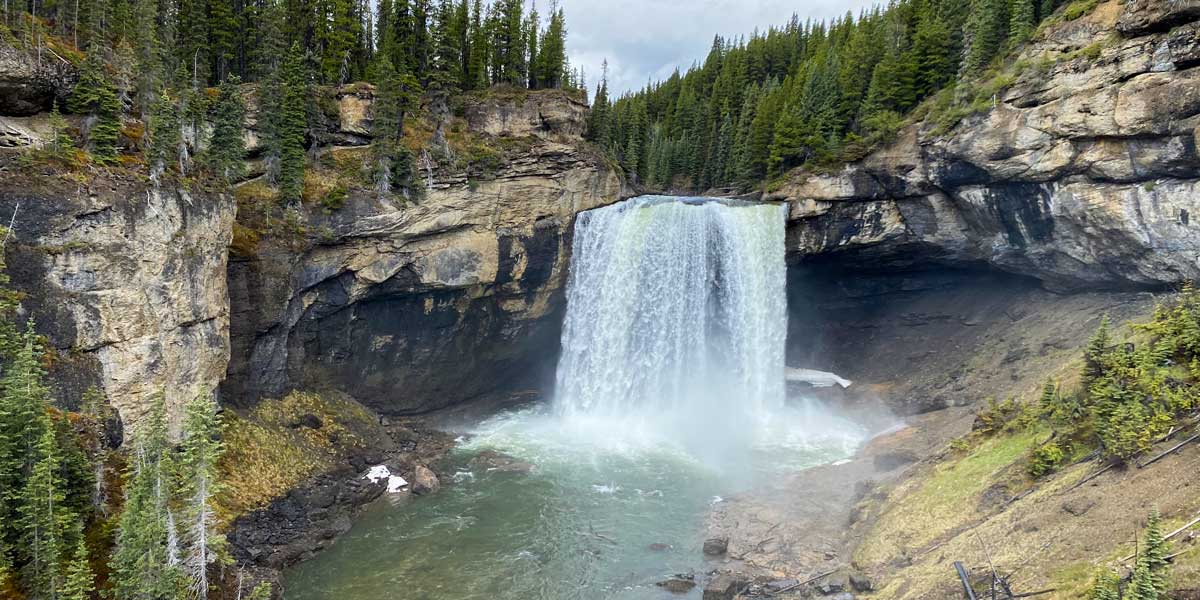
The Kakwa watershed is home to one of Alberta’s cold-water species at risk, bull trout (Salvelinus confluentus). Bull trout face many challenges to survival, one being competition with non-native trout species. Non-native rainbow trout (Oncorhynchus mykiss) have historically been stocked in the Kakwa headwaters (Kakwa, Babette and Cecilia Lakes). Upstream fish movement within the watershed is restricted by a waterfall, partially isolating populations of rainbow trout. However, there is a lack of information available on these stocked trout. If conservation efforts are to be taken for bull trout in the Kakwa watershed, knowledge on introduced non-native species should be increased. Therefore, this work aimed to:
- sample Kakwa and Babette lakes to quantify the abundance and relative abundance of rainbow trout,
- describe length distributions of fish collected, and
- confirm rainbow trout are the only fish species present above the falls.
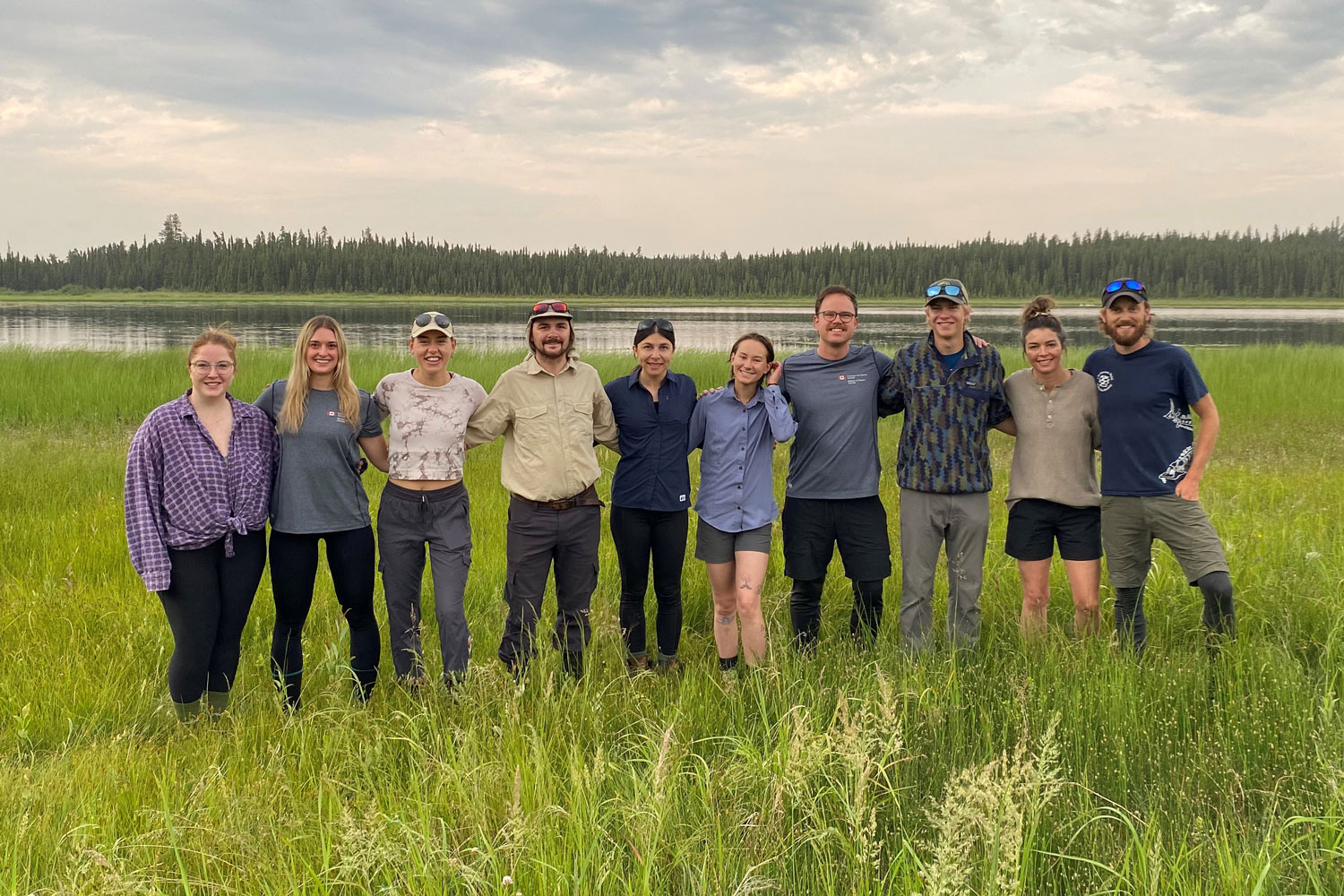
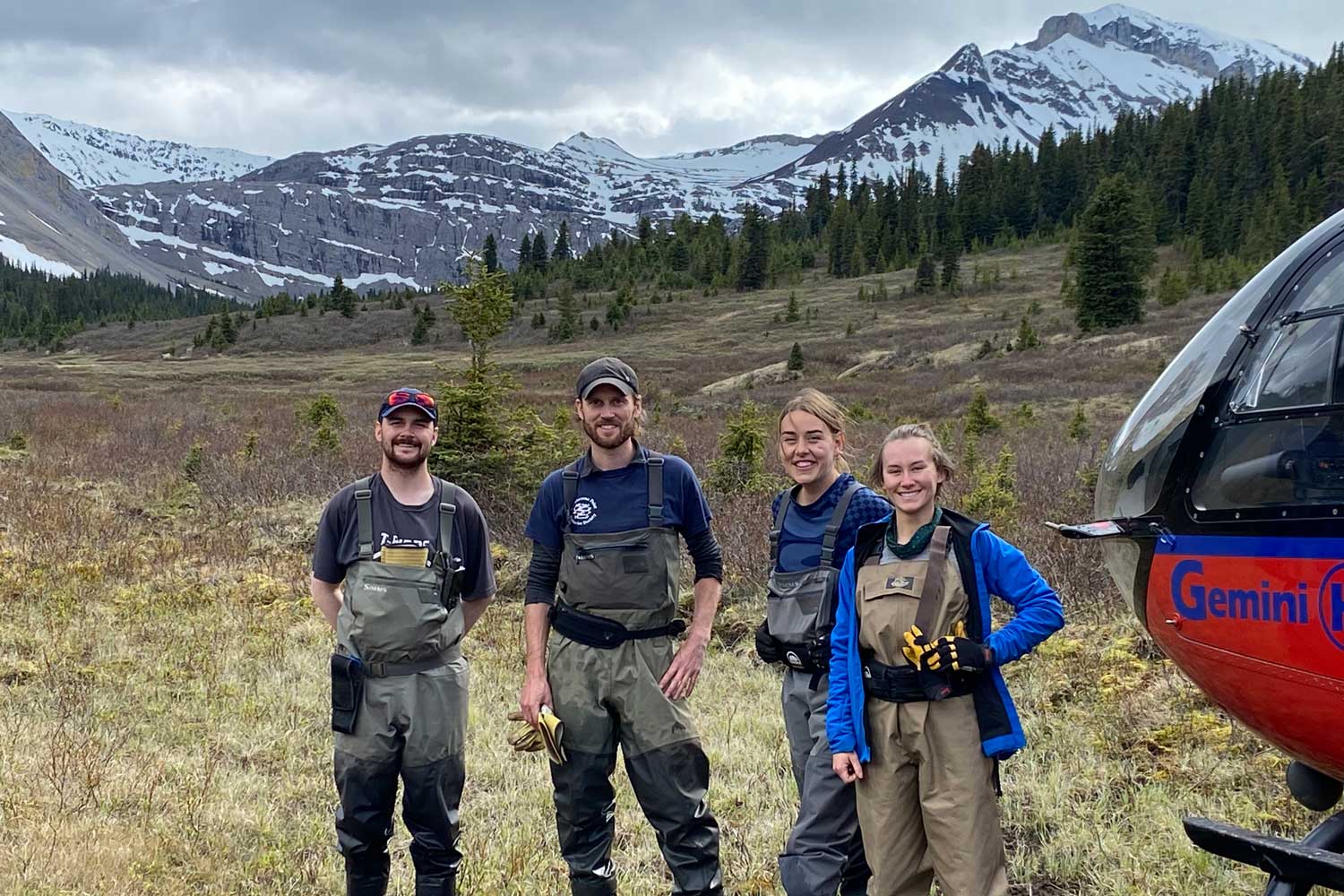
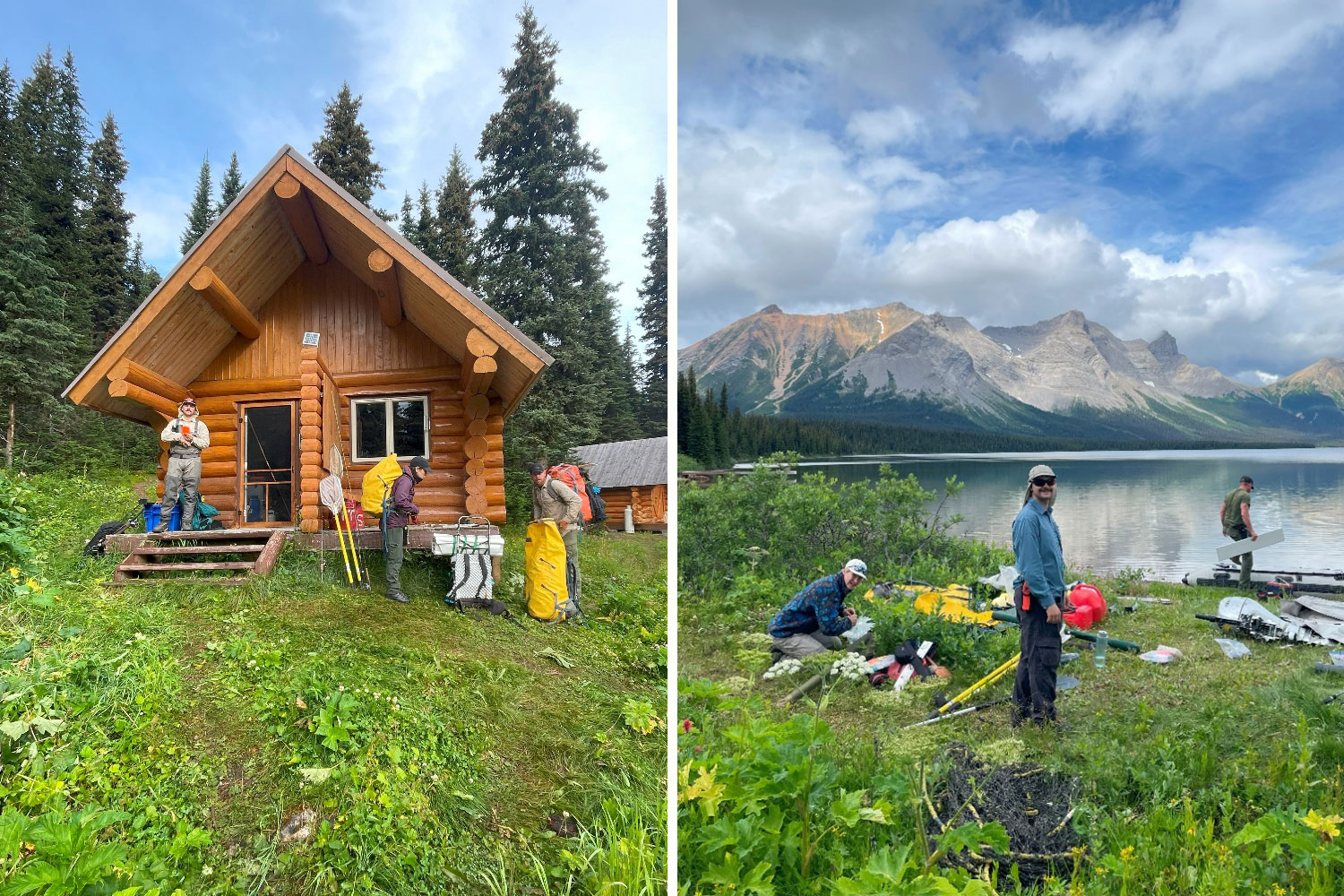
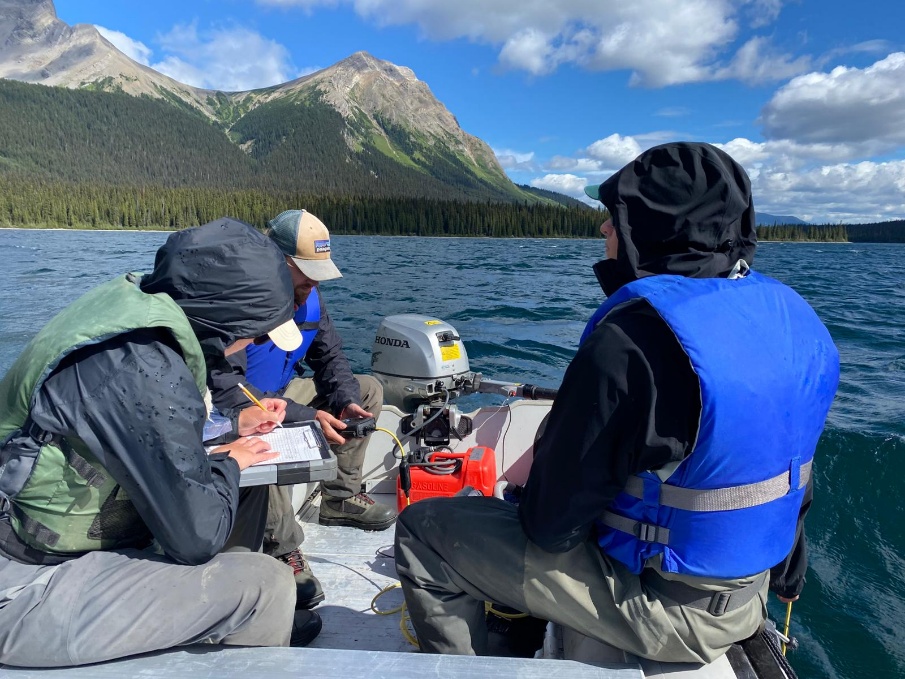
Sampling occurred in August 2025 by the fRI Research Water and Fish Team and Alberta Environment and Protected Areas staff. Each lake was sampled for fish via angling and North American Standard Index Netting Sampling Protocol (NASIN) netting. Tributaries to Kakwa Lake were assessed with backpack electrofishing. Temperature and dissolved oxygen profiles were collected for both lakes. At Kakwa Lake, periphyton, and benthic and terrestrial invertebrates were collected for future stable isotope analysis.
Results suggested both lakes were oligotrophic with cold water (~12-14 °C), no obvious stratification of temperature or oxygen, and limited aquatic vegetation and algae throughout. Catches were overall low but indicated rainbow trout were the only fish species present. Furthermore, it appears few rainbow trout persist in Babette Lake (~5% of total fish caught) while an established population with a range of size classes remain in Kakwa Lake and its connected tributaries. All fish caught via angling in Babette Lake occurred near the inlet despite angling the entire perimeter of the lake. Large mature rainbow trout were captured predominantly in Kakwa Lake while fry and juveniles were documented in the connected tributaries and near tributary outflows indicating recruitment is present. Due to low marks and recapture rates, a population estimate could not be completed but relative abundance suggests low catches for both netting (Kakwa Lake = 1.4 fish / net-night, Babette = 0.4 fish / net-night) and angling (Kakwa Lake = 0.7 fish / angler-h, Babette 0.4 fish / angler-h). Backpack electrofishing had moderate to high catches relative to those observed below the waterfall with 31 fish / 300 m in Kakwa River and 46 fish / 300 m in Babette Creek. Both tributaries had high numbers (100s) of young of year (yoy), that were unable to be captured due to their small size.
Overall, the results suggest that rainbow trout have established a natural reproducing population with a subset that have grown to large sizes (typically found in the lakes). Both net catches and angling suggest that the two lakes currently hold low densities of fish that could be a result of low productivity or the lakes have yet to reach carrying capacity. The observations of large numbers of yoy suggest that recruitment is present and spawning habitat exists for spring spawning salmonids.
Citation
Allore C.A. and Kissinger, B.C. 2025. “Kakwa and Babette Lake Report: August 6–13, 2025.” fRI Research.