Abstract
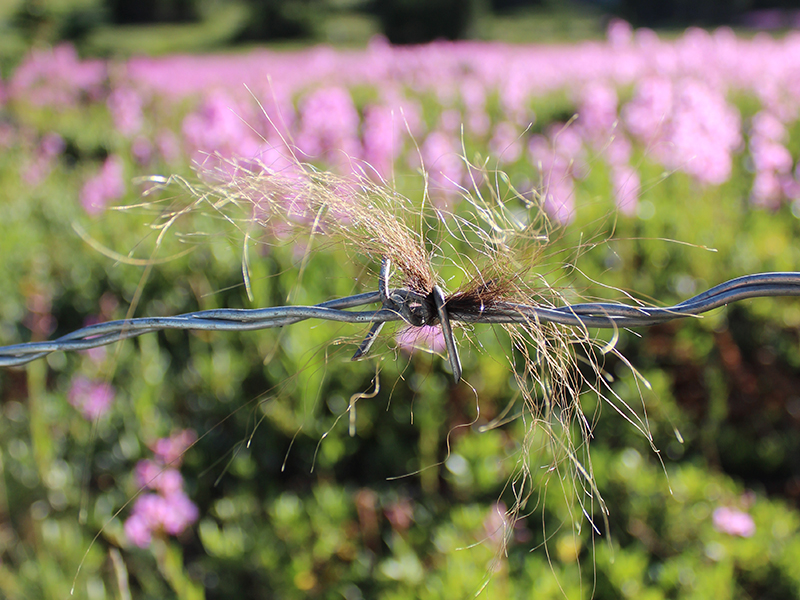
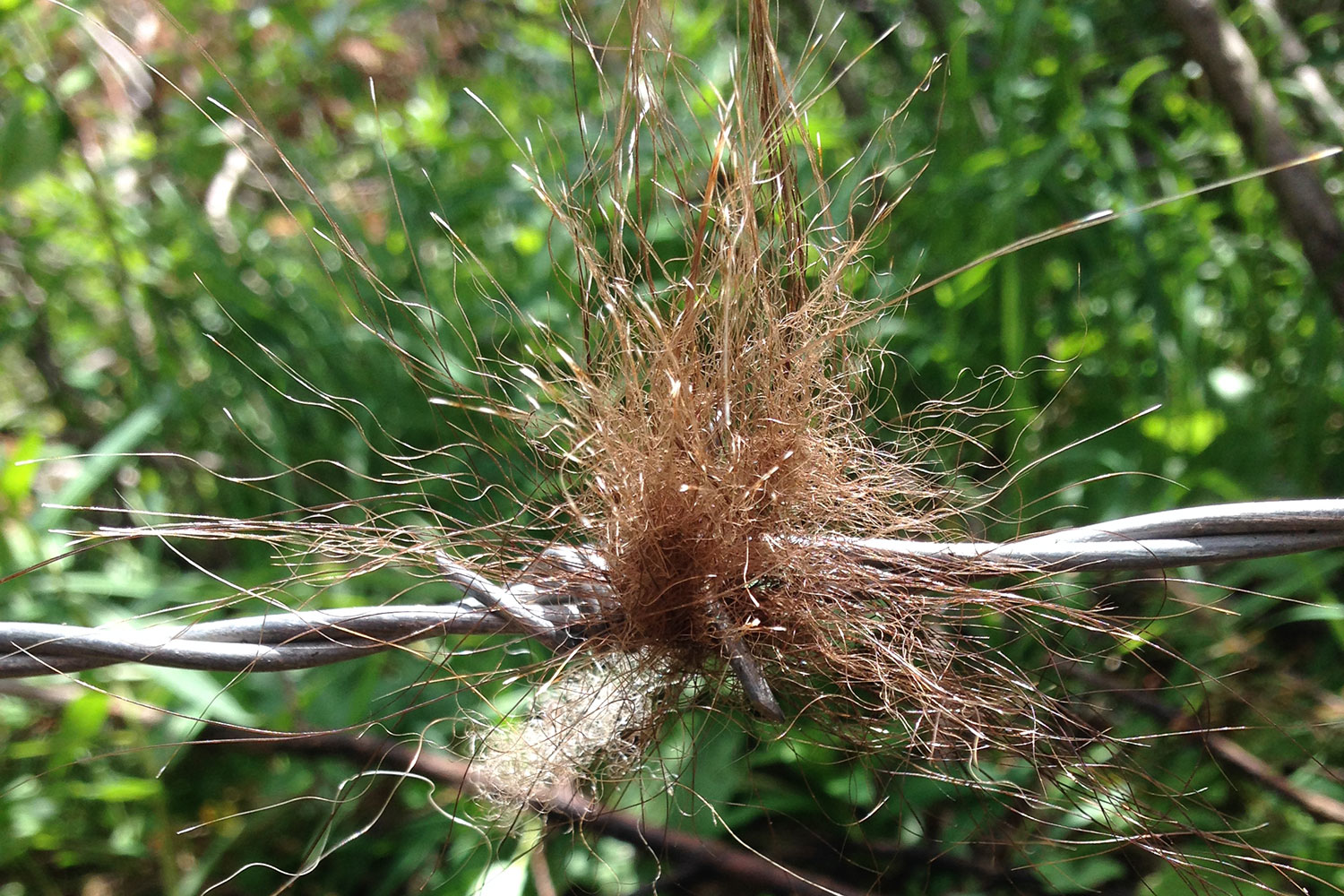
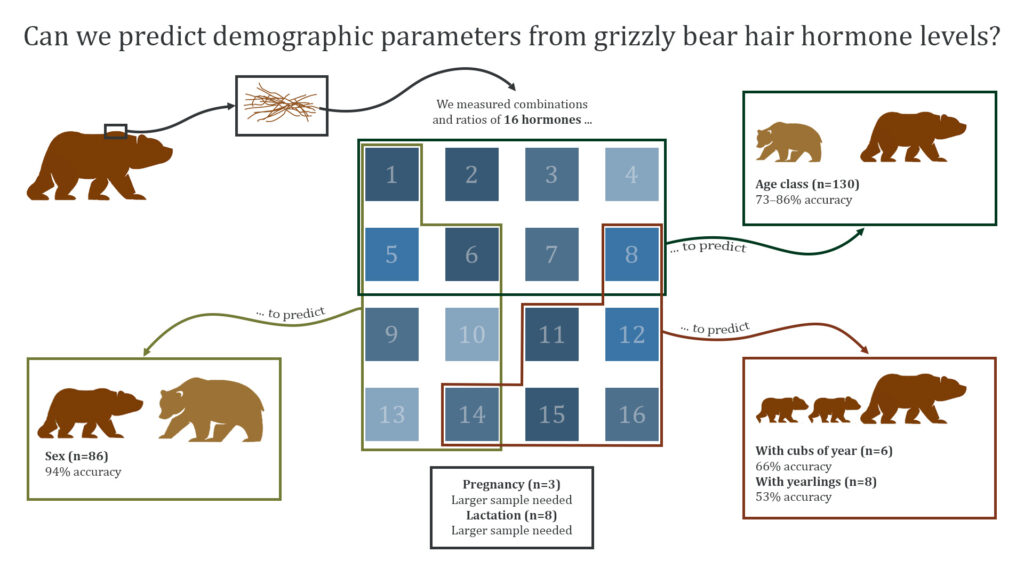
A common approach to monitoring bear populations is the estimation of population sizes through non-invasive DNA sampling by means of hair snags. Although successful in acquiring population size estimates, genetic capture-recapture-based population surveys lack provision of the demographic parameters needed to inform a multi-dimensional understanding of a population. We hypothesized that grizzly bear (Ursus arctos) hair hormone concentrations could be used to determine key demographic parameters, specifically whether animals were male or female, sub-adult or adult, pregnant or non-pregnant females, lactating or non-lactating females, and females with or without cubs. We measured hormone profiles (16 steroid and thyroid hormones relating to reproduction, stress, and nutrition) from 130 grizzly bear hair samples collected during live-capture events in Alberta, Canada, from 2008-2019, for which we were able to determine sex, age class, and several measures of reproductive status in females (pregnancy, lactation, and presence of cubs). We used random forest models to predict demographic parameters based on different combinations of hormone values, with a predictive accuracy ranging from 53% to 94%. Our best performing models were those developed to predict sex (80% accuracy when applied to all bears and 94% accuracy when subset to adult bears). Age class models performed better on male bears (86% accuracy) than on female bears (73% accuracy). Our analyses of female reproductive status were constrained by sample size limitations but resulted in a predictive model able to determine whether an adult female was accompanied by cubs of the year with 66% accuracy. By testing this methodology on hair samples collected from captured grizzly bears where these demographic parameters were known, we demonstrate its potential applicability to non-invasive monitoring approaches. Pairing hair hormone concentration analysis with genetic capture-recapture surveys has the potential to provide multi-dimensional population data to wildlife managers, better informing evidence-based decisions.
Citation
Wilson, A. E., C. J. R. McClelland, S. A. Michaud, J. Han, G. Stenhouse, D. R. Goodlett, K. Magnusson, K. Graham, H. Fernández-Bellon, D. M. Janz, et al. 2025. Validation of grizzly bear hair hormone profiles as a tool to monitor population demographics. Journal of Wildlife Management e70154. https://doi.org/10.1002/jwmg.70154