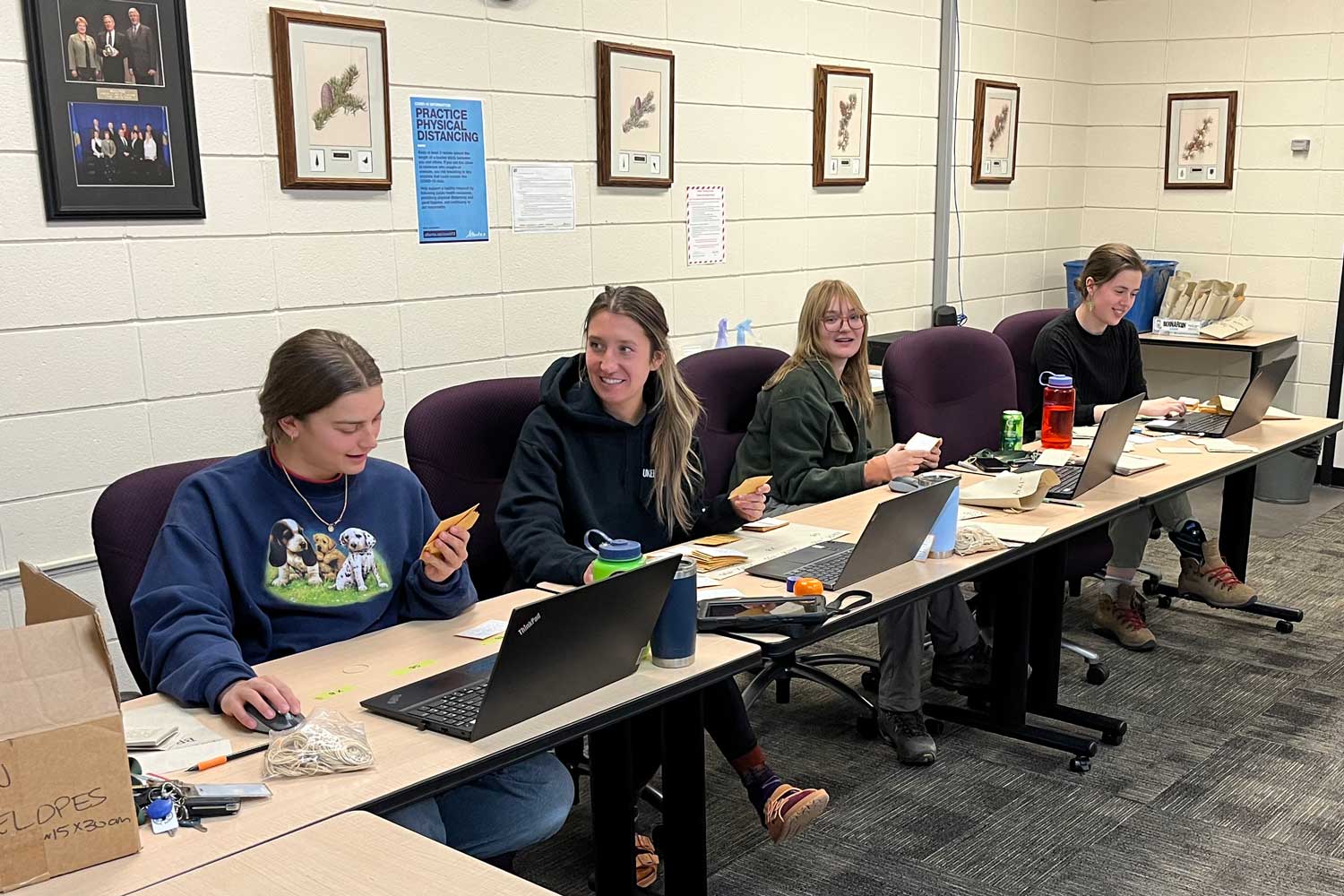
Organizing over 5,000 hair samples.
Written by Sierra Makasoff and Sue MacKinnon; photos contributed by the whole crew.
Fall fieldwork always has a way of sneaking up on you: one week you’re untangling barbed wire under the summer sun, and the next you’re trudging through golden aspen stands, figuring out how to eat snacks without removing your warm but bait-covered gloves. With summer officially wrapped and a few of the GBMP crew dispersed back to school, three field techs – Sierra, Sue, and Emma – remained to tackle the next chapter of the project. Excited for a change from the usual hair-snag routine, the crew received training from Kirsty to take on the occasionally humbling, always entertaining challenge of TOMST retrieval, a protocol that promised adventure, discovery, and a whole new way to explore the foothills.
These palm-sized temperature sensors were installed in the ground across harvest blocks of varying ages during the 2023 and 2024 field season, recording data through heat waves, frost, blizzards, and the frequent wildlife taste test. Together with the 2023 and 2024 vegetation surveys, Dr. Scott Nielsen will use this data to assess how bear foods in harvest blocks change over time. But first we had to retrieve the TOMSTs! In theory, it sounded straightforward: follow GPS, locate TOMST, record aspect and slope, remove TOMST, celebrate with snacks. Simple.
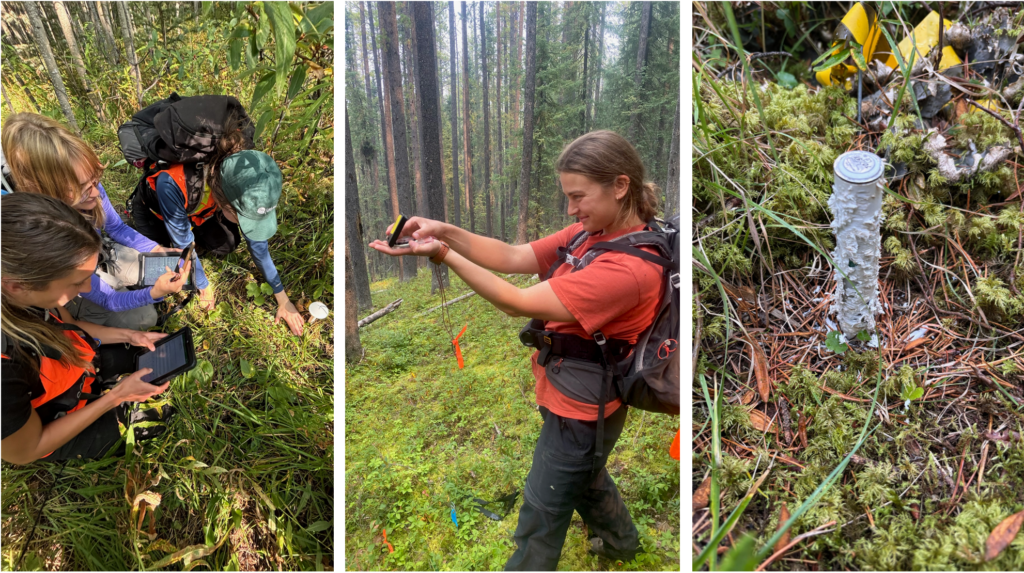
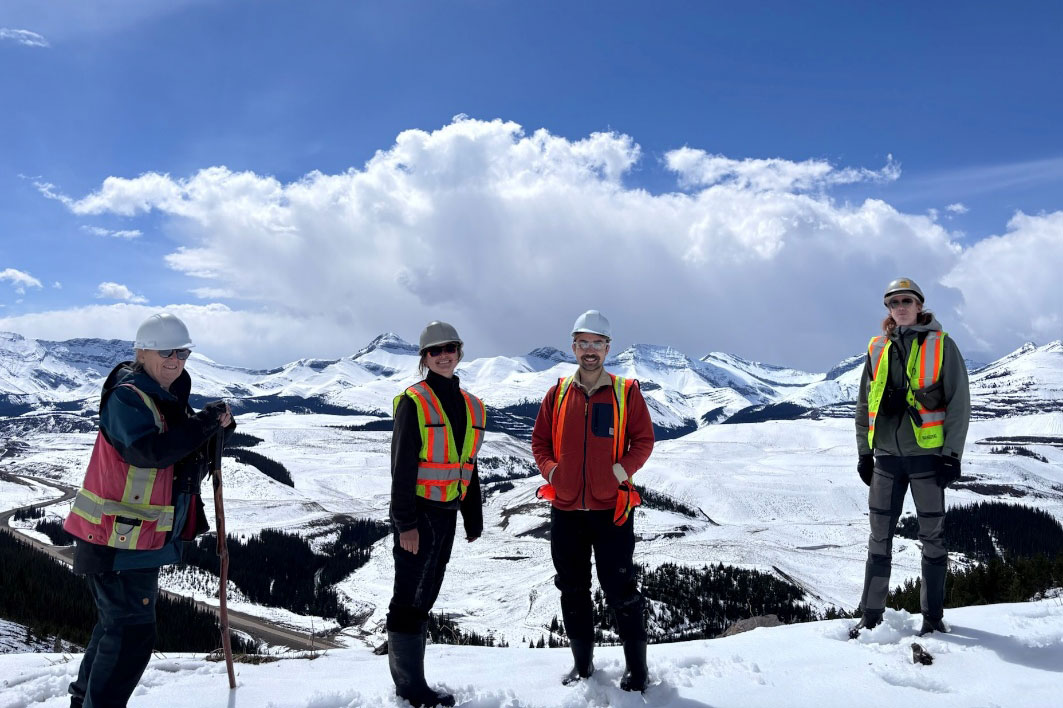
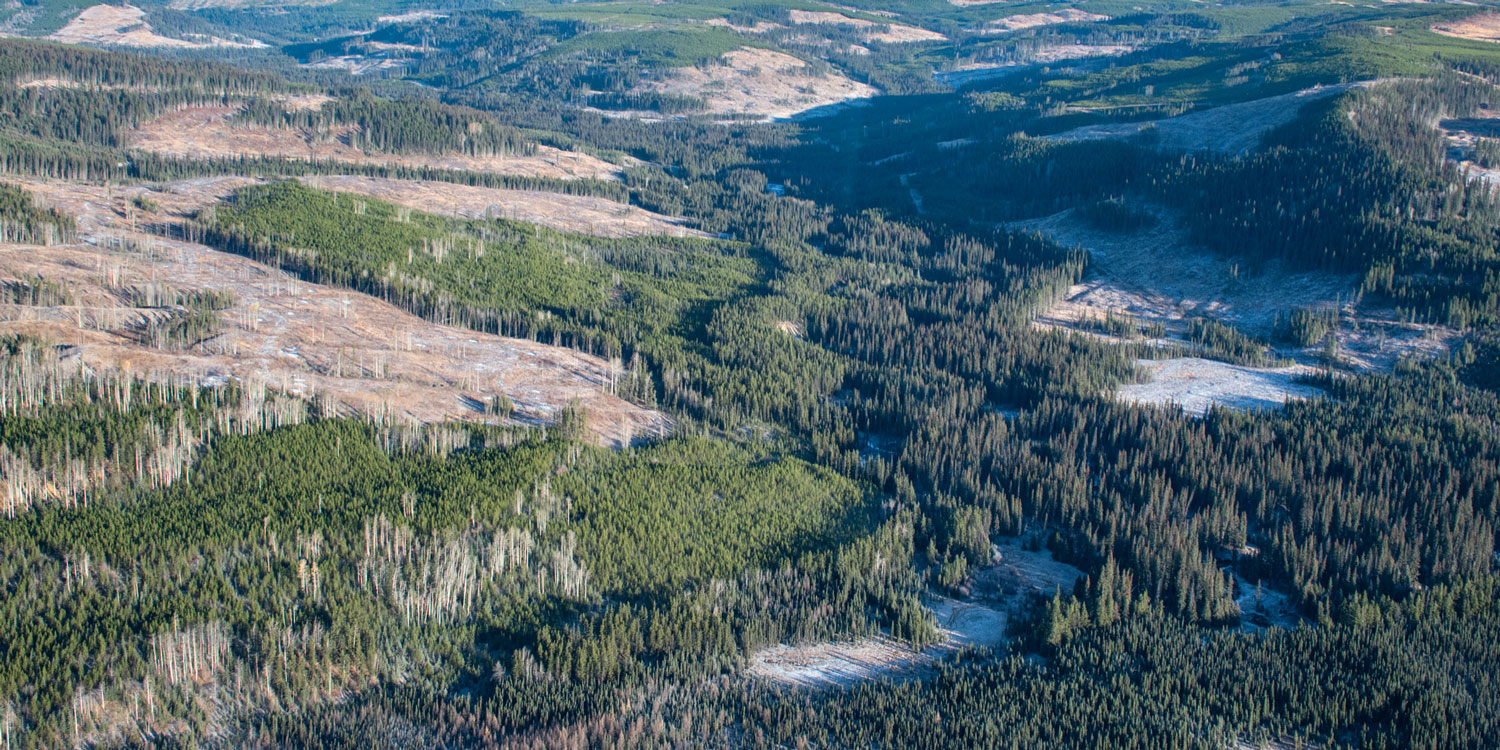
Armed with mostly-accurate coordinates, orange toques visible for miles, and a stash of questionable snacks, the crew headed into the foothills. With 82 sites to visit, and 328 TOMSTs to collect, we quickly learned that “just a quick retrieve” has many interpretations. Some TOMSTs were exactly where the GPS points promised, perfectly installed and easily recovered with one clean tug, the kind of small victory that makes a field tech feel briefly invincible. Others had endured the curiosity of local wildlife: missing tops, bite marks reaching the center wires, or complete relocation several meters away, tucked under vegetation as if to test our perseverance. Between the easy wins and the full-on scavenger hunts through deadfall, dense willows, moss patches of deceit, and slopes so steep we crawled on all fours, our field days were still golden – crisp fall air, endless foothill views, and trail banter that grew louder and sillier as the hours passed, reminding us why we love this work.
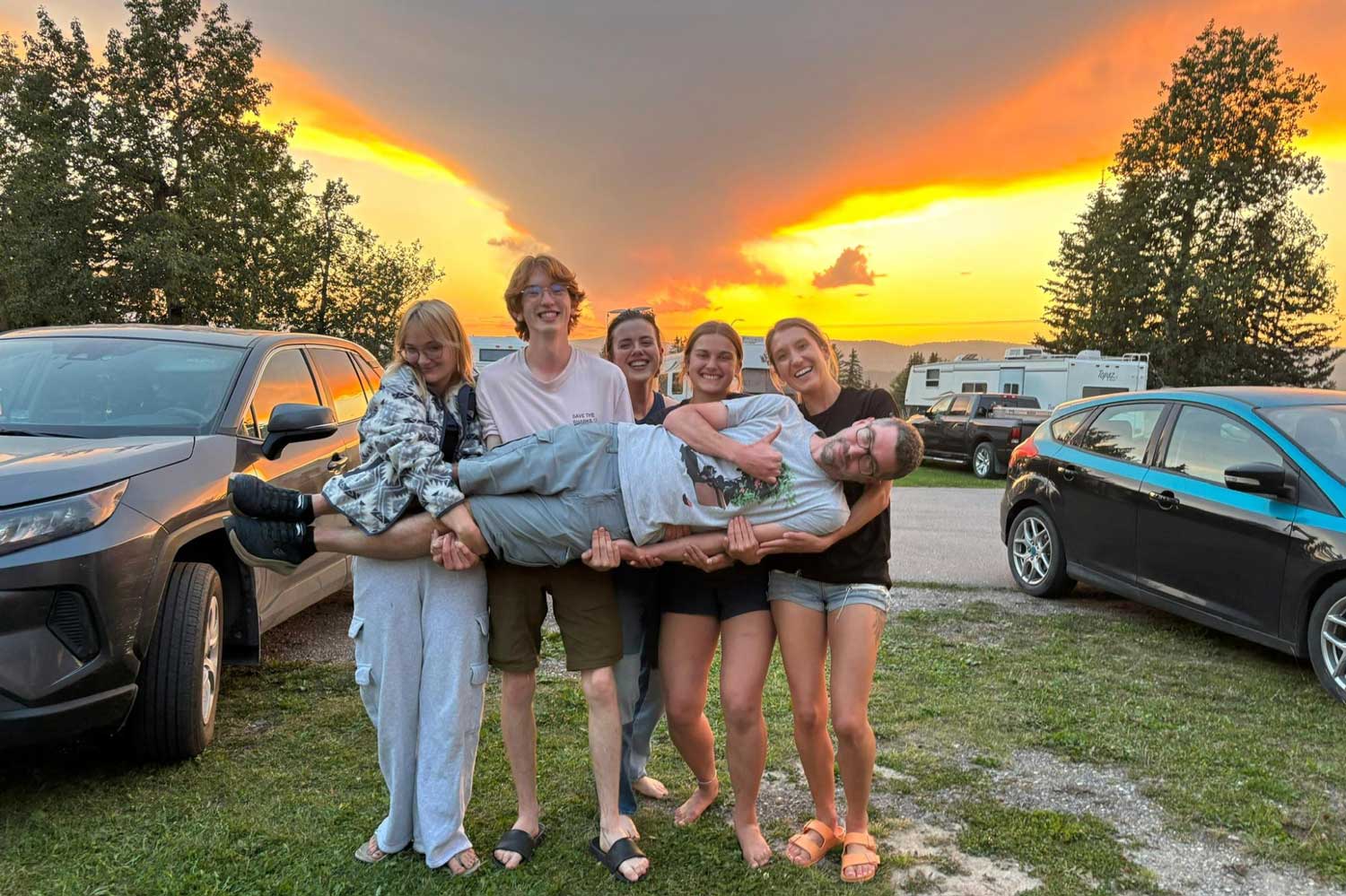
Evenings at the trailer park were equally legendary. Mud and sweat –covered clothes were swapped for cozy sweatpants, and the day’s exhaustion gave way to laughter, storytelling, and sweet treats that tasted even better after hours of trekking through the foothills. Living together meant sharing everything: morning coffee rituals that often included more coffee spills than sips, stories from the day’s triumphs and mishaps, debates over the best Halloween movies (spoiler, Hocus Pocus won). It was a special kind of lifestyle – part field technician, part roommate, and part family.
Family dinners remained a nightly ritual, ranging from surprisingly gourmet masterpieces to dangerously experimental cuisine (usually courtesy of Emma). A few evenings were spent at the Jasper Music Festival – unforgettable nights filled with delicious pizza, amazing local talent, and dancing until our legs could barely keep up. On quieter evenings, the projector came out for outdoor movies: blankets, snacks, and Halloween films transforming our little trailer park into the coziest movie theater imaginable.
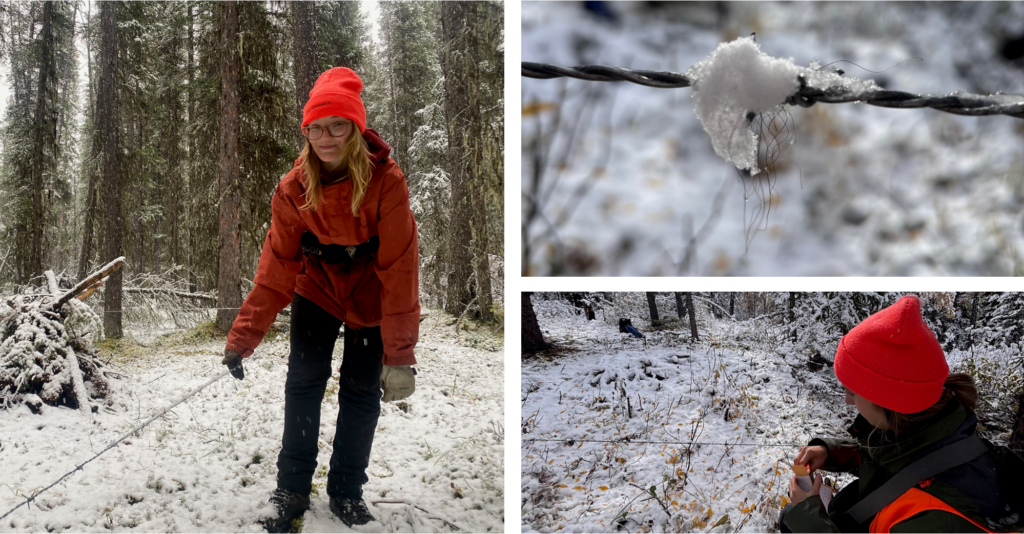
Before long, it was time for the season’s final field task: preparing hair snag sites in Bear Management Area 3, which stretches across the foothills from Highway 16 to Highway 11, for winter. Each site received a thorough spruce-up: fresh batteries in every trail camera, rebuilt bait piles, tightened corral wire, hair samples collected, and fresh scent lure deployed to carry the sites through the snowy months. With increased bear activity, fall delivered incredible trail camera footage, fresh sign at sites, and a noticeable boost in hair samples which was a thrill for us in the field. The final field days brought the season’s first flakes of snow, transforming the foothills into a glittering landscape that made everything feel undeniably magical.
With fieldwork wrapped, we migrated into the warm (and fluorescent) glow of office life, made infinitely better by unlimited hot drinks. This year, the GBMP team collected 5,211 hair samples across all sites. Back in the office, Sierra, Sue, and Emma settled into sorting mode: organizing samples by site, species, and date collected. Of those, 1,956 belonged to grizzly bears. Seeing all the hair samples collected over the summer felt absurdly satisfying—like watching months of sweat, laughter, and mosquito bites transform into thousands of envelopes neatly spread across the conference room tables. After days of sorting and countless podcasts, the samples were prepped for the next stage: selection by GBMP biologists Cam and Kirsty, who determined which ones will be sent for DNA and hormone analysis.
Evenings shifted from outdoor adventuring to indoor basketball games and Survivor watch parties, where everyone loudly defended their favourite players and roasted questionable alliances. The competitive energy that once pushed us up steep slopes now powered us through three-point attempts and TV commentary.
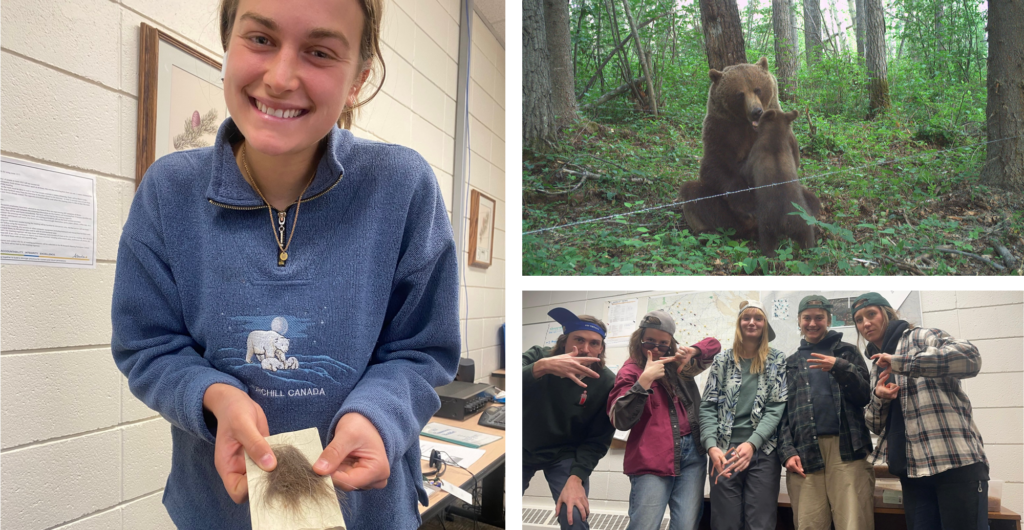
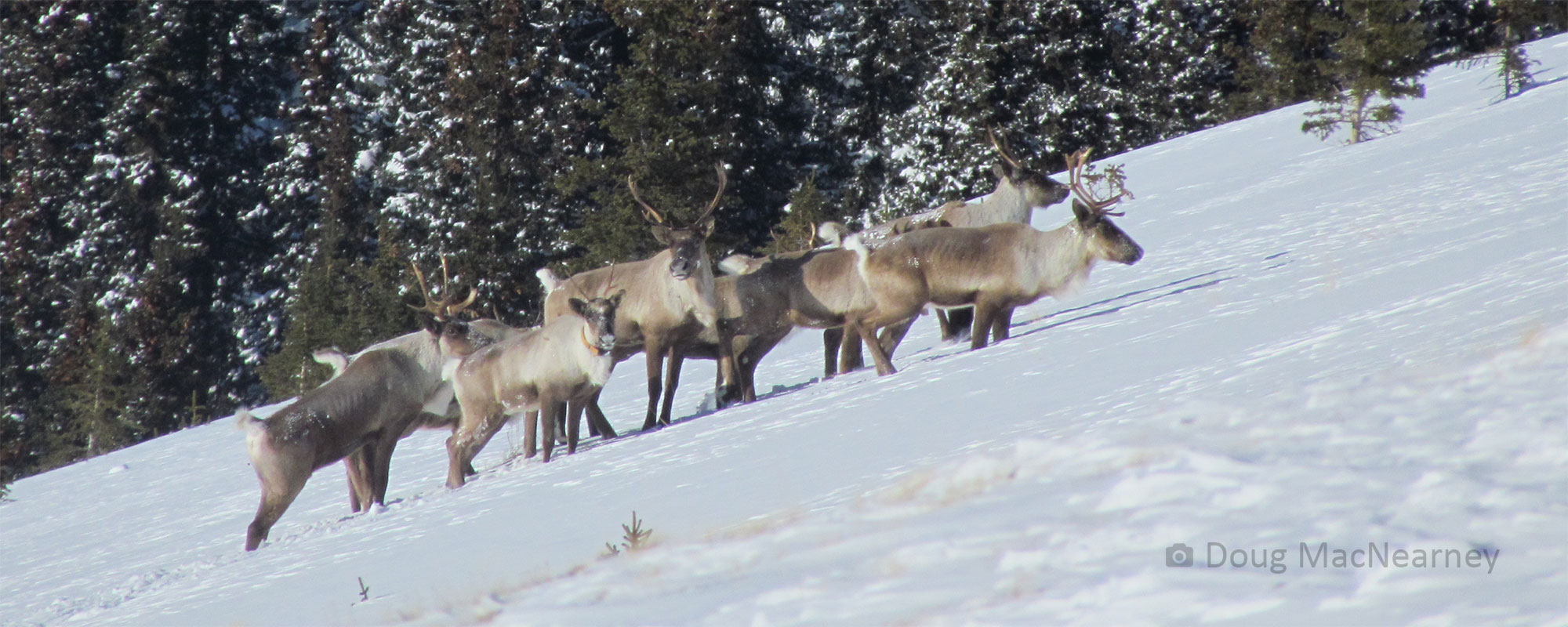
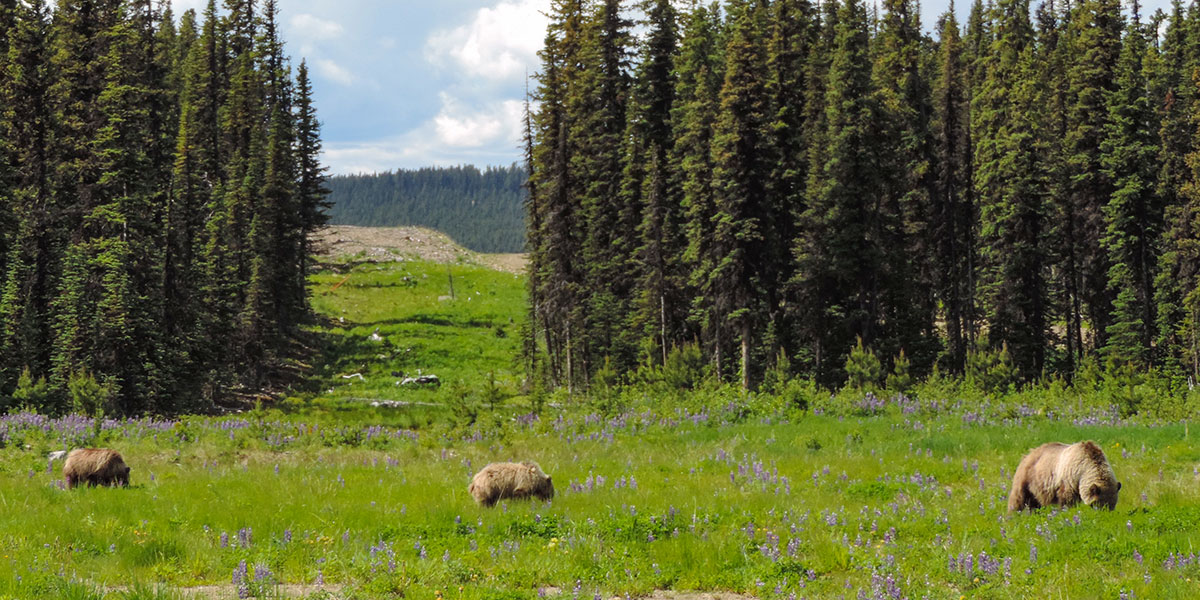
In the office, Kirsty provided training on Timelapse, the program GBMP uses to process trail camera images and record carnivore behaviour. Watching the footage on the big screens was a highlight of office work – each of us secretly hoping to get assigned sites we knew had unforgettable action. More than once, a squeal from someone’s desk drew the three of us together, laughing, gasping, and pausing every few seconds to replay the best wildlife moments. The season’s highlight reel included bear cubs scaling trees, grizzly bears mating, caribou casually strolling through site, a lynx successfully capturing a hare (10/10 stealth), and cougar kittens tumbling over one another in pure sibling rivalry.
Now, as the snow accumulates and the bears settle into their dens for winter, so do we – into our laptops and data sheets. Until spring returns, we’ll keep dreaming of hair tufts on barbs, grizzly tracks along the trail to site, the sweet smell of molasses after a stint of pouring blood, and the first thaw that signals it’s time to head back into the foothills.