Join us as Dr. Laura Finnegan explains results from a 4-year ARCKP-funded project. This webinar has been postponed. A new date will be announced shortly.
Abstract
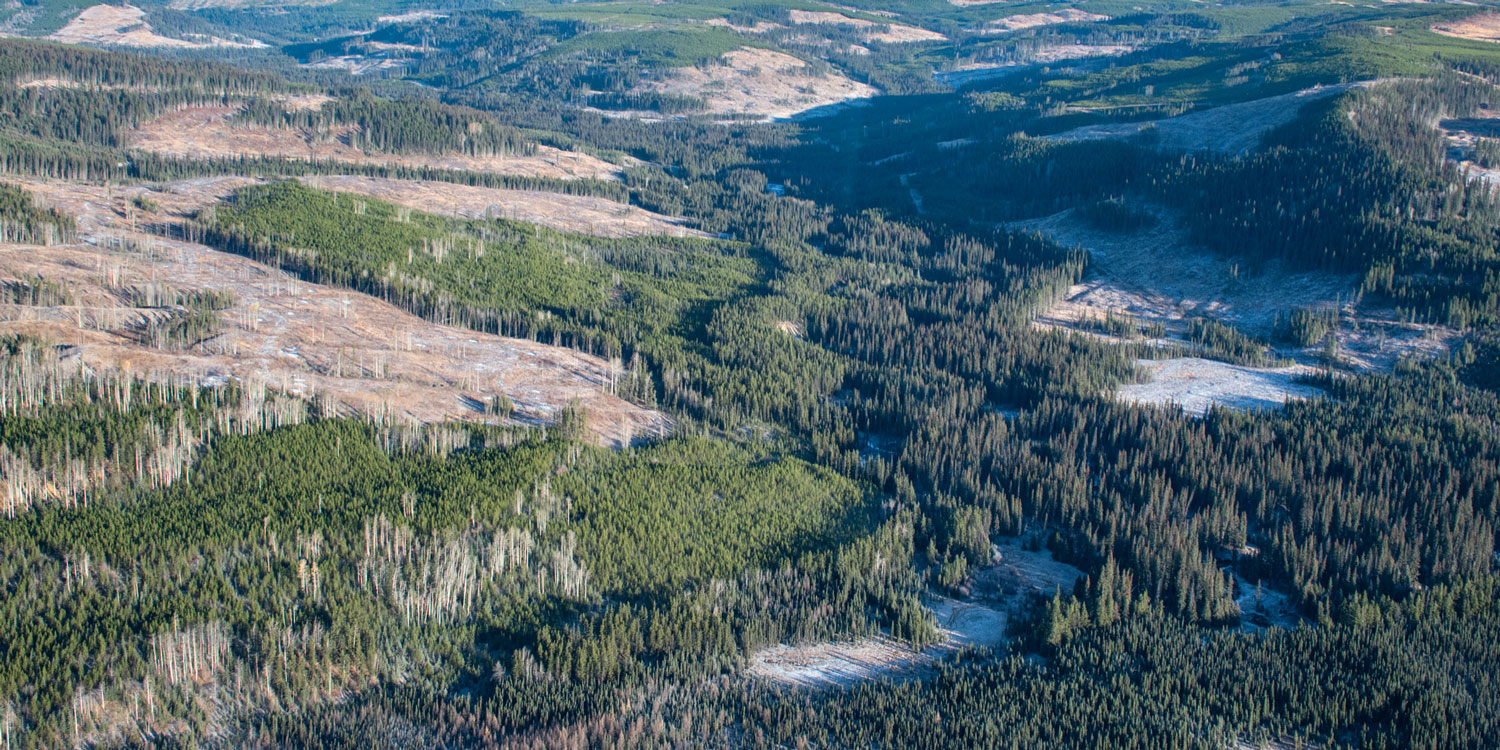
Forest management that includes site-scale forest practices that better emulate natural disturbances like wildfire may help expedite the recovery of functional caribou habitat. In 2021 and 2022, we collected field data from 251 harvest blocks, 264 wildfires, and 256 sites used by caribou. For harvest blocks, we obtained silviculture data from forest partners including stand tending equipment used, planting frequency, density, and species, and stand tending. We then evaluated how silviculture practices applied within harvest blocks influenced the differences in stand characteristics and wildlife forage among harvest blocks, wildfire sites, and stands that caribou use.
We found that the effect of silviculture practices on stand characteristics and wildlife forage among harvest blocks, wildfire sites, and caribou use sites varied across natural regions and ecosites. For example, in the Foothills, silviculture practices such as blade/plow, or disk/drag site preparation could reduce some of the differences in stand characteristics and wildlife forage between harvest blocks and caribou use sites. But patterns were complex, and in some cases silviculture practices had opposite impacts on values of interest. For example, in the Central Mixedwood, herbicide application rates ≥6 L/ha decreased the differences in stand characteristics between blocks and wildfire sites but increased the availability of moose and bear forage in blocks when compared to caribou use sites. However, sample sizes for some strata were very low and further data are required to confirm the patterns we observed.
Presenter
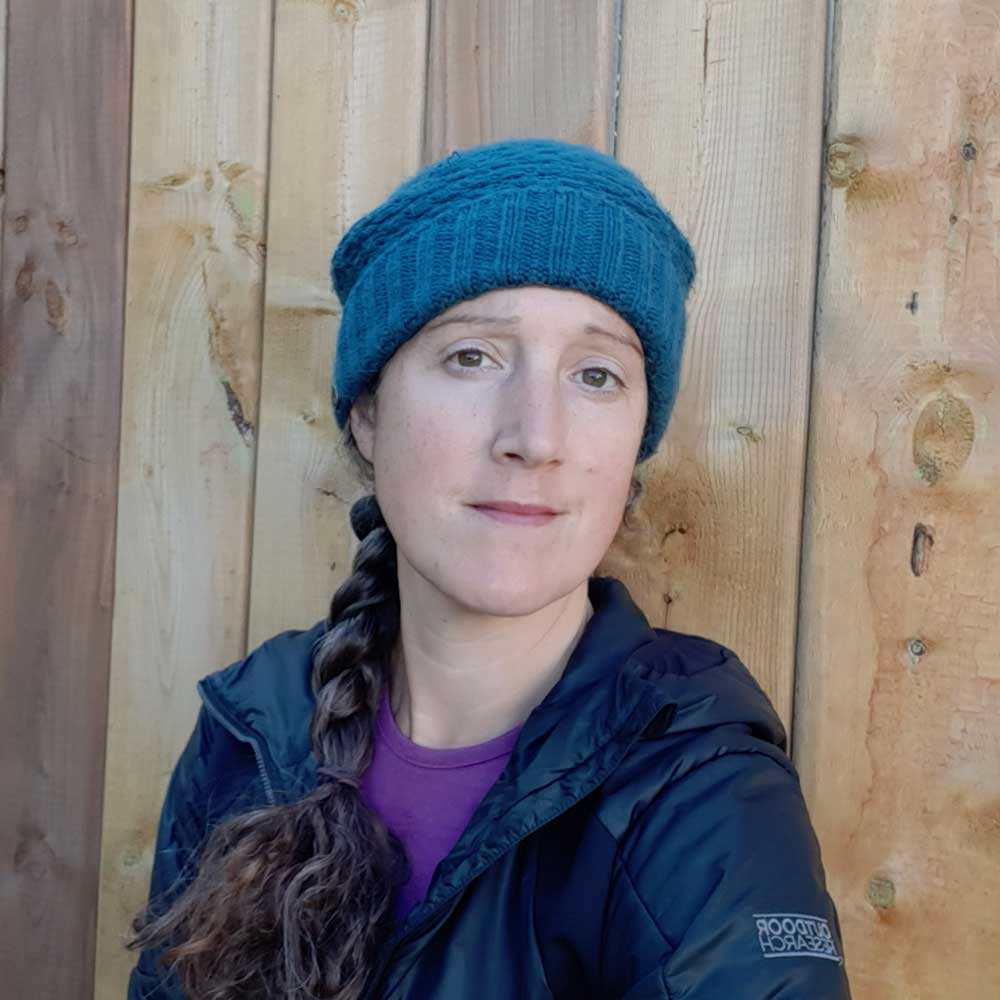
Dr. Laura Finnegan
Laura has been the lead researcher of the Caribou Program at fRI Research since 2013 where her focus is on applied research related to caribou and other ungulates. She has a PhD in Zoology from Trinity College Dublin, Ireland and completed her postdoctoral research at Trent University, Ontario. Her research interests are wildlife ecology, conservation, and the interactions between wildlife and landscape disturbance, with a specific focus on boreal ungulates.