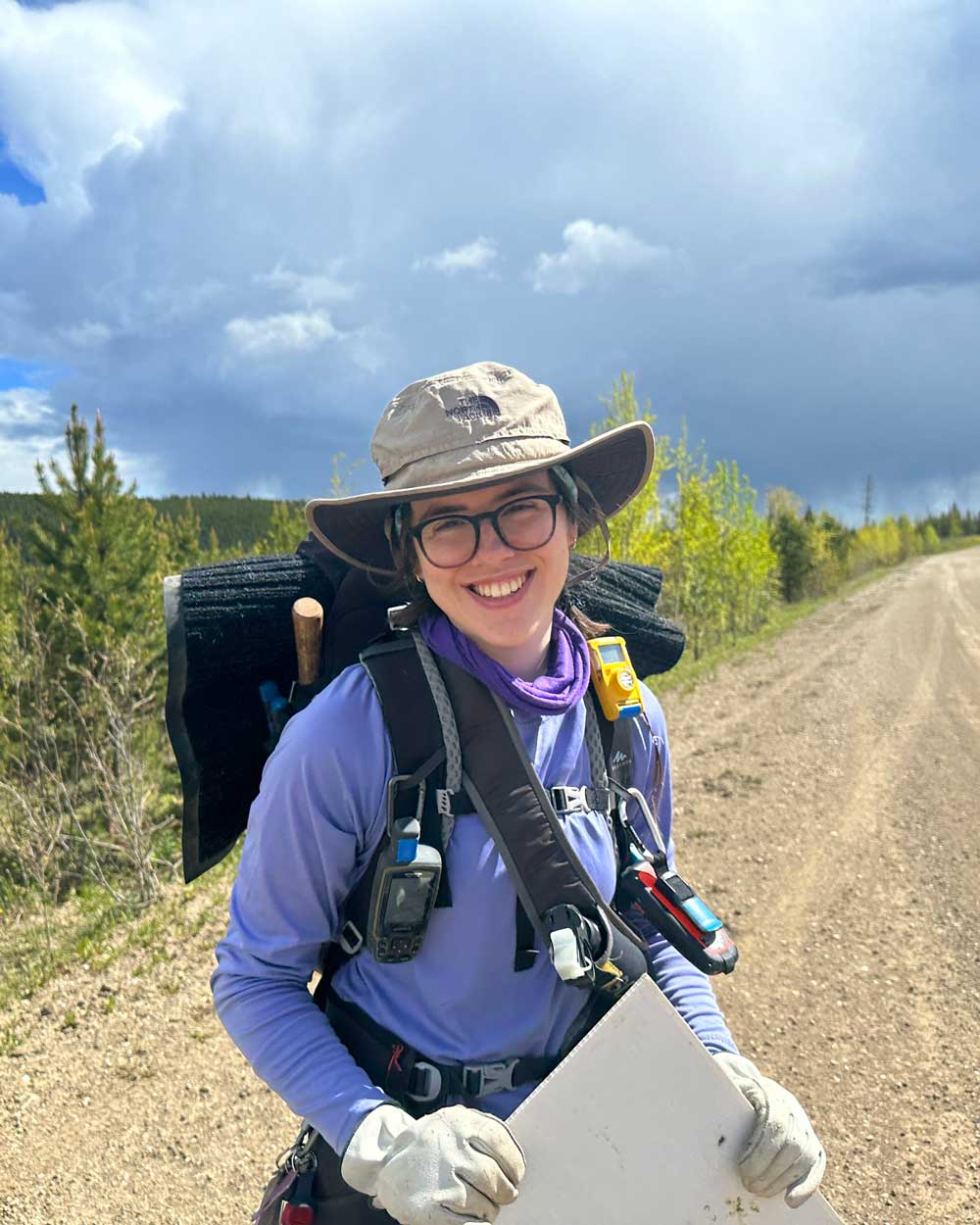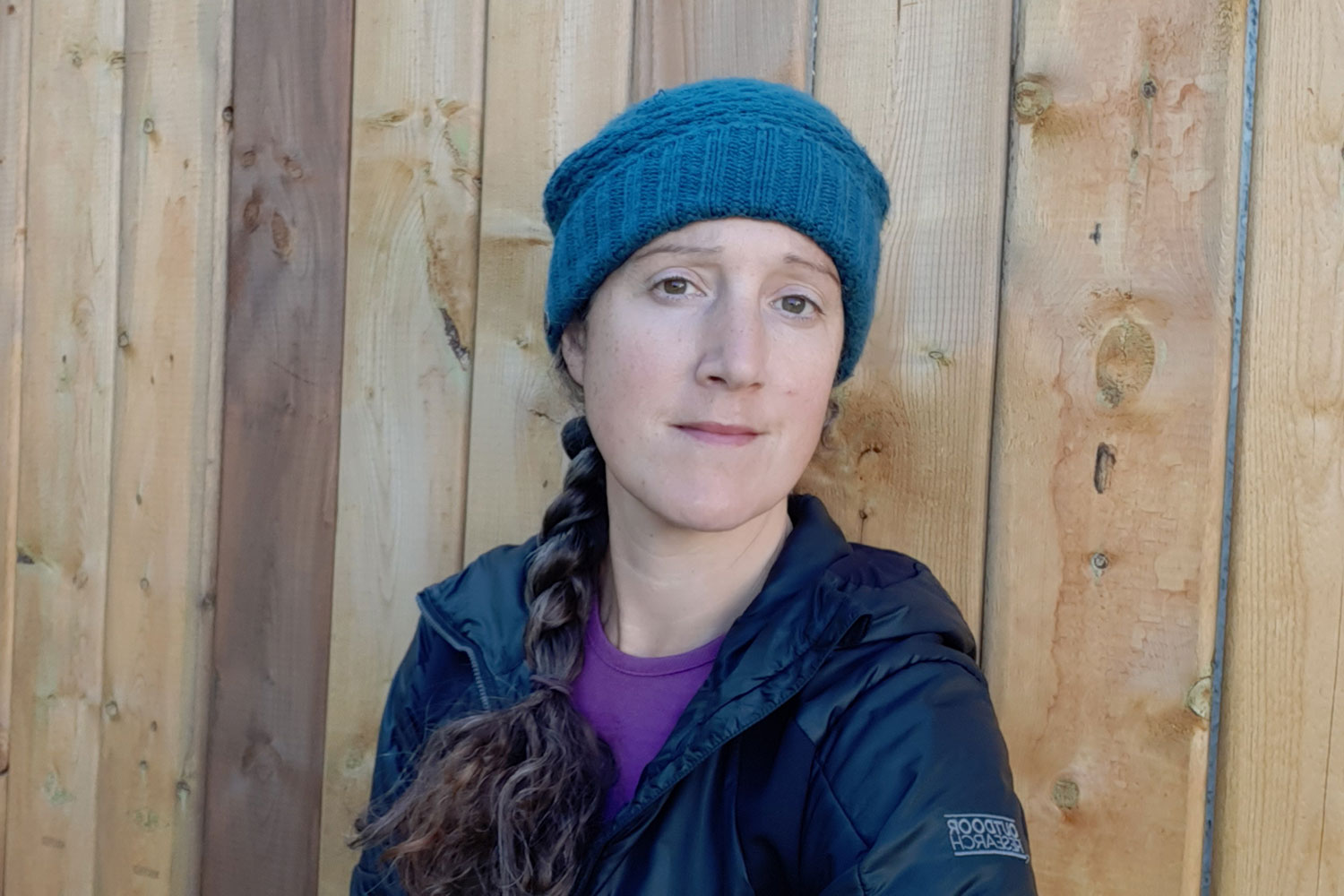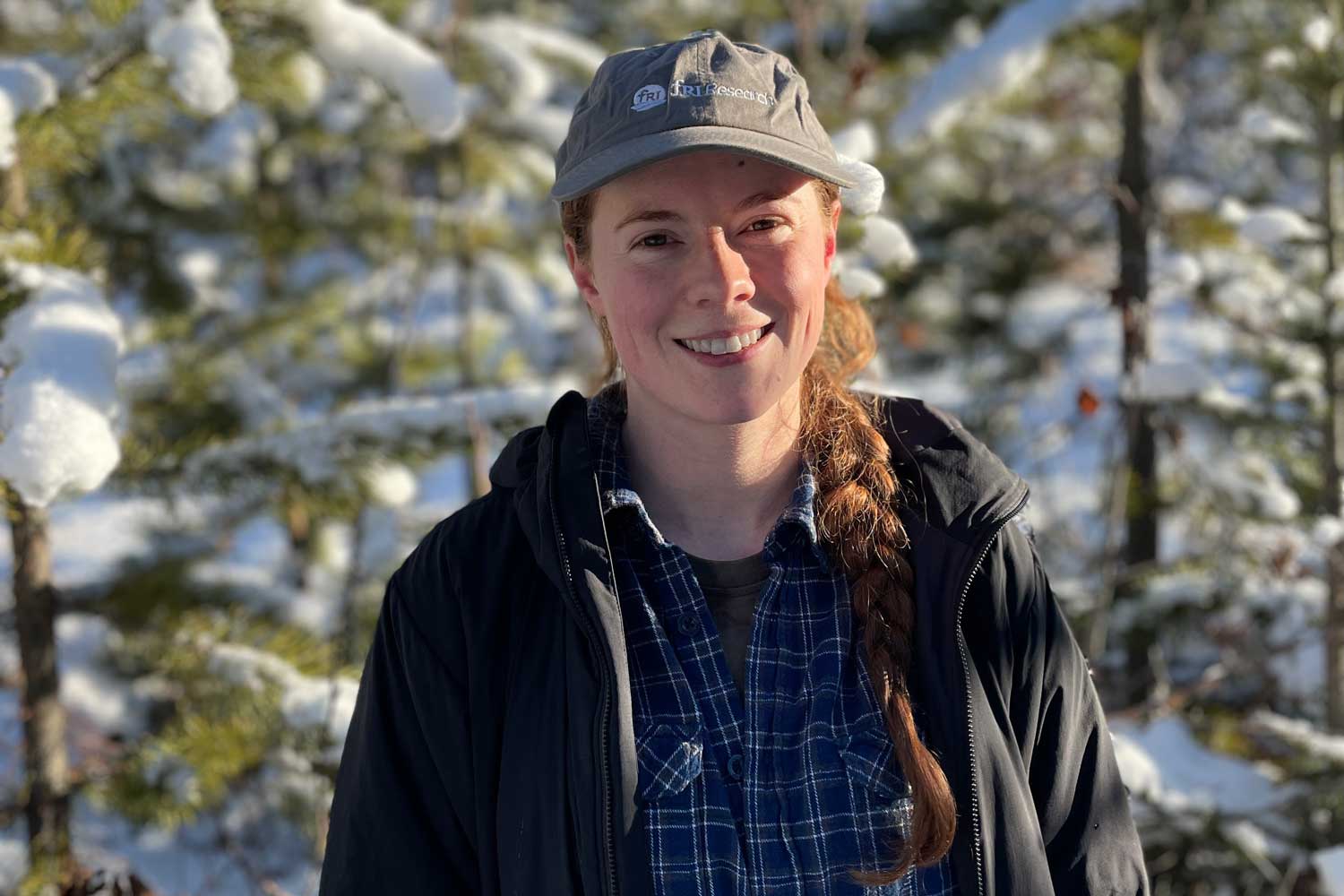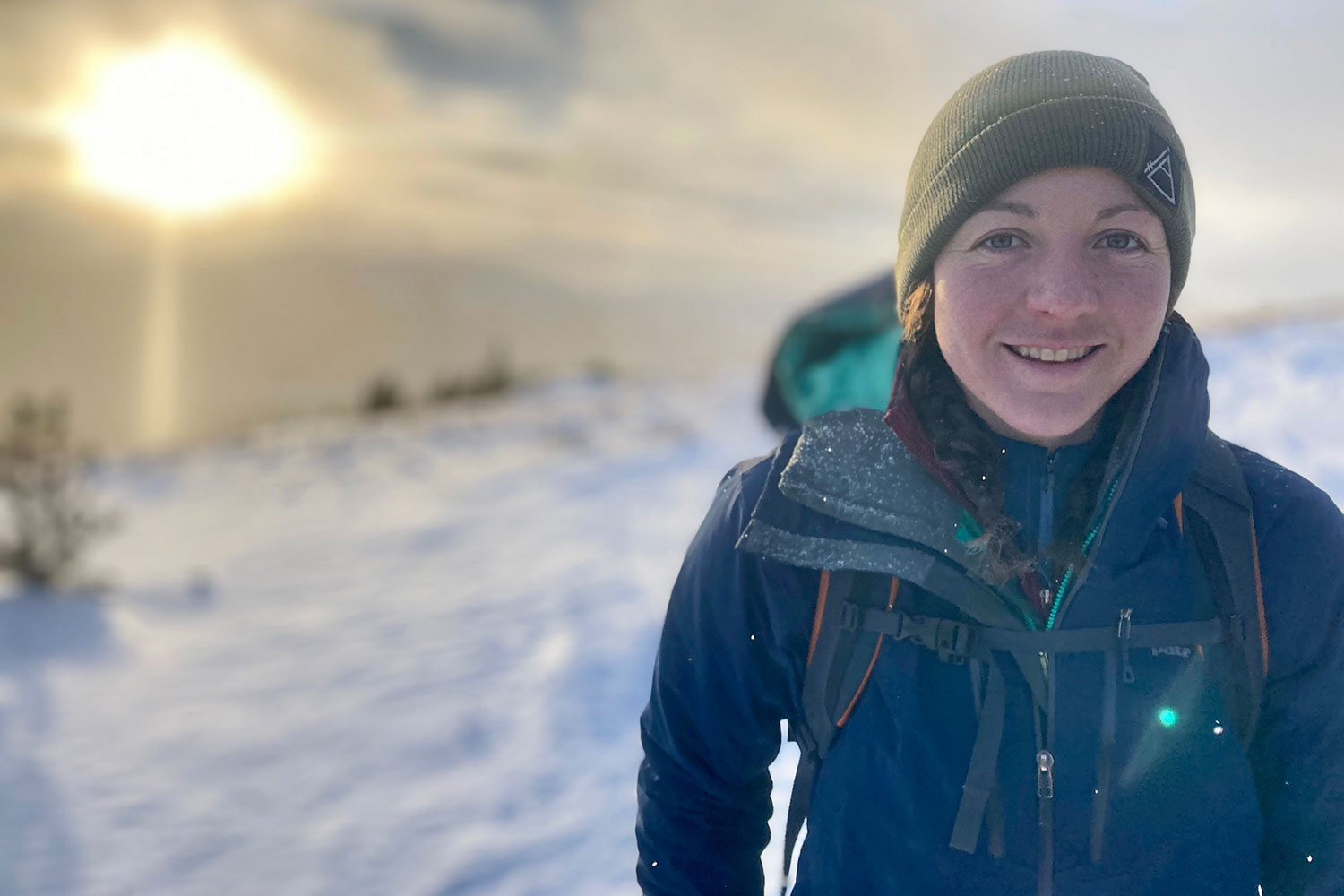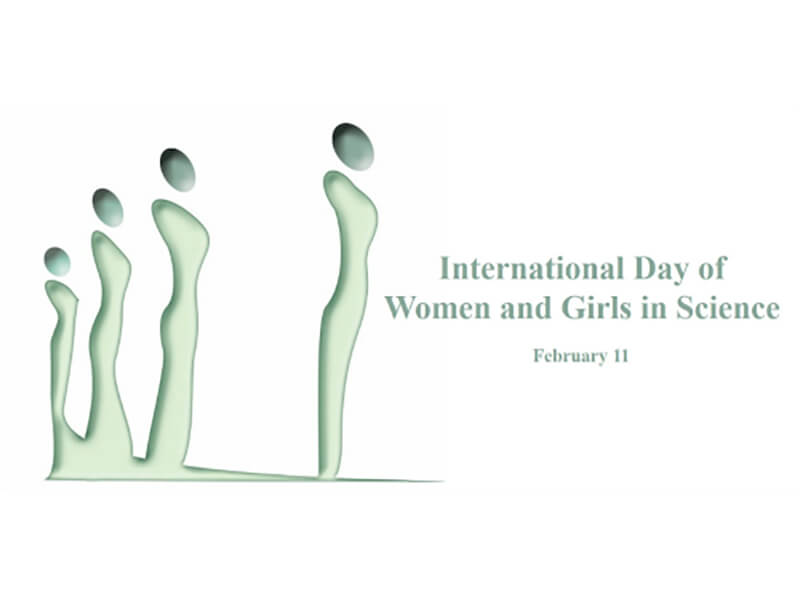
Today, February 11, marks the eleventh anniversary of the United Nation’s International Day of Women and Girls in Science. The goal of this day is to promote gender equality in the sciences by elevating the voices of women currently in science and empowering girls considering this field as a potential career. As such, we wanted to highlight the experiences of three of our biologists as they have moved through their career as a woman in science.
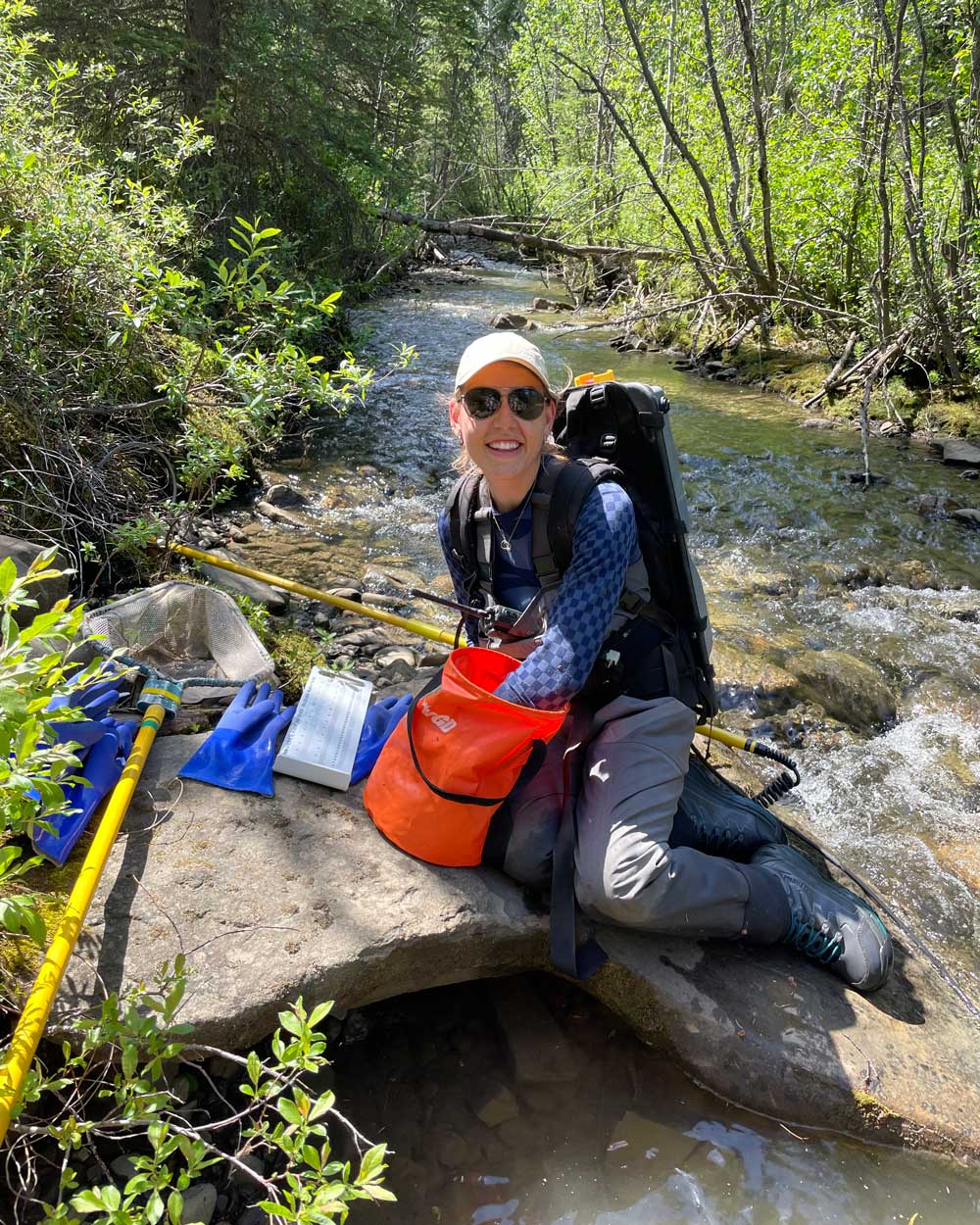
Claire Allore, Water and Fish Program
What is your role at fRI Research?
I am a Biologist on the Water and Fish team. I wear many hats, but put simply I help oversee, plan, execute, and report on multiple projects run by the Water and Fish program.
What inspired you to become a scientist?
I LOVE biology and from a young age was always outside enjoying nature. As time progressed, I wanted a job that kept me outside and allowed me to protect the environments that I enjoyed. Science was a natural avenue for me.
Who is a woman in science you look up to?
There are many women in science that I look up to. One at the start of my career was Giulia Rossi (a then PhD student now postdoctoral fellow). Despite her insane workload she still made time to help guide, support, and encourage me to be successful with my own work.
What has been the most challenging part of being a woman in science? What has been the most rewarding part?
It is quite common to be dismissed and not heard when you have something to say. As a result, being able to self advocate has been one of the most challenging parts. The most rewarding part has been seeing more young women continue to join the science world.
What advice would you give to girls and women considering a career in science?
If you are passionate, take the plunge! Reach out and make connections, in my experience there are often many people willing to help and support you in your choices!
Arya Horon, Caribou Program
What is your role at fRI Research?
While I am a biologist on the caribou team, I primarily study moose and how they use the landscape!
What inspired you to become a scientist?
Growing up in Edmonton, I fell in love with animals during visits to the Valley Zoo. From there, I knew I wanted to spend the rest of my life working with animals in some capacity. Originally, I had thought that the only animal-centered career option available to me was to become a veterinarian, and it wasn’t until I took an introductory biology class with a very enthusiastic university professor that I realized I could make a career out of studying animals in their natural environments. From that moment on, I was sold.
Who is a woman in science you look up to?
I have been fortunate to have worked for and alongside many incredible women in STEM, but my number one inspiration for my scientific career has always been Dr. Jane Goodall.
What has been the most challenging part of being a woman in science? What has been the most rewarding part?
While wildlife biology has made incredible strides in terms of representation for women in the field, choosing this career path still has its challenges. I have been in many rooms where people automatically defer to the men present even if I’m leading the project, or where my thoughts are initially overlooked and I must fight harder to make my voice heard. I echo Claire’s sentiment that being able to self-advocate is one of the most valuable skills you can have in this field, regardless of your gender identity. The most rewarding part of the job is getting to share my love for science and wild places with the next generation of aspiring scientists, especially the young women.
What advice would you give to girls and women considering a career in science?
Do it! There are so many directions you can go within the field of science, so if something inspires you, chase it with all you’ve got.
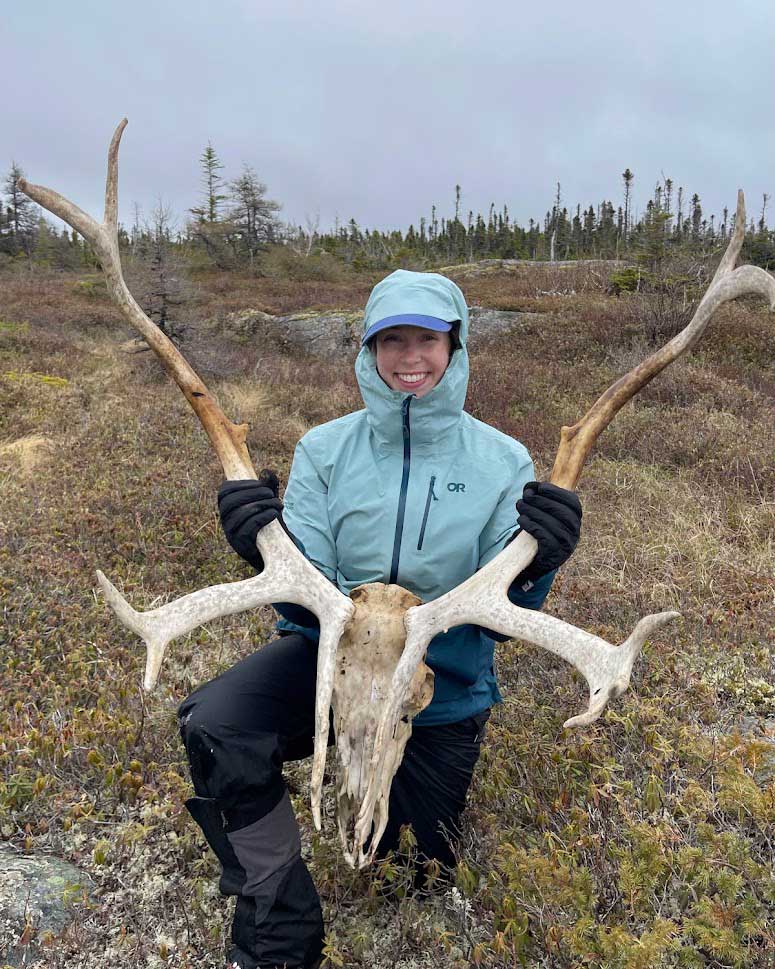
Kirsty McFadyen, Grizzly Bear Monitoring Program
What is your role at fRI Research?
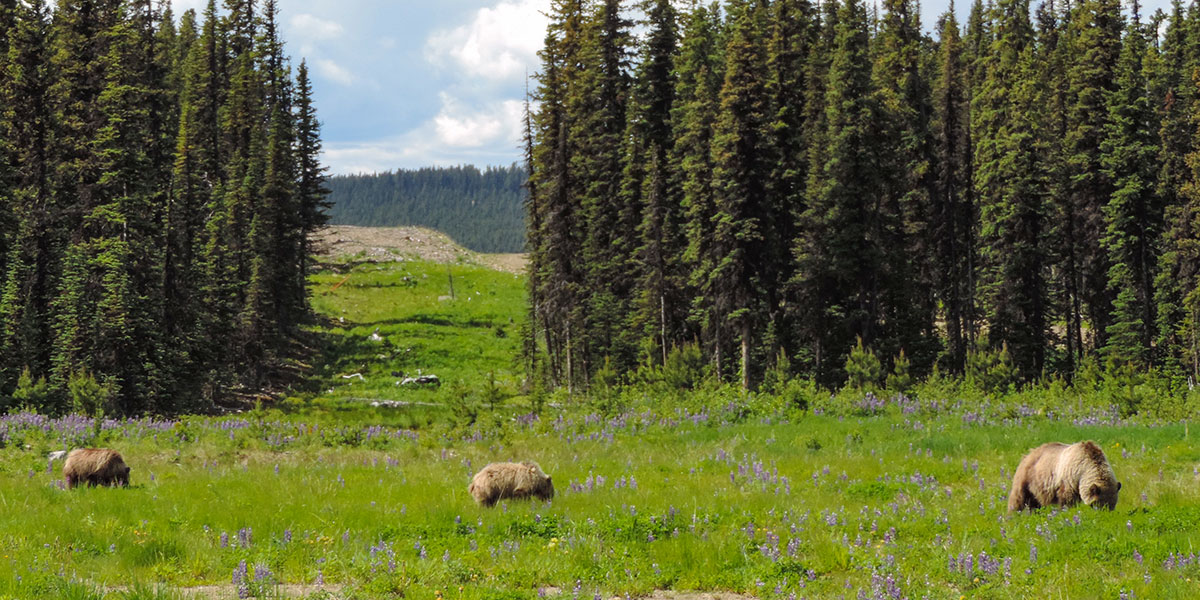
I’m a biologist on the grizzly bear monitoring project at fRI Research. I lead our camera trap image processing (often this means going through thousands of photos of rabbits to see just one grizzly bear), help manage our data and assist in coordinating fieldwork with our all-star field technicians!
What inspired you to become a scientist?
My love for nature inspired me to become a scientist! I spent a lot of time outside growing up and asking questions about what I was seeing. This line of work is a great fit for me because it combines problem-solving with working outdoors.
Who is a woman in science you look up to?
Dr. Jenny McCune, Jenny Burke and Dr. Elizabeth Schultz at the University of Lethbridge are some kickass women in science. I really admire the passion they share for their subjects, which definitely encouraged me to pursue science as a career.
What has been the most challenging part of being a woman in science? What has been the most rewarding part?
One of the most challenging aspects in science is imposter syndrome. I’ve learned this is a more common experience than I thought and the only way through it is to keep moving forward anyway. The most rewarding part of science is engaging directly with the environment while working in a great team. I get to hike through the woods to sites where I collect hair from grizzly bears that stood exactly where I’m standing and share all the fieldwork hijinks with a field partner.
What advice would you give to girls and women considering a career in science?
Go for it! Science is an incredibly broad and rewarding discipline. Pursuing ecology in particular has taught me a lot about the natural world and myself. I’m grateful for all the summers I’ve spent outside working in the field!