
Dr. Laura Finnegan, fRI Research Caribou Program lead, shares insight into what the Caribou Program is and why they are conducting research into how linear features influence predator-prey dynamics.
Transcript
Brianna Lyman:
Welcome to All Things fRI Research. I’m Brianna Lyman, the Summer 2026 Science Communication Intern. In this mini series, I’m bringing you stories across some of the organization’s research programs and technological services. Today, we’re talking to Dr. Laura Finnegan, head of the Caribou Program. Together, we explored one of the major issues facing caribou. Caribou are recognized to be a species at risk across Canada.
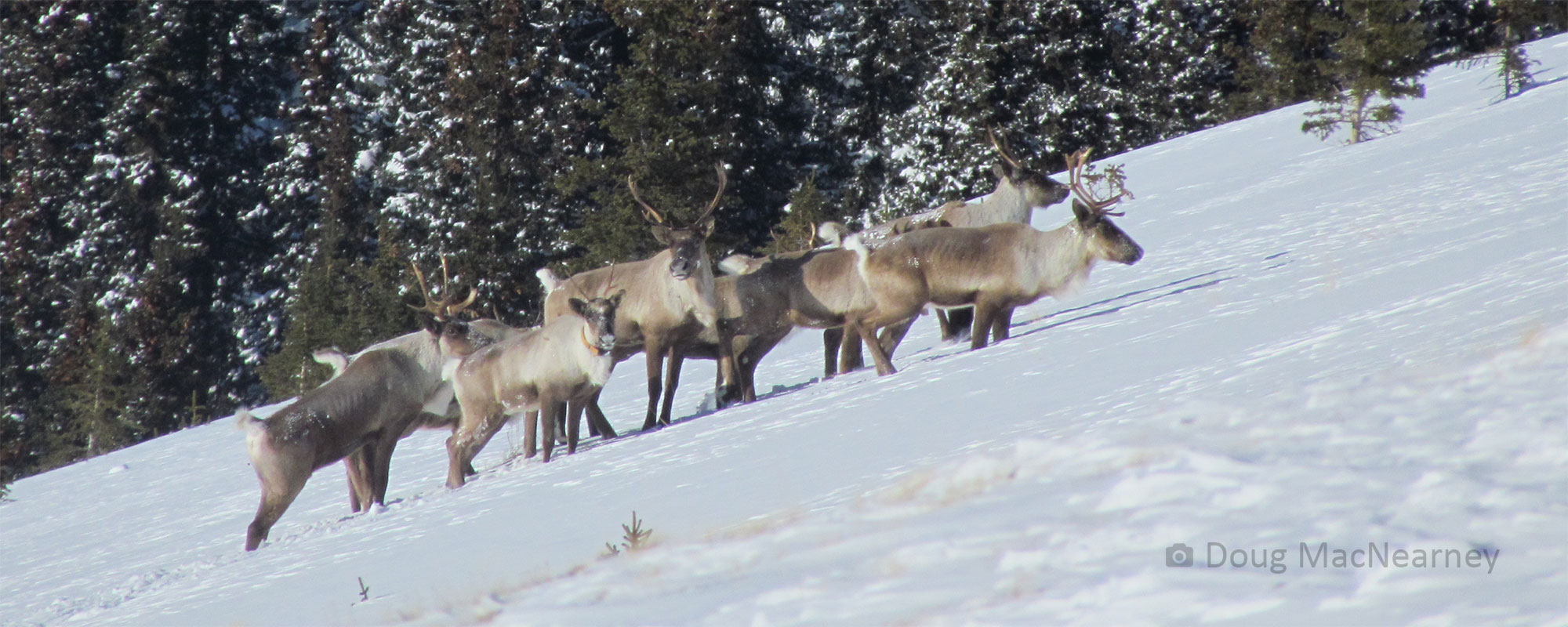
The woodland caribou in Alberta can be divided into two different ecological groups — boreal and southern mountain caribou, which are listed as threatened or endangered depending on the jurisdiction. Caribou are old growth forest specialists, relying on intact boreal forests for food and protection from predators necessary for survival. Of concern, human industrial activity has fragmented those mature forests, where species previously separated are now likely to overlap.
Dr. Finnegan:
Historically, caribou would have been in areas of the boreal forest that had mature trees, old growth, and then in other areas which are younger forest areas that might have had forest fires in the past, or like insect infestations or blowdown. That’s where the moose, deer would have been hanging out. And then if you’re a predator, you really want to be where more prey is because that’s- that’s going to be- going to increase your odds of having a full stomach.
So because moose and deer and elk are kind of on these landscapes historically and in areas with younger forest at higher densities, and then they often have twins, the predators would tend to be in the areas where the moose, deer and elk are rather than where the caribou were. But what we have had with human activity and human footprint on landscapes, we’ve messed that up.
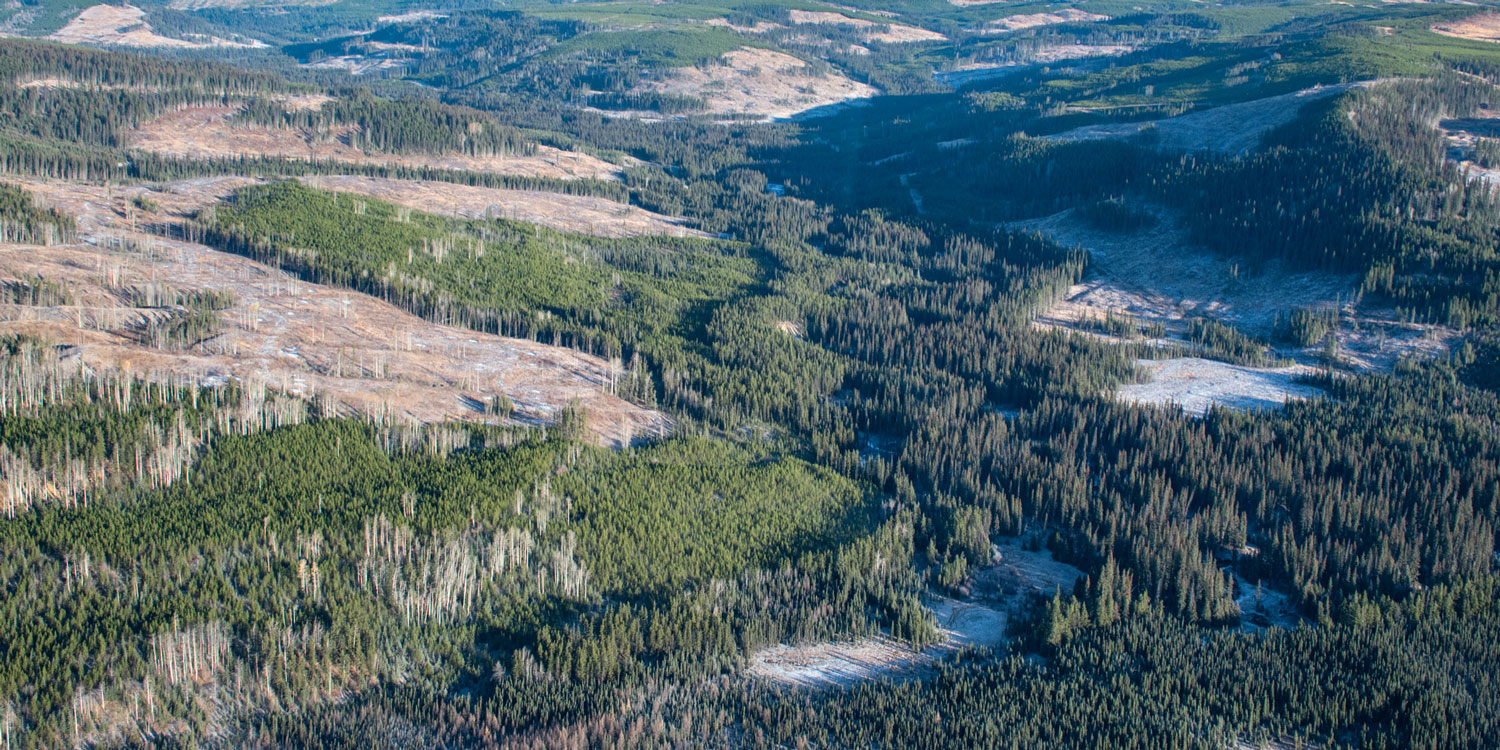
So instead of having these pockets of young forest and separated from that, we have pockets of old forests where the caribou are. We now have everything kind of mixed in with one another. So we have these linear features which are these younger forest and cleared areas kind of transecting across mature forest that caribou use. So that means that the predators that would historically have hung out where the moose, deer, and elk, are. They’re still hanging out where the moose, deer and elk are. But now the moose, deer, and elk are more likely to be kind of interspersed within that old growth habitat that caribou use.
Brianna Lyman:
Linear features are long, narrow human footprints often made by oil and gas or forestry companies, in accessing and extracting natural resources. This includes such features as pipelines, seismic lines, and roads that create clearings through the forest. One area of focus for the caribou programs research has been seismic lines due to their long lasting impact.
Dr. Finnegan:
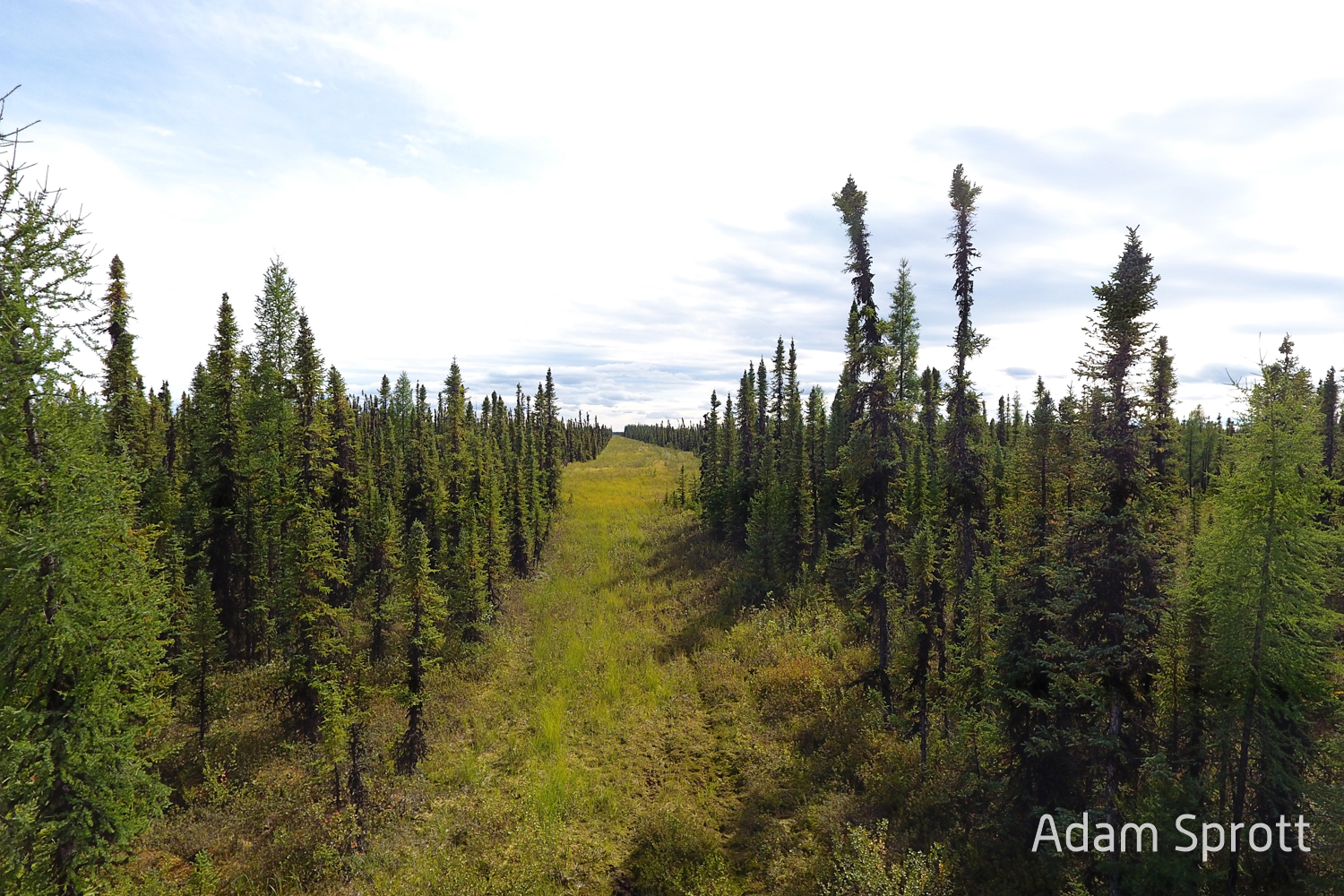
So seismic lines are long, narrow linear features that are cleared through the forest to figure out where to do extraction in the future. And so the more recent lines are quite narrow and they’re kind of more windy. They don’t create a huge footprint, but a lot of the older seismic lines, which are also called conventional seismic lines, are quite wide and quite straight.
And when they were made, there was a lot of human disturbance. There was a lot of soil compaction of those lines. So even though they haven’t been used for decades, a lot of them are still open clearings in the forest just because of how they were built.
Brianna Lyman:
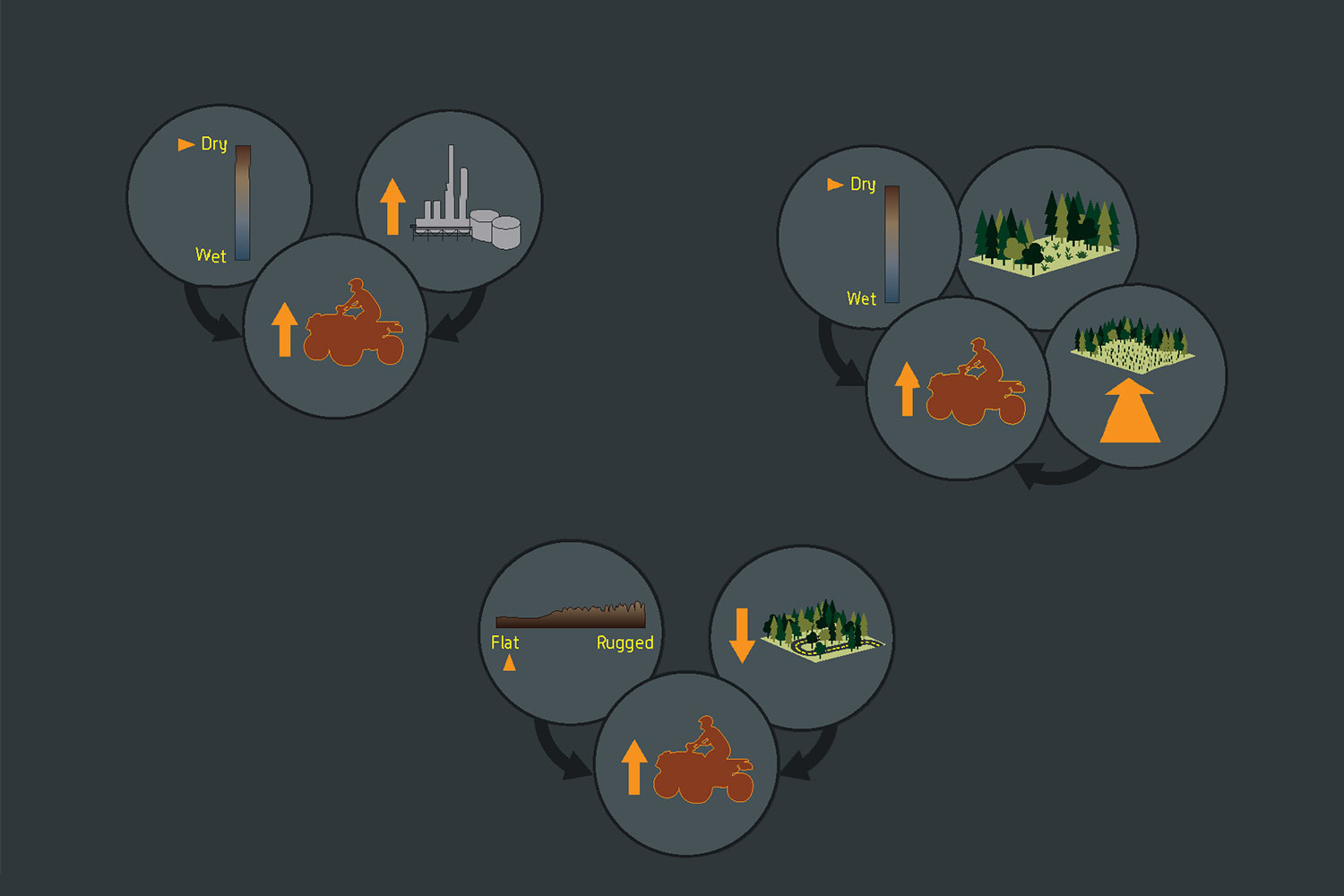
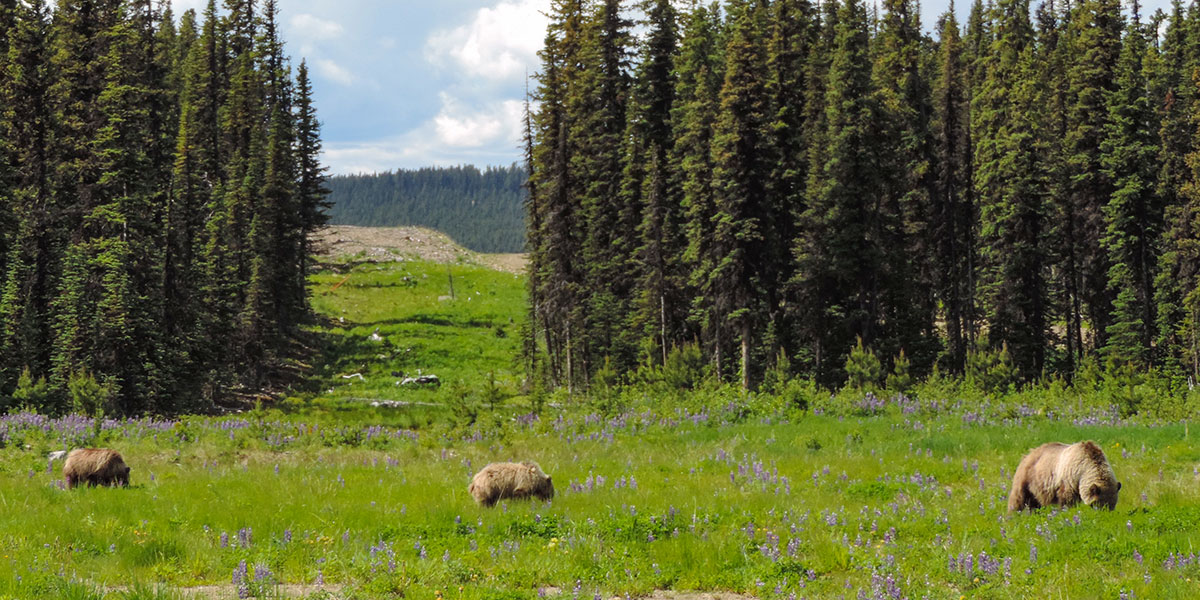
Soil compaction has been heightened with continuous human activity, such as driving off highway vehicles like ATVs along the path. But even without human activity, seismic lines decades after being developed still have significantly different vegetation on them than the intact boreal forest. Notably, the vegetation along linear features are often the preferred food of opportunistic omnivores like bears. This vegetation also draws in moose, deer, and elk, and with them — they’re predators.
Dr. Finnegan:
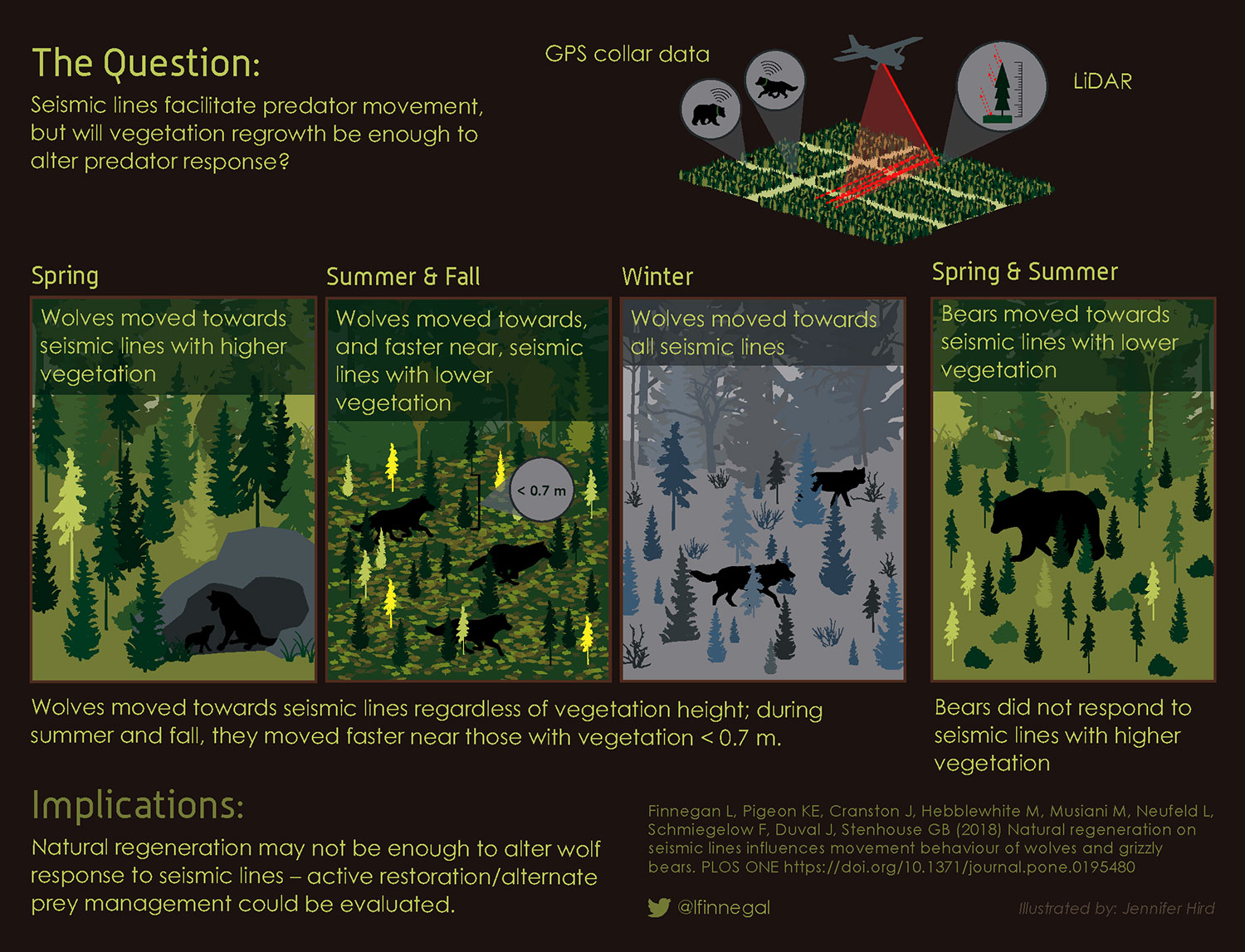
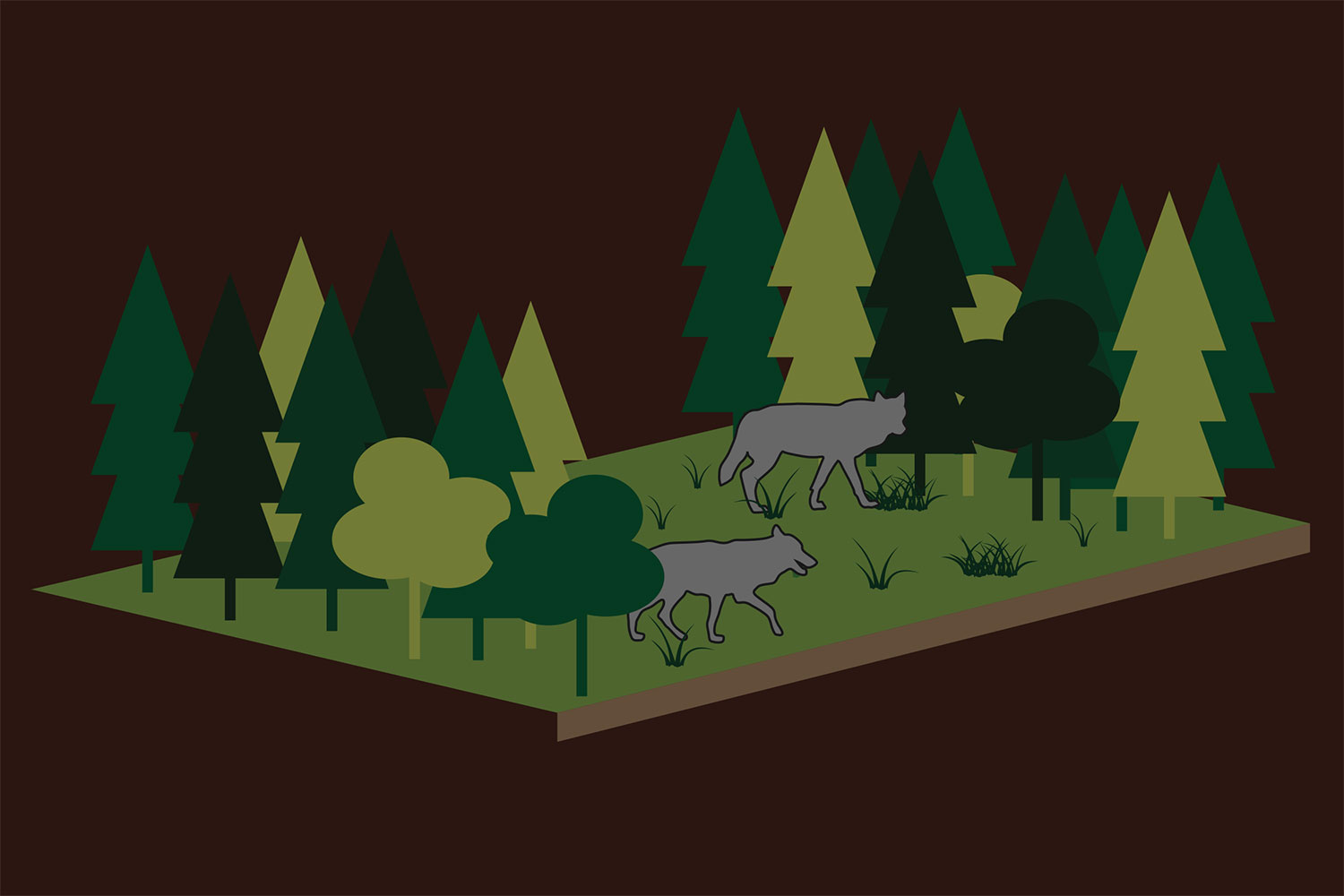
So there’s a lot of focus on seismic line restoration within caribou ranges because we know that caribou predators, specifically wolves, but other predators as well, use those seismic lines, those nice long clearings throughout the forest to run down. So yeah, if you just picture like trying to move through a forest, it’s a lot easier to follow a trail than it is to bushwhack through the forest.
So yeah, these linear features really help wolves hunt more efficiently. They also have a lot of different forage on them, so they attract species like moose and deer. And then all this modeling that’s been done by various different groups have shown that caribou are more likely to encounter wolves when they’re closer to trails and these linear features. And then there is associations between the density of these linear features on the landscape and survival of caribou and population increases.
So yeah, that’s kind of it in a nutshell. They- they produce these highways that wolves can really move faster along throughout caribou ranges.
Brianna Lyman:
With the long lasting impact of linear features. The ultimate question surrounding caribou conservation remains.
Dr. Finnegan:
The ultimate question remains when is a linear feature not affecting caribou? And unfortunately, I think that’s one of those questions that can only be answered with time. Everyone wants to know how, like when can we say yes, we’ve done it, it’s restored. But even though that’s going to take time to answer, it doesn’t mean we should wait. So there has been a huge amount of work on the ground to restore linear features to kind of break up these movement paths so humans and predators aren’t using them to travel and to break up that compacted soil in various different ways so that trees are more likely to grow on them and vegetation. And then there’s a lot of planting going on as well.
Brianna lyman:
Helping inform this restoration work is the in-depth research the caribou program has pursued, and understanding the multi variables at play in the linear feature story.
Dr. Laura Finnegan:
All of the research that we’ve done within your features has really only been possible because of partners that we work with that are willing to share data. So our first linear feature project used a combination of LiDAR, which was provided by the Government of Alberta, and animal GPS data, which were provided by University of Montana, University of Alberta, Calgary, and also the Government of Alberta.
And so, because those partners were willing to share those data, we were able to look at movement of different species relative to regeneration on seismic lines. But we also had field crews out collecting data. And our field crews are a fundamental part of our program, and they have been since the very beginning. They’re the ones out there all summer getting bitten by bugs and bogged down in mud.
And those field crews collected data on human use on seismic lines. They also put up trail cameras to monitor wildlife and human use. And they also did extensive vegetation measurements on these many features. So our linear feature focus projects did use all those different types of data to answer those hypotheses: animal GPS data, remote sensing LiDAR data, and- and those field data that we collected ourselves.
Brianna Lyman:
Complex issues call for complex solutions. And just like collaboration was key to getting a fuller picture of the issue at hand, Doctor Finnegan suggests collaboration is also key to effective caribou conservation.
Dr. Finnegan:
I think the key is working with different groups and different expertise and being curious and learning from one another. So we can’t just have wildlife biologists. We need wildlife health specialists involved in that research too. Thinking about climate change. We need fire specialists working with the biologists. So, so really forming these interdisciplinary teams and being able to leverage everyone’s expertise, I think is going to be key in the future because our partners, government, everyone’s trying to balance all these different, different values on the landscape.
They’re trying to balance economies and ecosystems and clean air and clean water and jobs and multiple species. So yeah, I think our role is to make sure that we give them kind of the biggest picture results as we possibly can, and then results that kind of apply to numerous species. So we can’t just think of caribou alone. There’s other species at risk on the landscape.
We need to understand how actions focused on one species may affect other species. And this has been particularly highlighted to me when talking with Indigenous partners. So yeah, we need to look at this whole- whole landscape approach like Indigenous communities do, and ideally come up with solutions and stewardship and management options that benefit caribou but also benefit other species. Or at least we know how they might affect other species.
Brianna Lyman
As Dr. Finnegan made clear, understanding the complexities of linear features is important not only for caribou conservation, but the conservation of other species, and the impact of human values such as the economy. To learn more about the multifaceted research the Caribou program takes on, check out our website’s Caribou Program page. We are thankful for Caribou program lead Dr. Laura Finnegan for sharing her knowledge and experiences with us today and wish the Caribou program luck on piecing together the Caribou conservation puzzle. Till next time this was your host summer 2026 science communication intern, Brianna Lyman signing off.